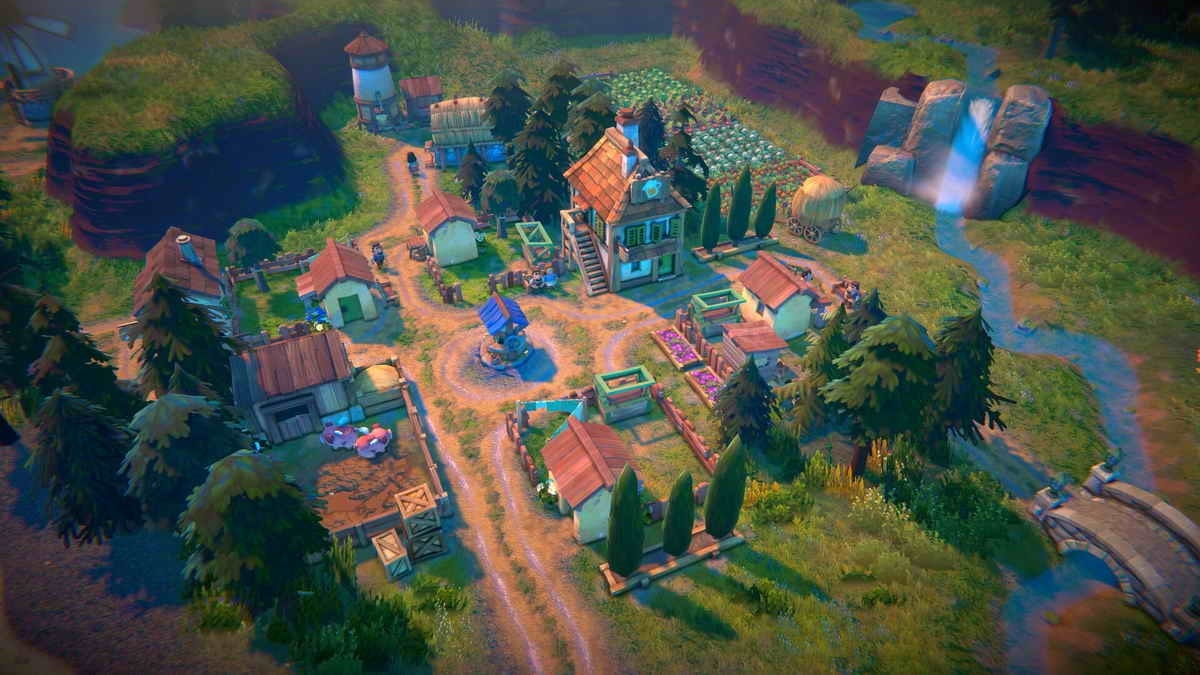
Fabledom, developed by Grenaa Games and published by Dear Villagers, is an accessible and whimsical new take on the city-building genre. Now available on PlayStation 5 following its earlier release on PC, the game offers players the chance to build and expand a fairy tale kingdom while navigating the intricacies of romance, diplomacy, and even defense. It’s a lighthearted and visually appealing addition to the city-building genre, but does Fabledom bring enough depth for those seeking a more robust experience? We checked it out.
Set in a fantasy world where magical creatures like giants, gnomes, and flying pigs coexist, Fabledom is clearly inspired by games like The Settlers and Kingdoms and Castles. Players are tasked with growing an initially small village into a sprawling kingdom, managing resources, interacting with neighboring kingdoms, and protecting their realm from potential threats like trolls. The premise is simple, revolving around the concept of building a thriving kingdom while also managing relationships – both political and romantic.
One of Fabledom’s more unique features is its romance system, which offers players the opportunity to woo and form alliances with rulers of other kingdoms. This unique twist on city-building mechanics adds a layer of charm to the gameplay, and the game does a good job of integrating these romantic elements into the overall experience. However, while this system adds a fresh perspective, its impact on the gameplay can feel somewhat superficial at times, with the relationships mostly affecting quests and specific buildings rather than truly altering the course of your kingdom’s development. It’s certainly not a gimmick, but don’t expect things to be drastically different either.
The core mechanics of Fabledom are easy to grasp, making it an approachable title for newcomers to the genre. The game’s interface and controls on the PlayStation 5 are intuitive, allowing players to manage resources, construct buildings, and expand their kingdom without feeling overwhelmed by micromanagement. That being said, the simplicity of these mechanics might leave more experienced city-building players wanting more. While the game does feature more challenging difficulty settings, its overall lack of complexity in resource management and city planning might make it feel a bit too easy for veterans of the genre.
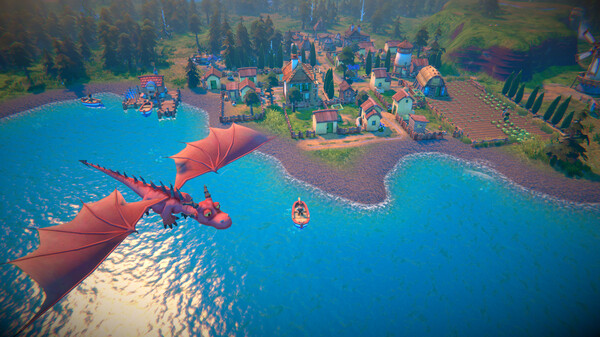
Visually, Fabledom excels with its colorful, fairy tale-inspired art style. The game’s world is full of charm, from the detailed character designs to the vibrant landscapes that even shift with the changing seasons. The cheerful and lighthearted presentation is further enhanced by a fitting soundtrack that complements the game’s lighthearted tone.

One area where Fabledom introduces some strategic elements is in its defense mechanics. Players must build an army to protect their kingdom from threats, such as troll invasions, which offers a nice contrast to the game’s otherwise peaceful vibe. While these moments of conflict add some excitement, they aren’t particularly challenging, and players looking for more than a diversion may find themselves wishing for more tactical depth in these encounters.
Diplomacy also plays a role in Fabledom, as players can form alliances or rivalries with neighboring kingdoms. The trade system allows for the exchange of rare resources, helping your kingdom grow and evolve. However, a bit like the romance system, diplomacy can feel somewhat underdeveloped, with interactions between kingdoms often lacking the nuance found in other city-building games. This is a “lite” city builder, with the pros and cons that come with that.
Fabledom’s lighter tone and accessible mechanics make it a great option for casual players or those new to the genre, and is a delightful and visually captivating city builder that brings some interesting ideas to the table with its romance and defense mechanics. However, its relative lack of depth and complexity means that it may struggle to satisfy players looking for a more robust city-building experience. For those seeking a lighthearted and accessible introduction to the genre, this is excellent.
Score: 7.6/10
 Press Play Media