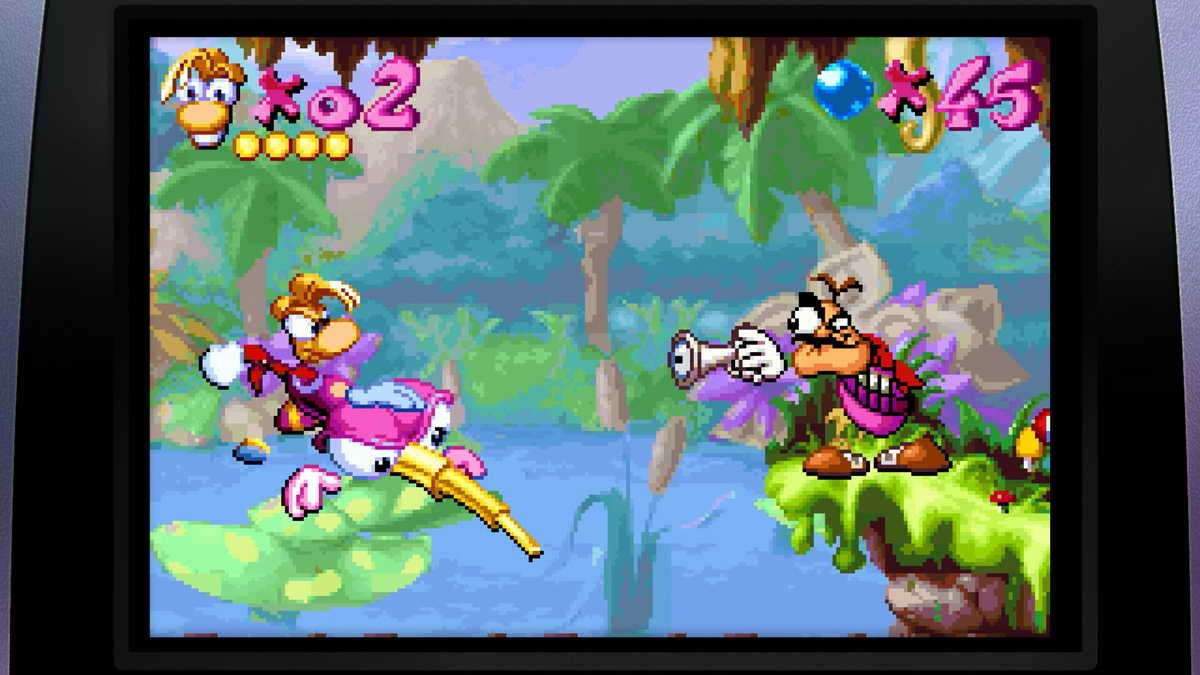
Three decades on from its original release, Rayman: 30th Anniversary Edition arrives as both celebration and concession: a tribute that lovingly preserves the roots of Ubisoft’s limbless hero, yet feels curiously content to stay rooted almost entirely in the past. Rather than celebrating Rayman from a wider perspective, Digital Eclipse’s package places the very first entry at the forefront. Available here in five different incarnations, Rayman comes with both modern conveniences and archival flourishes. It’s a pleasure to witness this cornerstone of platforming history made playable on current hardware again, but it’s equally a shame that the anniversary hinges so much on a single title, with precious little extension beyond it.
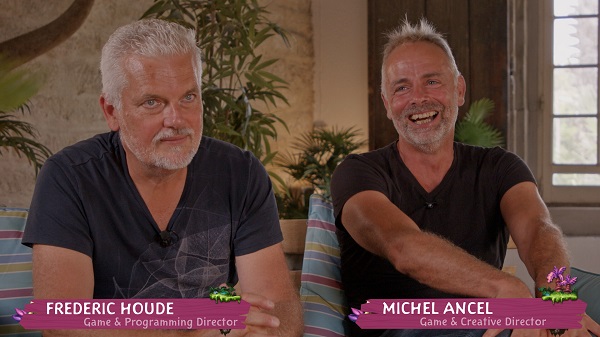
On premise and narrative, this edition doesn’t attempt to embroider the original story so much as contextualize it. The essentials remain: Rayman’s iconic punch and helicopter hair glide propel him through vibrant landscapes to free Electoons and confront Mr. Dark. What transforms the package into something greater than a mere port is the inclusion of over 50 minutes of documentary content, rare concept art, interviews, and design documents that trace the game’s genesis. For longtime fans, these museum-like elements add significant depth and emotional texture; for newcomers, they offer a rare lens on how a now-classic platformer was born.
Gameplay mechanics feel faithful and familiar – often to a fault. The original’s maze-like levels and tight platforming still delight when they click, and quality-of-life features such as rewind, save states, and optional infinite lives make repeat plays more forgiving than ever. The inclusion of expansions like New Levels and Rayman by His Fans further pads the hour count with challenging stages that reward persistence. That said, the core loop is unmistakably rooted in 1995 design: trial-and-error leaps and surprise hazards abound, and players unversed in old-school platformers may find themselves cursing the same tough patterns that defined the original.
Controls and presentation sit in an uneasy middle ground. The emulator-driven ports are serviceable, but certain versions – especially the Atari Jaguar or MS-DOS builds – carry quirks or feel less polished with contemporary inputs. There’s a rawness to the way these old control schemes translate that can be endearing in the spirit of preservation but clunky in execution when compared to how tight modern platformers (including Rayman’s most recent adventures) feel. The rewind, multiple save slots, and accessibility toggles help, but don’t entirely mask the sense that you’re often fighting legacy design.
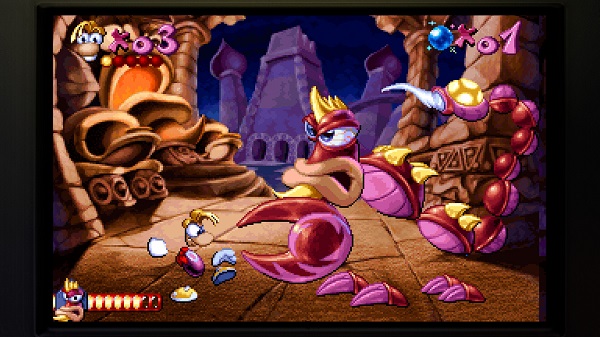
Visually, the spritework and environments hold up remarkably well, retaining the bright, imaginative style that made Rayman a standout upon its debut. The various versions – from PlayStation to Game Boy Color – offer a charming assortment of pixel art and palette shifts that together form a vivid retrospective of mid-’90s platform gaming. Audio, however, is more contentious. This edition eschews the original Rémi Gazel soundtrack in favor of a reimagined score by Christophe Héral. While not inherently bad, these new compositions sometimes feel mismatched with the environments they underscore, and the inability to switch back to the classics will be a sticking point for purists and fans.
Where the anniversary collection truly excels is in its archival ambition. The documentary and behind-the-scenes materials elevate the package from a simple collection of ports to a kind of gaming time capsule. These extras imbue the release with a sense of legacy and context that few retro reissues attempt, and for fans of Rayman’s history it is a genuine highlight. Yet this strength also underscores a core frustration: with so much goodwill and narrative richness on display, it’s disappointing that the gameplay focus remains almost entirely on a single original title, leaving out sequels that helped define the franchise at large – and we can’t imagine that Rayman 2 and Rayman 3: Hoodlum Havoc (the only 3D Rayman game) will get their own anniversary editions.
Rayman: 30th Anniversary Edition is both a lovingly curated preservation and a somewhat conservative commemoration. It presents the first Rayman in all its forms, dresses it with quality-of-life features and contextual depth, and invites both old fans and curious newcomers to revisit one of modern platforming’s earliest triumphs. However, its reliance on legacy content, the omission of the original soundtrack toggle, and the absence of broader franchise representation leave it feeling more like a time capsule than a bold celebration. As a nod to history it’s compelling; as a standalone modern release, it often feels incomplete. For those enamored of Rayman’s roots, this is an essential rediscovery – but one that raises some “what could have been” questions as well.
Score: 7.5/10
 Press Play Media