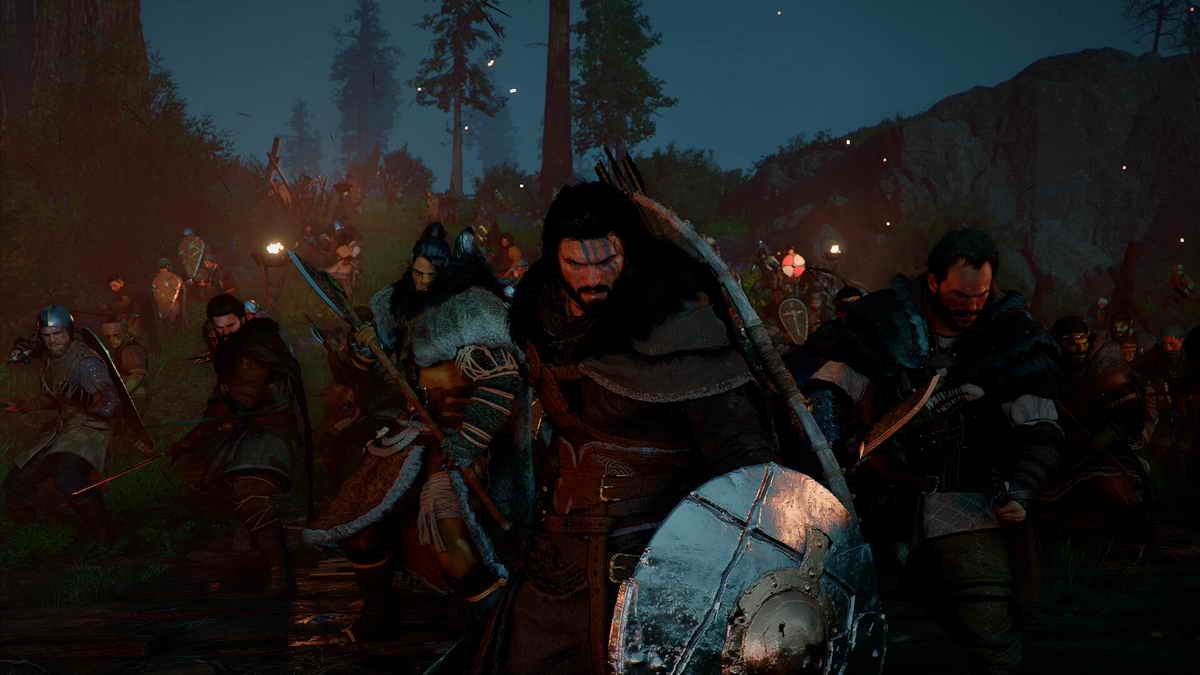
Crimson Desert positions itself as an ambitious evolution of the open-world action RPG, with Pearl Abyss pivoting away from the MMO structure of Black Desert toward a more narrative-driven, single-player experience. It’s been one of the most eye-catching games on trade show floors for the past two years, and we’d been looking forward to much more hands on time with it – something that was also needed due to the sheer scope of the game and its mechanics. Set across the sprawling continent of Pywel, the game follows Kliff, a mercenary leader trying to rebuild his fractured Greymane faction after a devastating betrayal. The setup leans into familiar revenge-and-reconstruction tropes, but gains traction through its emphasis on political instability and shifting alliances. While the narrative is often engaging in its broader strokes, it occasionally struggles with uneven pacing and character development, with certain arcs feeling underexplored despite the scale of the world and epic story.
What immediately stands out is how Crimson Desert approaches its open world. Pywel is dense, varied, and visually striking, offering a blend of natural landscapes and lived-in settlements that encourage organic exploration. Rather than relying purely on map markers, the game nudges players toward discovery through environmental cues and dynamic encounters. This results in a sense of unpredictability that distinguishes it from more formulaic open-world titles, though it can also lead to moments of friction when objectives feel under-communicated or overly dependent on player intuition.
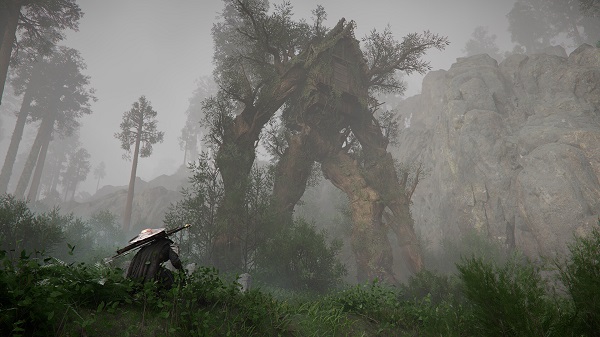
Combat is where the game asserts its identity most clearly. Crimson Desert opts for a highly physical, almost simulation-like combat system that blends weapon-based attacks with grappling, counters, and environmental interactions. Encounters feel weighty and deliberate, rewarding timing and positioning over button-mashing. The system offers significant depth, allowing players to chain attacks in creative ways, but it also introduces a steep learning curve that may alienate those expecting a more accessible action RPG framework. The lack of immediate responsiveness in certain offensive and defensives moves can occasionally frustrate, particularly in high-pressure encounters.
The introduction of multiple playable characters, including Oongka and Damiane, adds variety to both combat and exploration. Each brings distinct abilities and playstyles, which helps keep the experience fresh over time. However, their integration into the narrative is not always seamless, with some transitions feeling abrupt or lacking sufficient narrative justification or backdrop. This creates a slight disconnect between gameplay variety and story cohesion, even if the mechanical diversity itself is appreciated.
Visually, Crimson Desert is undeniably impressive, and an incredible first jump into new territory for the developer. Pearl Abyss leverages its proprietary engine to deliver detailed character models, dynamic weather systems, and richly textured environments. The world feels alive, aided by strong lighting and animation work that enhances immersion. That said, technical performance can be inconsistent, with small frame rate drops and occasional bugs slightly detracting from the overall polish. Audio design complements the visuals well, with a sweeping orchestral score and impactful sound effects, though voice acting quality varies across characters.
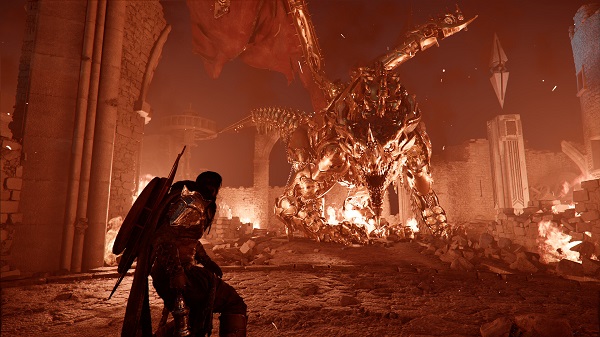
Beyond combat and exploration, the game incorporates a wide range of side activities, from resource gathering to camp management and minigames. These systems aim to flesh out daily life in Pywel and provide a sense of progression beyond combat. While they add welcome variety, not all of them feel equally meaningful, with some veering into busywork and padding territory rather than enhancing immersion – which isn’t needed because Crimson Desert is a huge game with a lengthy campaign. The camp upgrade system, in particular, shows promise but lacks the depth needed to fully capitalize on its strategic potential.
Ultimately, Crimson Desert is a bold and often impressive project that doesn’t always fully reconcile its ambition with execution. Its commitment to systemic depth, emergent exploration, and physically grounded combat sets it apart in a crowded genre, but these same elements can also make it feel demanding and, at times, unwieldy. For players willing to engage with its complexities, it offers a richly textured and memorable journey, even if it occasionally stumbles under the weight of its own design goals.
Score: 8.0/10
 Press Play Media