
Loop8: Summer of Gods, developed and published by Marvelous, presents an intriguing premise set in 1980s rural Japan. This coming-of-age RPG follows the story of Nini, a newly arrived teenager in the quaint town of Ashihara. As players explore the town, befriend its residents, and engage in turn-based battles against the mysterious Kegai, their choices and relationships shape the outcome. With the ability to reset time, Loop8 offers a unique gameplay experience that promises multiple endings and a chance to alter destiny – here’s our look at the PlayStation version of the game.
The game’s narrative and worldbuilding showcase great potential for an engaging JRPG story – and we certainly love a good time travel/loop story. However, Loop8 falls short in capitalizing on this foundation. Players may find themselves confused and disconnected from the plot and characters until several loops into the game, which could discourage some from persevering.
Loop8 deviates from the traditional JRPG formula by incorporating a time-looping mechanic. Players must navigate the town, interact with its inhabitants, and engage in side activities, all while racing against the ever-ticking clock. The gameplay introduces some initial hecticness, but eventually reveals tricks that make the experience more manageable. The ability to reset time to the beginning of August, whether voluntarily or upon death, allows for strategic decision-making and experimentation.
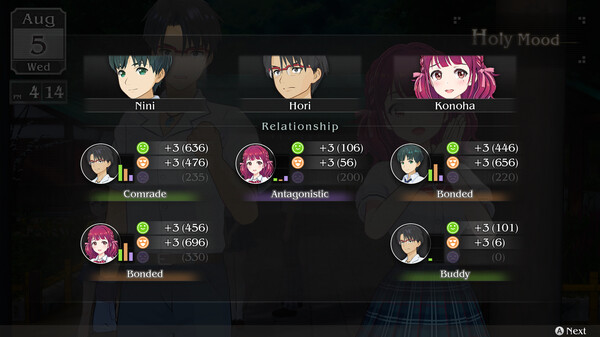
Throughout the game, relationships with characters reset with each loop, except for certain stats that can be retained through the blessings of Musasa, a recurring presence in the game. While the concept of building relationships and unlocking new events and battle options is intriguing, it can be challenging to give equal attention to all characters within a single loop. However, focusing on a select few characters and utilizing Musasa’s blessings can mitigate setbacks when looping. Nevertheless, the process of guessing which character the Kegai will possess introduces an element of uncertainty and planning.
The narrative progression suffers from repetition, with players having to re-read previously seen text during subsequent loops – a bit of a pitfall in games of this type, we realize. The lack of differentiation between new and old text can become tedious, undermining the potential for immersion and engagement. Additionally, selecting the right dialogue options to build relationships can be tricky, especially when accidentally choosing a negative option due to the autopilot nature of skipping through previously read text.
The battle system in Loop8 is complex and somewhat convoluted. While players can only control Nini, the protagonist, the actions of other party members are AI-controlled. This can lead to frustration, as allies sometimes make questionable decisions. Additionally, the connection between emotions and attacks adds another layer of strategy, where using certain emotions may inadvertently strengthen the boss. Balancing party composition and relationships becomes crucial when facing the boss Kegai in the underworld.
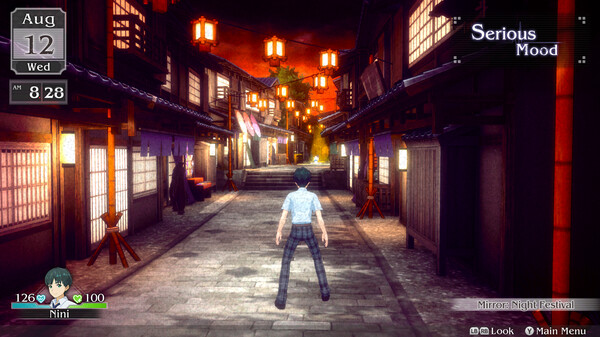
Visually, Loop8: Summer of Gods offers a picturesque view of rural Japan, with a nostalgic and beautifully recreated townscape. The colorful animations and somber mood effectively convey the small-town narrative. However, the lack of additional areas and dungeons limits the scope and immersion of the overall experience, and feel somewhat at odds with the high stakes of the world’s fate. The audio in the game is commendable though, with both the English and Japanese voice-over options providing enjoyable experiences. The voice acting adds depth to the characters and contributes to the emotional resonance of the later parts of the narrative.
In conclusion, Loop8: Summer of Gods presents an ambitious JRPG with unique elements that set it apart from traditional offerings. The game’s narrative, once unraveled, becomes emotionally engaging, and the time-looping mechanic adds strategic depth. However, the limited quality-of-life features, confusing battle system, lack of enemy variety, and repetitive nature of the time-looping mechanic hinder the game’s overall experience. Despite its shortcomings, Loop8’s commendable attempt at pushing the boundaries of the genre makes it a relatively unique experience for JRPG enthusiasts looking for something different. With some refinements and adjustments, Loop8 could have been a standout title in the genre.
Score: 6.5/10
 Press Play Media