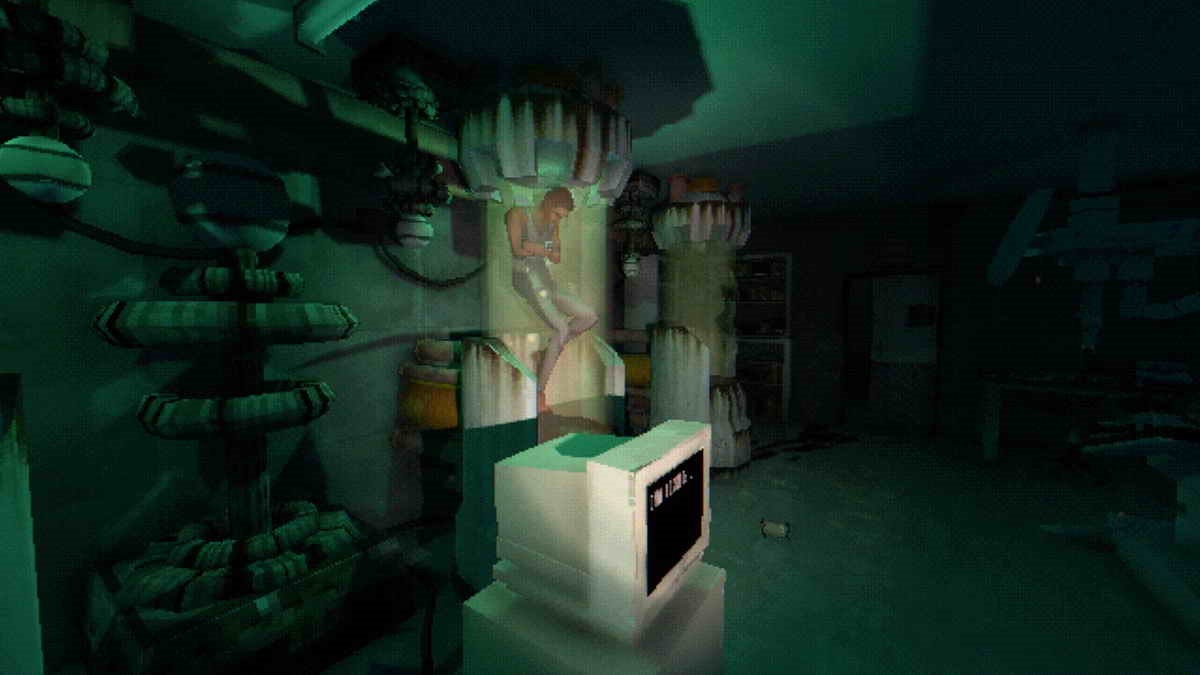
The Tartarus Key, developed by Vertical Reach and published by Armor Games Studios, is a retro-styled horror adventure game that pays homage to the iconic PS1 era. Drawing inspiration from classic horror games, this first-person puzzler captivates players with its intriguing premise, brain-teasing puzzles, and atmospheric presentation. While it may not induce too much fear, the game’s suspense, witty writing, and clever gameplay mechanics make it an enjoyable and compelling experience. Let’s delve into the positives and negatives of The Tartarus Key while exploring its narrative, gameplay, visuals, and audio as we check out the PlayStation 4 version.
The game places players in the shoes of Alex Young, who mysteriously wakes up in a lavish mansion filled with enigmatic puzzles and traps. The overarching goal is to escape while helping fellow captives find their freedom. The story unfolds through conversations with other characters you come across, revealing the secrets behind the mansion and the identities of the captors. The writing is commendable, striking a balance between providing enough details to keep players invested and maintaining a sense of mystery. While not strictly a horror game, The Tartarus Key’s narrative successfully builds suspense and intrigue, motivating players to uncover the truth behind their predicament.
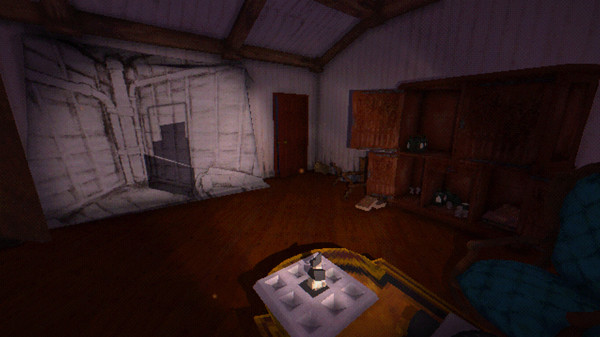
The Tartarus Key excels in its gameplay mechanics, presenting players with a variety of thought-provoking puzzles reminiscent of escape-the-room games. From deciphering codes based on star constellations to manipulating objects in a room to progress, the puzzles are cleverly designed and offer a range of difficulty. The game impressively avoids repetition by ensuring each puzzle and scenario is unique, maintaining a sense of freshness throughout. A standout feature is the concentration of puzzle solutions within their respective rooms, providing a focused and streamlined experience akin to an escape room. However, a few puzzles may prove overly convoluted, requiring outside assistance like an online guide to progress. Despite this, The Tartarus Key’s gameplay mechanics are engaging and satisfying, offering a rewarding puzzle-solving experience.
The Tartarus Key embraces the PS1 aesthetic, featuring low-poly graphics that effectively capture the era’s atmosphere. The visuals create an intriguing sense of ambiguity, blurring images and adding to the game’s overall tension. But while the static objects benefit from this aesthetic choice, moving objects lose some of their impact as they’re just plain hard to properly see in this age of crisp 4K visuals. Nonetheless, the game successfully evokes an emotional response through its visuals, delivering an immersive experience. The character models, in particular, are a highlight, accurately capturing the charm of the PS1 generation. Complementing the visuals is the atmospheric and suspenseful music composed by Josie Brechner. The sound design, combined with the game’s visuals, enhances the overall immersion and contributes to the game’s sometimes tense atmosphere.
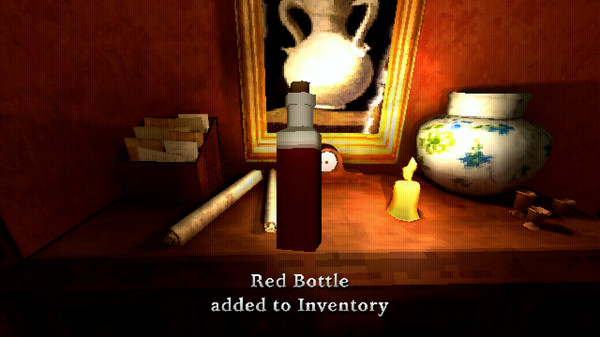
This definitely isn’t the scariest game out there, but The Tartarus Key will appeal to those who appreciate unconventional puzzles from a time gone by, with a visual style that’s reminiscent of classic horror games.
Score: 7.0/10
 Press Play Media