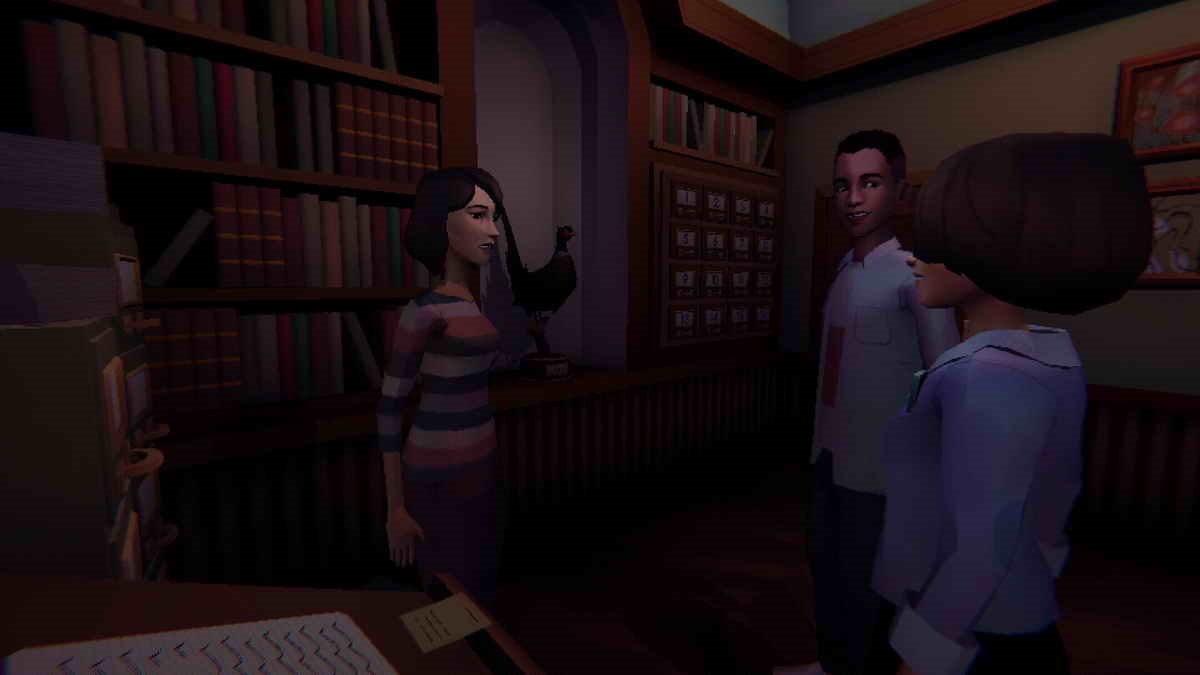
Homebody, developed by Game Grumps and published by Rogue Games, combines complex puzzles with survival horror elements to create an engaging and intriguing gaming experience. Inspired by classic horror games and 80s slasher films, Homebody sets the stage for a nostalgic yet modern journey into a deeply strange and emotional narrative. In this review, we’ll delve into the narrative, gameplay mechanics, controls and audiovisual presentation of Homebody.
Homebody follows the introverted Emily as she reunites with old friends at a secluded house to witness a meteor shower. However, what starts as a potentially pleasant evening quickly turns sinister as a mysterious killer emerges, leaving Emily trapped in a time loop of her friends’ deaths. The game focuses on Emily’s struggle with agoraphobia and her desperate attempts to escape the nightmare. The narrative gradually unveils Emily’s isolation and delves into her anxiety disorder, making for a compelling and surprisingly thought-provoking experience.
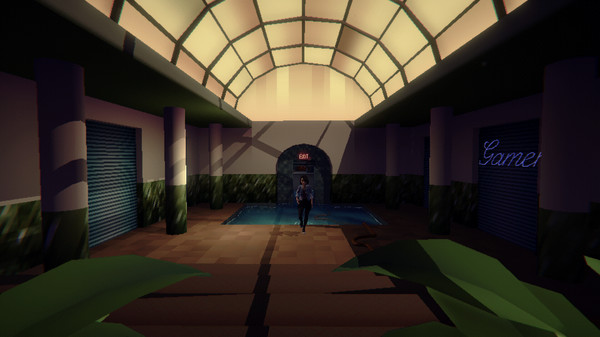
Homebody excels in its puzzle mechanics, offering a variety of challenging puzzles that range from Minesweeper-like tasks to complex interlinking objects. Exploring the house and uncovering connections among different elements play a crucial role in progressing through the game, showcasing a good variety of puzzle mechanics. While many clues are fairly obvious, some require additional effort to solve. Fortunately, the game provides hints through Emily’s friends and her own subconscious, striking a good balance for both avid puzzle-solvers and novices to the genre.
The time loop mechanic adds a sense of urgency and stress to the gameplay, reflecting Emily’s own anxiety. However, it may become repetitive for some players, particularly when stuck on a particular puzzle. Additionally, the presence of a responsive AI killer loses its initial terror and becomes more predictable over time, detracting from the horror elements – thus emphasizing the puzzles too much for those looking for a horror experience. Of the retro kind, we should add, as the game relies on fixed camera angles.
Homebody adopts a retro-inspired graphical style reminiscent of early PlayStation games. The intentionally aged graphics maintain a polished feel while effectively creating a creepy atmosphere without overwhelming the player. The use of pixelated graphics combined with unpolished 3D models lends the characters a unique visual appeal. While lacking a modern kind realism that players might be used to, the game successfully portrays relatable characters – especially the protagonist.
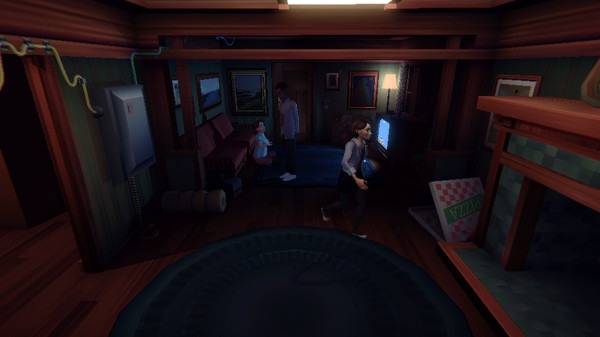
Despite occasional clunky animations and the absence of voice acting, the sound design in Homebody shines. The game incorporates a variety of unnerving sound effects and ambient sounds, effectively building tension and keeping players on edge. However, the repeated chiming of the clock every hour may become tiresome due to its frequent occurrence – thus losing its initial impact over time.
Homebody presents a nice blend of survival horror and complex puzzles set against a backdrop of psychological themes. While the time loop mechanic may lead to repetitive moments, the engaging narrative and intricate puzzles make up for any shortcomings. The game’s retro graphics, combined with a well-executed sound design, contribute to the overall nostalgic yet polished experience. Homebody’s exploration of anxiety disorders and isolation provides a thought-provoking backdrop, which left us eager to see Emily’s story unfold and lifted this above the standard “retro horror” fare out there.
Score: 7.3/10
 Press Play Media