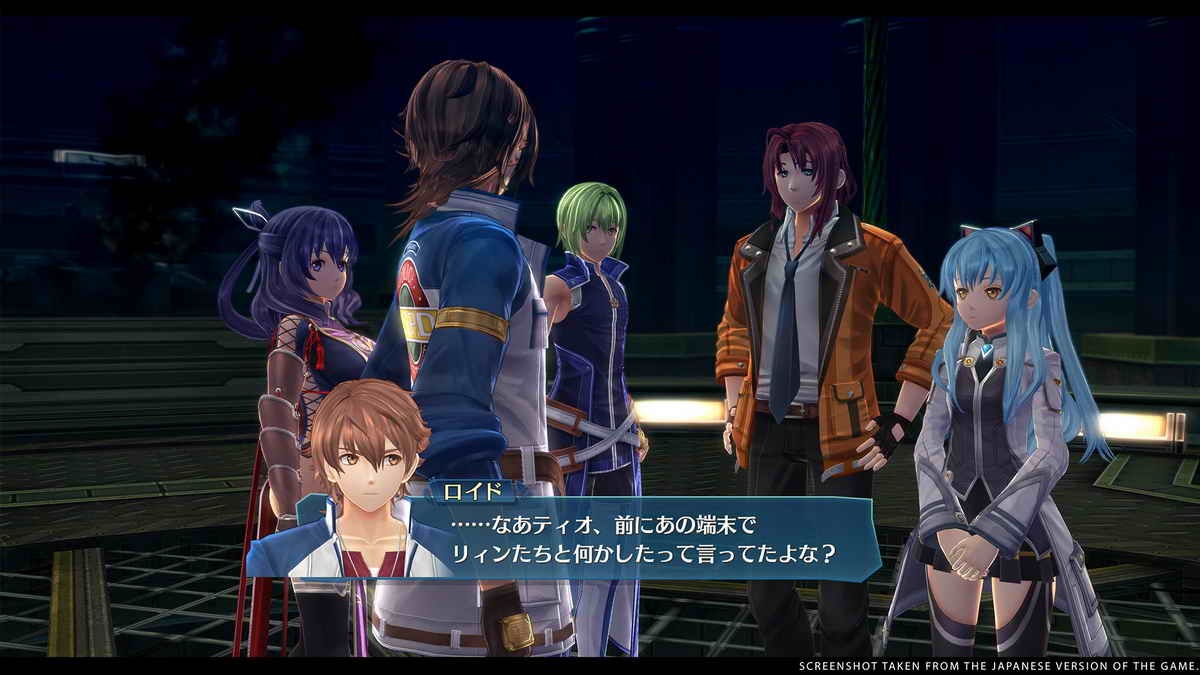
The Legend of Heroes: Trails into Reverie, developed by Nihon Falcom and published by NIS America, serves as a satisfying conclusion to the Trails series, combining elements from previous installments and tying up some unresolved plot points for longtime fans of the series. While the game’s deep world-building can feel convoluted at times – especially to newcomers – it offers a compelling narrative and showcases the series’ evolution when it comes to how it implements combat.
The game features three interconnected story arcs, allowing players to switch between three protagonists: Rean Schwarzer, Lloyd Bannings, and the mysterious “C”. Each route offers a linear experience, taking players through familiar locations while introducing new threats and challenges. The “Trails to Walk” system effectively keeps the story moving and highlights the connections between the different story threads, which is useful when you consider how deep and developed the world building and lore are at this point.
Trails into Reverie excels in character development, although most of the major characters have already undergone extensive growth in previous games. The new character, “C,” along with the supporting characters, brings a fresh perspective and levity to the story. Seeing the interactions between all the major characters from the series is a pleasure, showcasing their bonds and personal growth over the course of various games.
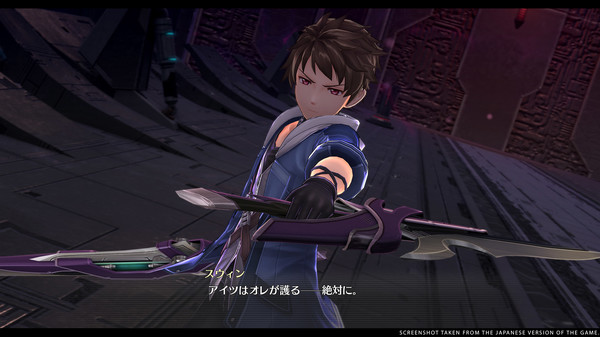
The game’s presentation is impressive, with detailed environments and character models. The writing is once again excellent as well, but the game can fall a little short in conveying action during dynamic cutscenes, leaving some gaps for players to fill in and offering a less polished experience than what you get in a typical Final Fantasy release.
The music, composed by the acclaimed team at Falcom, is yet again a standout element, with sweeping tracks that support the emotional highs and lows of the story. The soundtrack features a range of themes and motifs, adding depth and immersion to the game, and the voice acting is of a high quality, bringing the characters to life.
In terms of gameplay, Trails into Reverie offers refined turn-based combat, building upon the system established in previous games. The addition of the United Front system enhances combat options, allowing players to unleash powerful attacks and heals. The excellent cross UI system from Trails of Cold Steel III provides quick access to combat options again, enabling both swift execution and tactical planning.
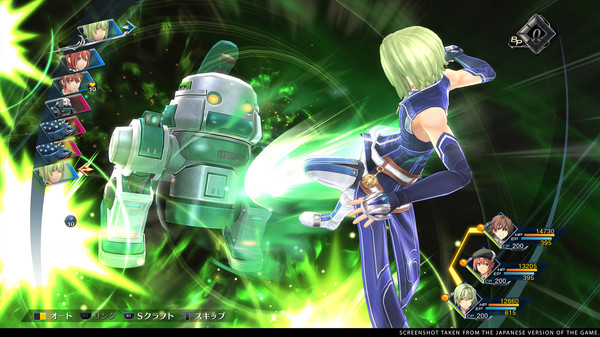
But while the combat system remains strong, some bosses can be frustratingly challenging compared to standard foes. The game offers adjustable difficulty settings and the option to retry fights with weakened enemies to help with these difficulty spikes, but it does take you out of the story flow for a moment.
Trails into Reverie incorporates additional content in the Reverie Corridor, a repeatable optional side dungeon. This realm features mini-games, side story episodes, and quests, offering rewards such as combat upgrades and new equipment. It’s additional content that’s great for adding a few more hours of gameplay time to the game, but it’s also somewhat separate from the rest of the game in terms of a narrative connection.
With its expansive cast and interconnected storytelling, Trails into Reverie is a game primarily tailored for existing fans of the series. It successfully celebrates the series’ past adventures and narrative highs through its story and combat mechanics. The writing and the interactions between the main characters lift it up, and the impactful finale is the icing on the cake.
In conclusion, The Legend of Heroes: Trails into Reverie stands as a fantastic finale to the Trails series, delivering a politically engaging story, strategic turn-based combat, and impressive world-building. It is a must-play for fans of the series and is destined to be one this year’s top RPGs.
Score: 8.5/10
 Press Play Media