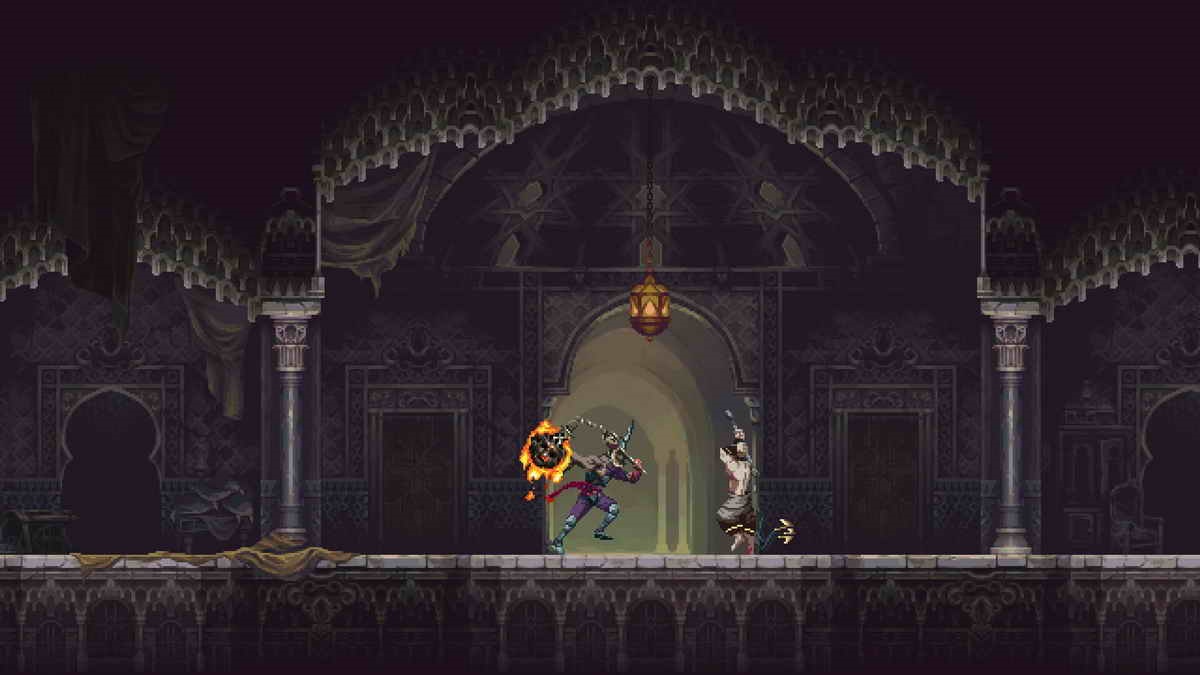
We’re stepping into the eerie world of Blasphemous 2, a continuation of The Penitent One’s journey that picks up after the events of the free Wounds of Eventide DLC from the original game. Transplanted into a new and perilous land, The Penitent One’s quest involves unveiling forgotten secrets woven into a realm rich with religious iconography and themes of sacrifice, penance, and purification. An intricate new narrative adds depth to the unsettling atmosphere and drives players forward – as it did for us during our time with the game on a PlayStation 5.
Defying conventional genre classifications, Blasphemous 2 expertly combines the essence of Soulslike and Metroidvania elements. The excellent level design introduces intricate puzzles and timed platforming challenges, elevating the experience with expert pacing. The game’s distinct approach to weaponry stands out as well, allowing players to choose from a variety of weapons, each offering unique traversal abilities that emphasize exploration and strategic combat. This departure from the original’s single weapon dynamic enriches the diversity and depth of player choices.
Navigating the challenging world of Blasphemous 2 requires precise controls, which for the most part, are intuitive. However, the initial hours can be demanding as players adjust to the protagonist’s inherent weaknesses. The learning curve hinges on mastering enemy patterns and optimizing weapon strengths, which might take a while as this is a challenging title. While minor issues like some awkward animations persist at launch, the controls effectively cater to the gameplay’s demands for accuracy and timing.
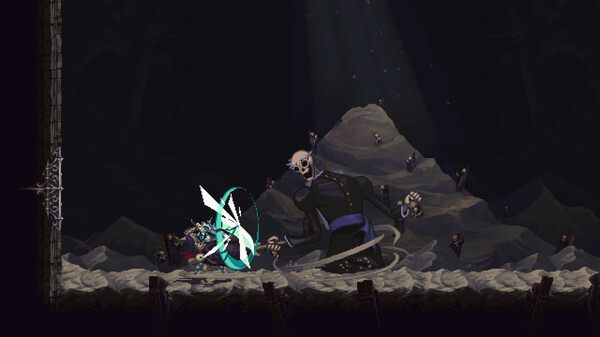
A highlight of Blasphemous 2 is its meticulous visual design, meticulously crafting a grim and gothic world that immerses players in its unsettling ambiance. The intricate character designs and environments are steeped in religious iconography this time around, contributing to the eerie atmosphere. The bosses and enemies are fear-inducing, amplifying the tension of each encounter. The audio, particularly the evocative background music by Carlos Viola, enriches the experience, heightening the emotional impact of key moments.
Blasphemous 2 leans into the demanding nature of the Soulslike genre, presenting players with challenging combat and perilous platforming. It’s not an easy game to get into, and it’s important to note that the difficulty curve might not cater to all types of players. The game rewards skillful timing, pattern recognition, and strategic decision-making. While the bosses are hauntingly terrifying and tough, the sequel’s combat systems grant players more tools to tackle these encounters, enhancing the sense of progression and achievement once you get past them.
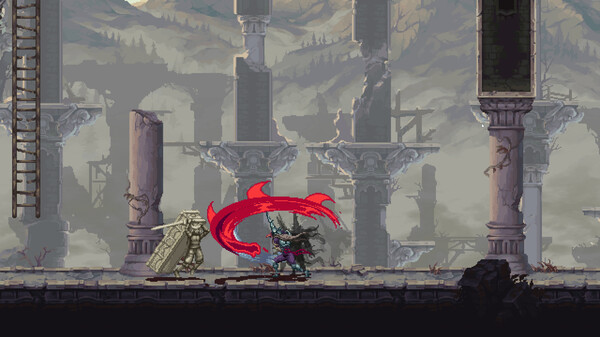
The game’s commitment to exploration and progression can be seen through Blasphemous 2’s intricate level design. With a range of weapons and abilities, players can unlock new pathways, secret areas, and shortcuts, adding layers of depth to Cvstodia’s world. The interconnectedness of locations encourages revisiting areas to uncover hidden secrets and uncover new challenges, as backtracking never feels like too much of a chore. This open-ended approach complements the non-linear storytelling as well, enhancing the sense of immersion and discovery.
In conclusion, Blasphemous 2 offers a hauntingly immersive experience, where the fusion of Soulslike and Metroidvania mechanics rewards players with another demanding yet satisfying journey through a realm haunted by religious terror. While the initial steep difficulty curve and sporadic gameplay frustrations that come with that might discourage some players, the refined mechanics, intricate level design, and striking visuals showcase a sequel that builds upon its predecessor’s foundation. For those who embrace challenging gameplay and atmospheric storytelling, Blasphemous 2 entices with its eerie allure, inviting players to unravel the mysteries concealed within the shadows of Cvstodia one challenging battle at a time.
Score: 8.5/10
 Press Play Media