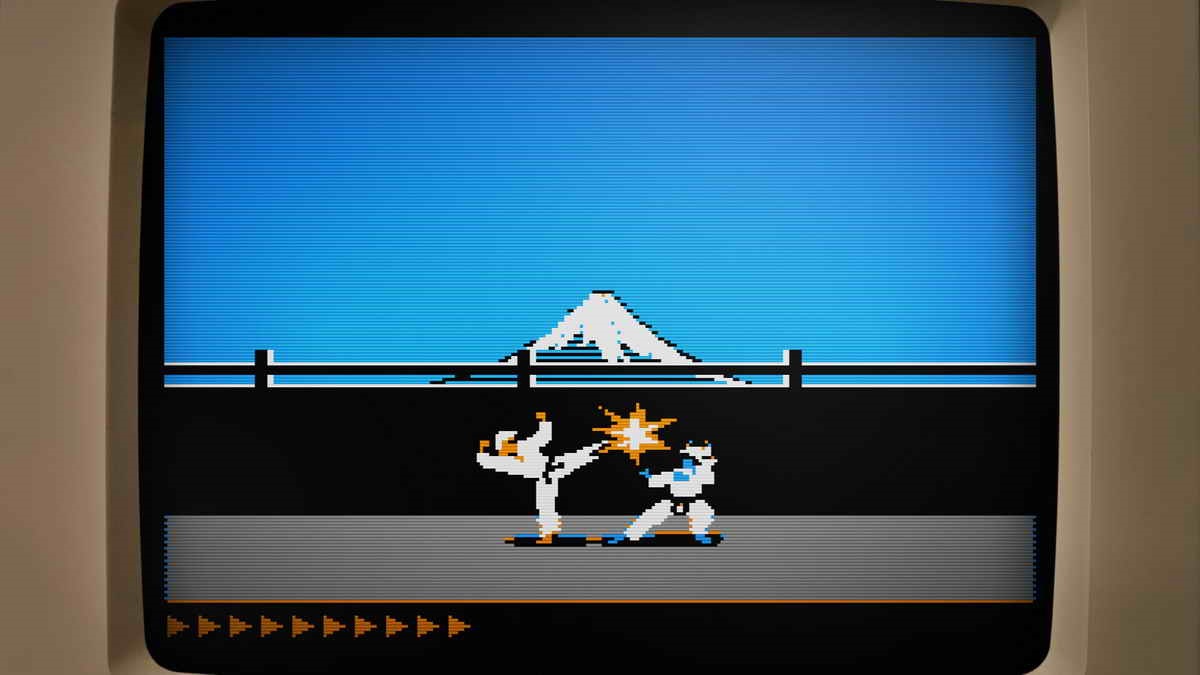
In the ever-expanding world of video game compilations, Digital Eclipse has been setting a high standard. Rather than merely bundling classic games and emulating them for modern systems, they tend to elevate their releases by enriching them with a wealth of features and supplementary materials. The Atari 50 release to celebrate the anniversary of the gaming giant was a captivating journey through the history of Atari, replete with interactive timelines, video interviews, high-quality imagery, and an astounding collection of 103 Atari games. They’re now using a similar structure in a new “Gold Master Series”, starting with “The Making of Karateka”, which focuses around the first published game by Jordan Mechner, known to many as the creator of Prince of Persia.
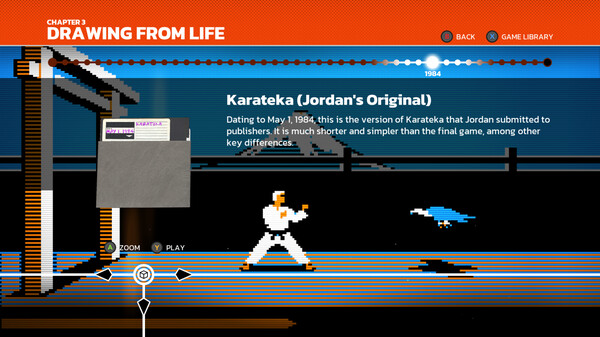
In this release, you receive a meticulously crafted timeline narrative that unfolds over the course of five chapters, each exploring pivotal moments in the development of Karateka. These chapters delve into Mechner’s early game development attempts, the planning stages of Karateka, the groundbreaking rotoscoping animation technique he employed, the game’s global marketing, and even the unreleased sequel, Karateka II.
The “interactive museum” concept that we’ve seen in other retro compilations returns in “The Making of Karateka.” Mechner’s kept an extensive archive, including family photos, design documents, journal entries, and letters exchanged with his publisher, and all of that is on display. Complementing this treasure trove are approximately 15 videos featuring interviews with important names from the gaming industry, shedding light on the era when Mechner first embarked on his game development journey and the legacy that Karateka carved out.
The highlight of the package for those looking to uncover unknown knowledge about gaming history is a captivating sequence that retraces Mechner’s steps in creating his unpublished game, Deathbounce. Remarkably, Mechner retained prototype disks of Deathbounce, allowing players not only to witness but also experience the evolution of the game. You’ll trace Mechner’s correspondence with publisher Broderbund, adapting the game based on feedback, and feel the determination of an 18-year-old developer trying to perfect his creation. The segment concludes with “Deathbounce: Rebounded,” a modern-day take on the game developed by Digital Eclipse with Mechner’s input, providing a heartwarming sense of closure to his long-unfinished project.
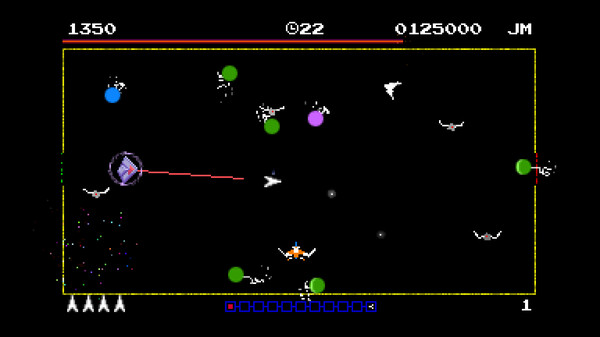
While there are technically 14 pieces of software to explore in this compilation, it’s important to understand that these are deep dives into a select few titles or sometimes even just fragments of a game. Four prototypes of Deathbounce, early Apple II games like Asteroid Blaster and Star Blaster, and, of course, various versions of Karateka and its remastered edition are part of this collection. However, the focus here isn’t just on quantity and the games themselves, but on preserving the history and creative process behind these games.
As with any creation, “The Making of Karateka” isn’t without its imperfections. It inherently lacks the amazing degree of diversity of titles found in Atari 50’s massive lineup, and some of Mechner’s handwritten design documents can be a challenge to read. Additionally, Karateka itself, being nearly 40 years old, may not resonate with everyone’s modern gaming sensibilities unless you at some point played the original. However, by the time players reach the titular game in the timeline, they are likely already immersed in the story behind it, which will makes them much more forgiving towards the somewhat dated nature of the game itself.
At the end of the day, “The Making of Karateka” serves as a beautifully crafted historical lesson in gaming. If you’re not into that side of gaming then it’ll feel relatively expensive, but it’s a well-rounded package for those intrigued by the pre-Prince of Persia works of Jordan Mechner. The documentary section shines with its depth, while the games, though showing their age, have been thoughtfully restored and are presented with great care. Despite a few shortcomings, this release is a shining example in the realm of interactive documentaries and a must-play for those who appreciate the medium’s rich history.
Score: 8.0/10
 Press Play Media