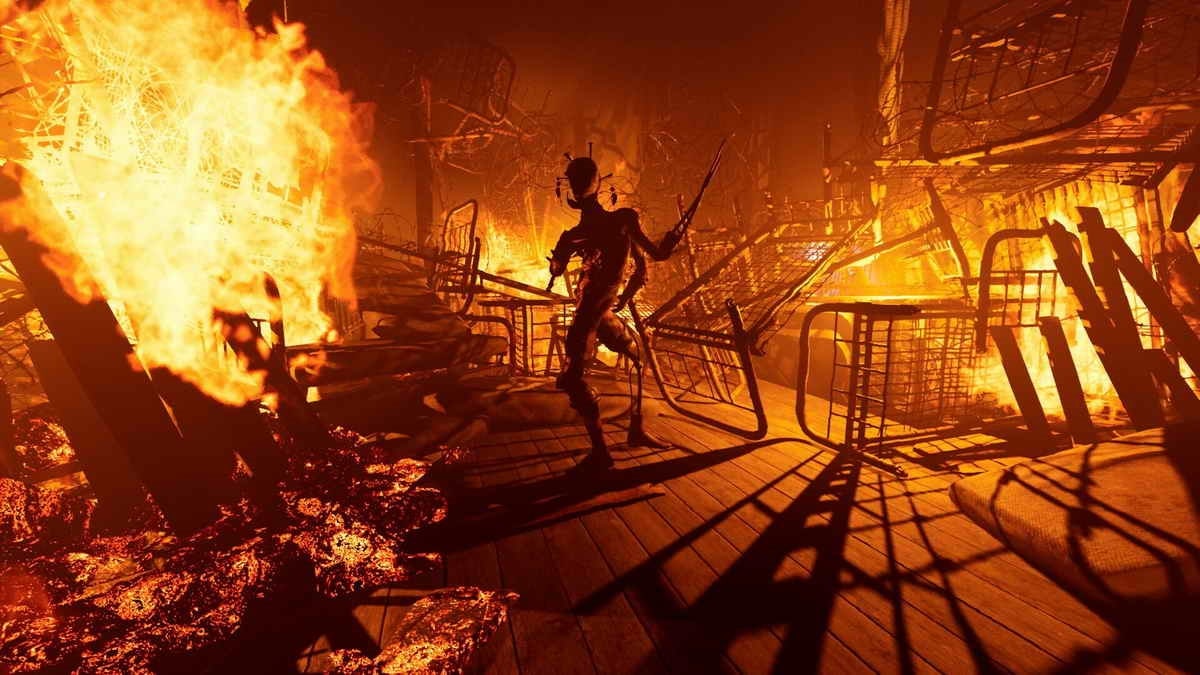
Ad Infinitum, developed by Hekate and published by Nacon, takes players on a chilling journey through the aftermath of World War I. Stepping into the shoes of Paul Von Schmitt, a German soldier haunted by the terrors of the Great War, the game brilliantly juxtaposes the brutality of the battlefield with the haunting remnants of a family home. This duality offers a poignant exploration of how the war tore families apart, providing players with a somber and introspective narrative. We checked out the PlayStation 5 version.
The Von Schmitt family home serves as a powerful backdrop for the unfolding story. It’s a place filled with secrets, memories, and echoes of the past. The house scenes delve deep into Paul’s and his brother Johannes’ history, revealing how the war’s impact reverberates through their family. The battlefield sequences, on the other hand, present twisted manifestations of despair, infested with vile and terrifying creatures. Here, the gameplay leans into survival horror elements, emphasizing stealth and puzzle-solving.
While the gameplay mechanics may not revolutionize the genre, they are executed and mixed together well. The enemies, although not groundbreaking in their behavior, are creatively designed, each embodying a facet of Paul’s mental anguish. Particularly noteworthy are the Mayhem, grotesque amalgamations of human cadavers and prostheses, which serve as a haunting symbol of wartime trauma.
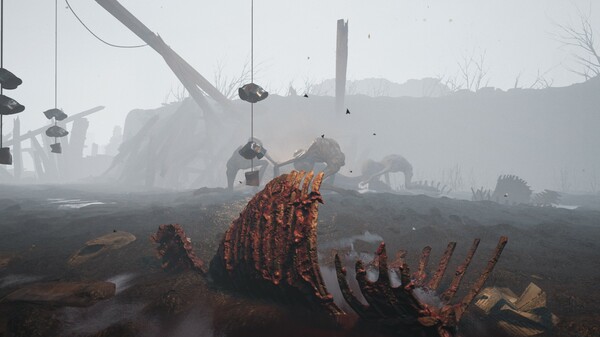
Boss fights, while visually impressive, falter a little in terms of gameplay engagement. The encounters tend to be formulaic, focusing on interacting with objects in a small arena. The game teases that these encounters impact the story’s outcome, but the choices often boil down to a binary decision between killing or redeeming the boss.
Navigating the narrative between the family home and the battlefield is handled adeptly, ensuring clarity in the storyline progression. However, an overreliance on readable journals and notes for storytelling could have been balanced with more on-screen character interactions. This is somewhat mitigated by the inclusion of voiceovers for crucial lore pieces, breathing life into the characters, but they could have gone further to immerse players into this otherwise well-told tale.
Visually, Ad Infinitum creates a hauntingly immersive atmosphere, though occasional darkness and muddiness may hinder visibility even though it seems to fit the backdrop. The sound design adds a layer of depth to the experience, enhancing the eerie ambiance. Unfortunately, there were a few instances of audiovisual bugs during our playthrough, which momentarily disrupted the immersion – especially through awkward animations.

Puzzles play a significant role in the game, but their execution occasionally disrupts the pacing a little bit as some puzzles feel more like out of place padding than meaningful contributions to the narrative. Streamlining these puzzles and a few other gameplay segments would have resulted in a tighter, more impactful experience.
Despite these minor setbacks, Ad Infinitum shines in its ability to explore the psychological and generational impact of war. It navigates the delicate subject matter with sensitivity, blending historical context with elements of psychological horror. By intertwining the horrors of the battlefield with the haunting legacy of the Von Schmitt family, the game weaves a narrative that resonates and drags the player in.
In conclusion, Ad Infinitum stands as a thought-provoking and atmospheric horror experience. Its strengths lie in its narrative depth, clever puzzles, and an impressive representation of the psychological toll of war. While there may be a few stumbling blocks in gameplay execution, its ability to convey a powerful message makes it a title worth noticing within the horror genre. For those seeking a narrative-driven horror experience with a unique historical backdrop, Ad Infinitum is a game well worth exploring.
Score: 7.4/10
 Press Play Media