
Afterdream, the latest creation from developer Jesse Makkonen and published by Feardemic and Gamera Games, invites players to delve into the depths of a lucid dream, blurring the boundaries between reality and imagination. Set in a surreal world, this 2D psychological horror adventure explores themes of mortality and fragmented memories, delivering an experience that’s both thought-provoking and visually captivating.
In Afterdream, players assume the role of a protagonist recounting a bunch of very vivid dreams, trapped in a place that blurs the line between the real and the unreal. The narrative weaves a captivating tale, combining elements of psychological tension with moments of dark humor. The story’s strength lies in its ability to keep players engaged, constantly questioning the nature of the dream world and the protagonist’s place within it – which is a testament to the quality of the writing.
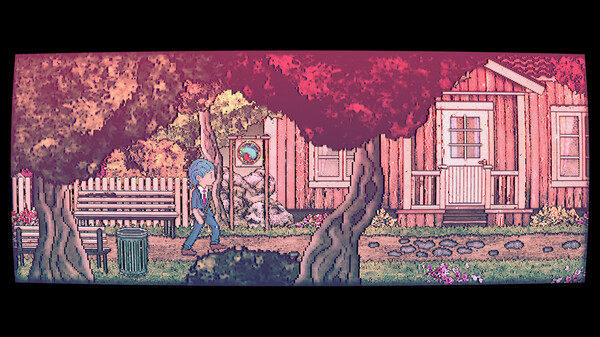
The gameplay of Afterdream strikes a balance between exploration and puzzle-solving. As players traverse through closed environments, they must keenly observe and interact with objects to progress. The absence of a traditional inventory system in favor of a context-sensitive item selection adds a streamlined touch to the experience, taking out the guesswork found in older games. The inclusion of puzzles, though not overly challenging, provides a satisfying mental workout and complements the game’s pacing effectively.
Afterdream features a camera mechanic that introduces a unique dimension to the gameplay, enabling players to unveil hidden elements within the dream world – which you’ll sometimes need to do in order to progress through the story. Switching between worlds this way lets you manipulate the environment in interesting ways, adding supernatural depth to the puzzle-solving aspect.
The game features an intuitive control scheme, allowing players to easily navigate the dream world. The absence of a dedicated run function can make things feel a bit slow-paced during times where you need to backtrack a little though, which can be a minor source of frustration. However, the simplicity of the controls otherwise ensures a smooth and immersive experience and never gets in the way.
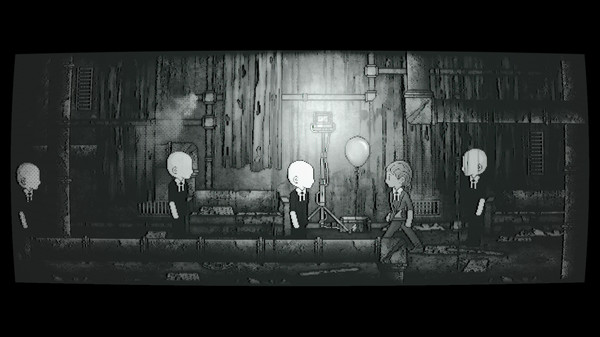
Visually, Afterdream is a fantastic example of pixel art visuals. The handcrafted level design and the user interface showcase a level of craftsmanship that enhances the overall experience. The deliberate use of colors, combined with subtle noise filters, creates a haunting atmosphere, while the soundtrack further amplifies the sense of dread, punctuating key moments with an unsettling ambiance. The intentional use of black bars aids in maintaining focus, offering a wider perspective of each room. Jesse Makkonen’s experience, building games like Distraint, really shows off here.
As such, Afterdream stands as the developer’s best work to date, delivering a haunting narrative that delves into the themes like dreams and mortality. With its striking pixel visuals, engaging gameplay mechanics, and thought-provoking storytelling, Afterdream is a must-play for fans of psychological horror. While there are minor issues with puzzles that could have been more inspired or challenging, they do little to diminish the overall impact of this immersive journey through the subconscious.
Score: 8.0/10
 Press Play Media