
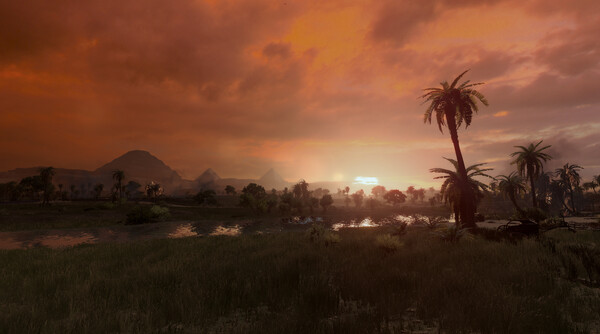
As the latest game in a long-running series, Total War: Pharaoh transports players to the vibrant and turbulent world of ancient Egypt, a part of history that’s full of wonder and grand achievements. The game offers a visually stunning and historically rich environment that brings this to life, and with that Creative Assembly has managed to infuse a fresh angle into the traditional Total War experience, even for seasoned players with over two decades of franchise history. The game excels in immersing players in the intricacies of ancient Egypt, from the bustling cities along the Nile to the harsh desert landscapes, all of which has been beautifully rendered.
The game’s depiction of Egypt, with its winding Nile River and challenging desert terrain, deeply influences the strategic decisions you’ll be making. Sailing along the Nile serves as a super highway, but also poses risks from invaders looking to take you down. Navigating open deserts, on the other hand, requires careful planning to avoid attrition. This dramatic change in landscapes adds a layer of tactical depth to battles, keeping players engaged in the grand campaign.
One standout feature is the in-depth empire management mechanics, particularly the introduction of outposts. These smaller sub-buildings offer a range of strategic advantages, allowing for more flexible defensive and offensive strategies. The Campaign Customization feature further empowers players to tailor their experience, shaping the odds and adding a unique challenge while also offering different ways to play on subsequent playthroughs.
Total War: Pharaoh introduces new resource management dynamics, with food, wood, stone, bronze, and gold playing crucial roles. Each region specializes in producing one of these resources, requiring players to make strategic decisions about resource allocation and trading. This adds a new layer of complexity to empire management, enhancing gameplay outside of battles.
The addition of deities, Royal Court politics, and the Power of the Crown system breathe fresh life into the campaign. Praying to gods, influencing court members, and navigating civil wars add depth and intrigue to the political landscape. These features provide players with more agency in shaping the destiny of their empire, though those looking for a more battle-oriented Total War experience might feel it strays a bit far from its roots. For those looking for an additional layer of depth outside of combat, this is a great move.
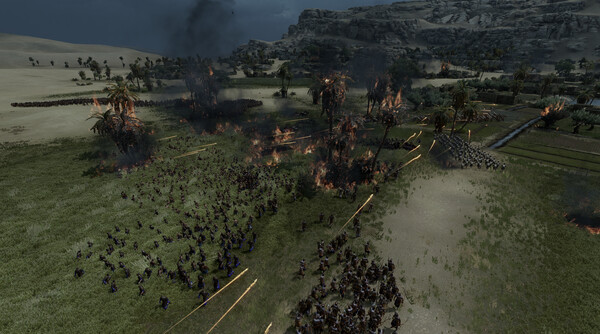
There are some minor technical and gameplay drawbacks as well. The game has a few bugs at launch, like occasional issues with item equipping and window focus. Battles can also sometimes devolve into melee standoffs, which is a bit of a recurring issue in the franchise. Additionally, troop diversity is somewhat limited here, although this reflects a good degree of historical accuracy you shouldn’t expect the versatility of titles like Total War: Warhammer III.
Overall, Total War: Pharaoh successfully revitalizes the franchise with its bold new direction and comprehensive set of features, especially away from the battlefield. The game’s focus on ancient Egypt, coupled with the introduction of a few exciting gameplay mechanics, makes for an engaging and immersive experience. While battles may not reach the heights of some other titles in terms of scope and focus, the complexity of the campaign and the richly detailed setting more than compensate for that. Total War: Pharaoh stands as a testament to Creative Assembly’s commitment to delivering compelling strategy games, and Egypt is a great setting for one of them.
Score: 8.0/10
 Press Play Media