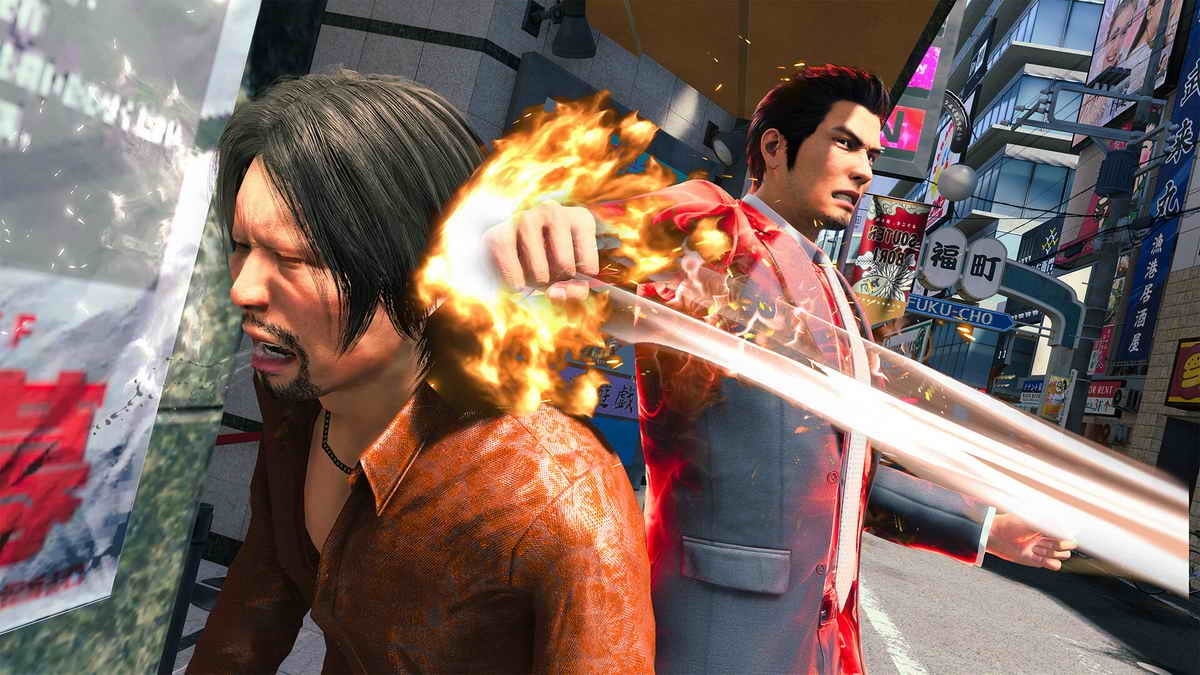
In Like a Dragon Gaiden: The Man Who Erased His Name, SEGA and Ryu Ga Gotoku Studio deliver a poignant conclusion to Kazuma Kiryu’s saga, skillfully intertwining the closing chapter of his narrative with the dawn of a new era for the Yakuza world. From a narrative perspective, the game manages to achieve just as much or even more in its relatively short 10-15 hour playtime than some of its much longer predecessors. This condensed adventure benefits from a tightly packed narrative, skillfully bridging the gap between Kiryu’s intricate backstory and Ichiban’s unfolding journey, making it a great choice for those who are loyal followers of the series. Here’s our take on the latest game in this long-running series.
The story in Like A Dragon Gaiden revolves around Kiryu, now operating under the codename “Joryu” after faking his own death. Despite his attempts to leave his yakuza past behind, a mysterious figure forces him back into the criminal underworld. Like a Dragon Gaiden skillfully weaves a gripping action narrative with excellent pacing, immersing players in vibrant locations filled with exciting characters and activities. The narrative maintains its intensity throughout the adventure, which is where the shorter playtime proves to be an asset, preventing the game from overstaying its welcome.
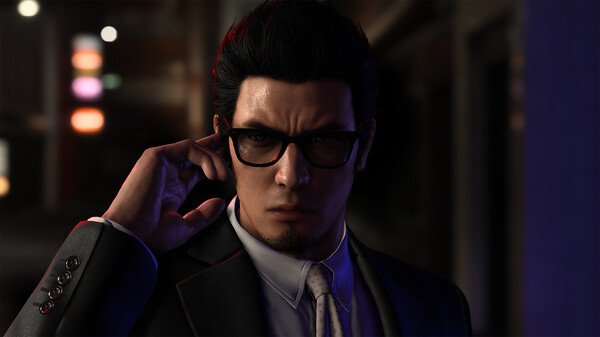
One standout feature is the introduction of the Agent battle style, providing Kiryu with a diverse set of spy gadgets. The Agent style, featuring Bond-like gadgets like the Spider tool and rocket shoes, injects a refreshing and entertaining element into the combat system. The interplay between the traditional Yakuza style and the high-tech Agent style adds strategic depth, allowing players to dynamically switch between them during visceral melee combat. Upgrades also come quickly, ensuring a fast-paced progression that keeps things interesting.
The narrative itself is a testament to Ryu Ga Gotoku Studio’s storytelling prowess. Like a Dragon Gaiden refines the Yakuza series’ tendency for sprawling narratives in a much shorter format, offering a more focused, jam-packed story with callbacks and nuanced drama. Kiryu’s journey as Joryu, working for the Daidoji and entangled in a plot to dissolve the Omi and Tojo clans, explores themes of redemption and facing the ghosts of the past. Familiarity with the wider universe that this game takes place in helps though, and it’s what allows the developer to be more focused here.

Like a Dragon Gaiden excels not only in its main narrative but also in its side quests, showcasing the heart and humor that players have come to expect from the Yakuza series. From roaming enemies to gang cleanups and team battles in the Coliseum, the side content adds depth and variety to the overall experience. And while some characters could benefit from more development, the game delivers with engaging and entertaining side stories.
However, Like a Dragon Gaiden is not without its drawbacks. The combat, while enjoyable, might feel too familiar for long-time Yakuza series fans despite the Agent style. The colosseum, while initially promising, also falls a little short of expectations with its implementation. The grind involved in assembling and leveling up a team of fighters for group battles in the Coliseum feels like it lasts too long in comparison to the story campaign’s length.
In conclusion, Like a Dragon Gaiden: The Man Who Erased His Name successfully delivers a compelling narrative, refined combat, and a rich blend of main and side content within a shorter playtime. It serves as a fitting send-off to Kiryu’s legacy while paving the way for the upcoming Like a Dragon: Infinite Wealth. Despite some familiar elements and missed opportunities, Gaiden stands as a rock-solid installment and a testament to why Kiryu remains a beloved protagonist in the Yakuza series. An easy recommendation for fans of the series.
Score: 8.1/10
 Press Play Media