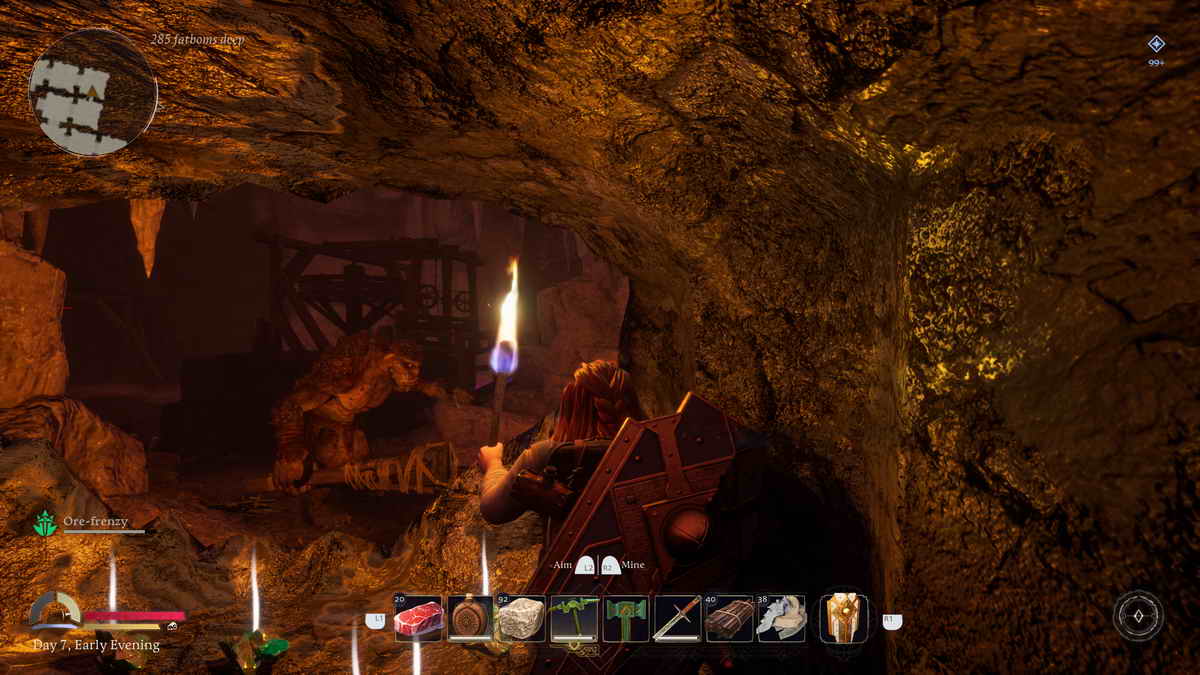
The Lord of the Rings: Return to Moria, a new game that was inspired by the iconic works off Tolkien, offers a fresh perspective on Middle Earth, with a focus on the often-overlooked dwarves. In contrast to the disappointing release of Gollum in 2023, Return to Moria stands out by presenting a side story where dwarves strive to reclaim their home after the fall of Sauron’s empire. It released on PC earlier, but is now out on PlayStation 5, which is how we tested it.
For fans of the films, it’s great news that John Rhys-Davies reprises his role as Gimli, now Lord Gimli Lockbearer, adding a touch of continuity and investment to the game. However, the high difficulty level of the game poses a significant challenge for more casual gamers, particularly in single-player mode. This makes it clear that the game was designed with multiplayer in mind, which might scare off single player/offline gamers.
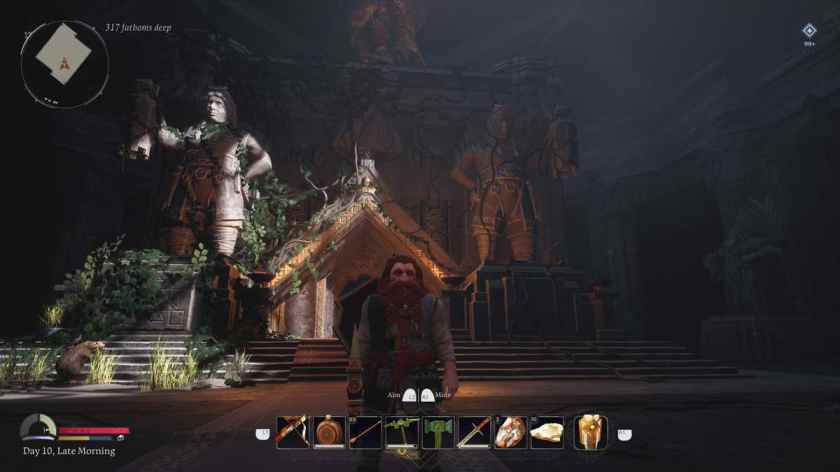
Visually, Return to Moria impresses with its lighting effects and customizable dwarf characters – both of which added character to a game that largely takes place underground. The majority of the gameplay unfolds in near darkness, emphasizing the need for torches and beacons. The occasional beams of sunlight penetrating the roof provide a visually appealing break from the darkness as well, while enemies, reminiscent of those from the movies, primarily consist of goblins, trolls and other creatures.
The game kicks off with a compelling tutorial, dropping players into the mines after an explosion, forcing them to collect materials and craft essentials. However, the crafting system becomes less intuitive as more options become available, leading to occasional frustration unless you’re fairly experienced in the crafting genre.
Once a base is established in the (procedurally generated) mines, players delve deeper to uncover the source of a dark magic that is somehow impeding their progress towards rebuilding their former glory. The loop of collecting resources, crafting equipment, and exploring persists, with basic resources like wood, stone, coal, and iron playing crucial roles. Rebuilding broken statues yields blueprints for new items, but the random nature of the game that comes with the procedurally generated environments does introduce a level of potential frustration.
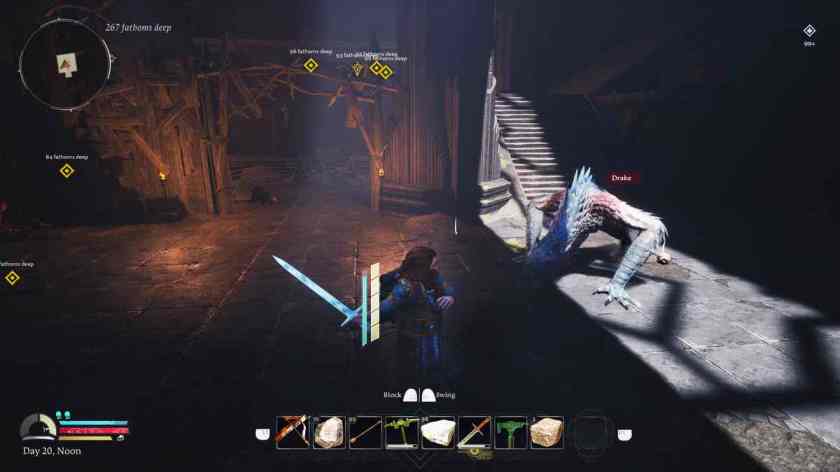
Unfortunately the single-player experience isn’t as much fun, while the multiplayer mode provides a more enjoyable game where teamwork and cooperation becomes essential for navigating the mine’s darkness – fostering a sense of unity among the dwarves that you don’t really get during single player gameplay.
In summary, Lord of the Rings: Return to Moria is a potentially really fun but challenging experience for a multiplayer session between players who share a love for all things Middle Earth. However, its design seems less accommodating for solo players, urging prospective players to assemble a group of dwarves to fully appreciate the game – or be prepared for a Lord of the Rings experience that’s not as exciting as you’d like it to be.
Score: 6.5/10
 Press Play Media