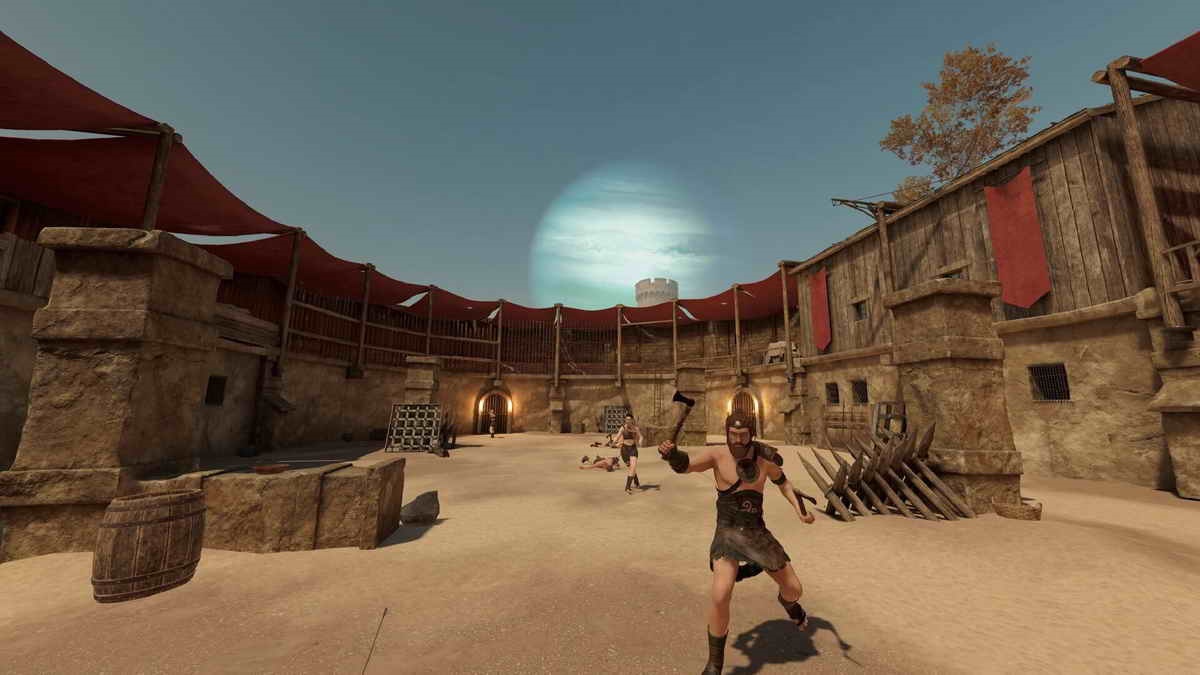
Blade & Sorcery, developed by WarpFrog, has long been a standout title in the VR landscape because of the time it spent in Early Access. It was renowned for its innovative melee, ranged, and magic combat mechanics, and now there’s the release of its 1.0 version, which we’re checking out on a PCVR setup with a Quest headset.
At the heart of Blade & Sorcery lies its physics-driven interaction and combat system – both of which were clearly designed with VR in mind. The game’s combat mechanics are some of the best in the VR realm, offering a level of realism and fluidity that elevates every encounter. Weapons seem to possess a feeling of weight, and the precise hitboxes ensure that every swing, stab, and parry feels authentic. This attention to detail extends to the enemies as well, whose full-body physics respond believably to the player’s attacks, making each encounter a visceral and satisfying experience.
The introduction of the Crystal Hunt progression mode in version 1.0 adds additional depth to the game, transforming it from a sandbox combat simulator into a more structured and engaging adventure. You can now go on a journey through procedurally generated dungeons, unlocking a diverse array of skills and uncovering the lore of Byeth. This mode provides a clear sense of purpose, encouraging players to experiment with the game’s extensive arsenal of 76 weapons and 90 pieces of armor, which gives you plenty of room to hone your own style.
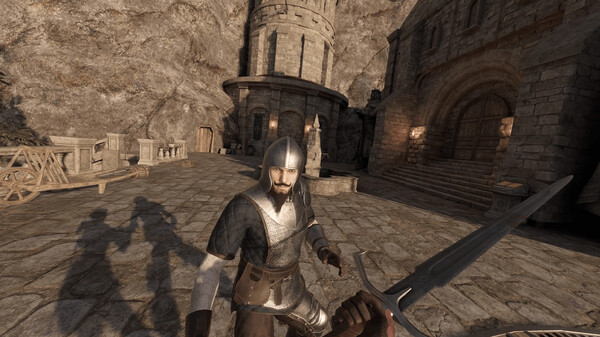
But while the combat system shines, the narrative and progression elements in Blade & Sorcery are a bit more subdued and feel tacked on. The Crystal Hunt mode does introduce a background class system and a variety of customization options for your avatar, but the narrative is conveyed primarily through scattered notes and voiceovers, rather than a traditional story-driven approach. If you’re looking for a more cohesive plot in your games, then it’s good to point out that this game’s main focus is its immersive and dynamic combat – not the story.
The game’s visuals and audio help contribute to its immersive quality, with environments that are richly detailed, and the sound design heightens the sense of presence. Whether it’s the clash of swords or the sounds of magical spells, the audio enhances the overall experience, drawing players deeper into the game’s medieval fantasy world.
However, Blade & Sorcery is not without its drawbacks. The AI, while commendable, can still be somewhat predictable and lacks the challenge found in other combat-heavy titles. This might diminish the difficulty for some players once you master the mechanics, though the variety in combat options lets you play around and that does compensate for a lot.
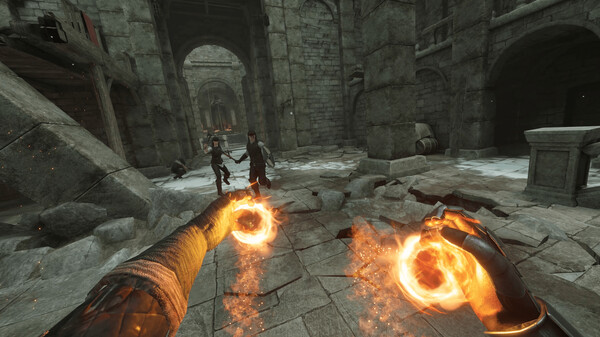
The game also features a robust modding community which it’s built up over the years, significantly extending the lasting appeal for the game. From new weapons and spells to gameplay tweaks, the mods available for Blade & Sorcery allow players to tailor the experience to their preferences, ensuring that the game remains fresh and engaging through new things you can try.
In conclusion, Blade & Sorcery’s 1.0 launch marks a significant milestone for the game, enhancing its already impressive combat mechanics with a meaningful progression system and richer world-building elements. While it may not fully satisfy those seeking a deeply narrative-driven (RPG-like) experience, it excels in offering one of the most immersive and physically engaging combat systems in VR. For fans of VR combat and medieval fantasy, Blade & Sorcery is an essential addition to their library.
Score: 7.7/10
 Press Play Media