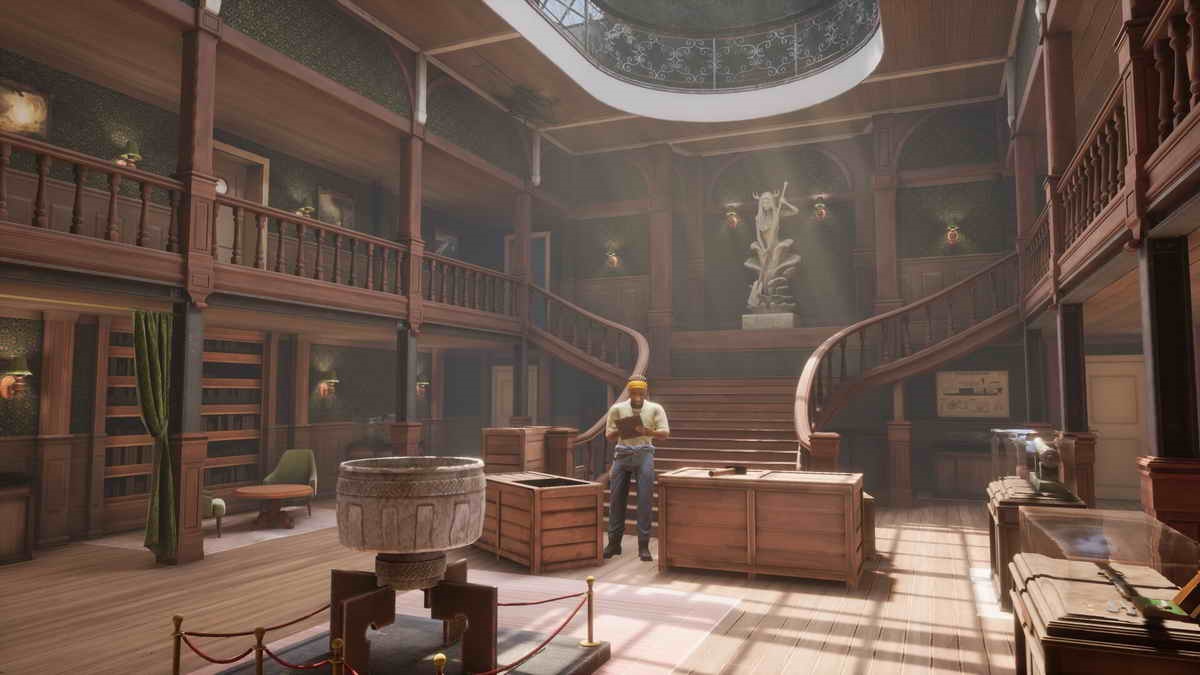
Thalassa: Edge of the Abyss, developed by Sarepta Studio and published by Team17, is an atmospheric first-person psychological drama that takes players on a dive into both the literal and metaphorical depths of the ocean. Set in the year 1905, the game’s narrative features a tale of loss, discovery, and the fragile nature of the human mind, all while enveloping the player in a visually striking and emotionally resonant experience. Currently exclusive to PCs, we played the game on Steam.
The premise of Thalassa is simple yet effective: you play as Cam, a deep-sea diver who is part of a crew tasked with raising a long-lost Spanish galleon (the Thalassa) from the ocean floor. However, what should have been a triumphant moment in history quickly turns into a nightmare. After a harrowing accident, Cam is left to recover on their own, only to discover that the Thalassa has met a mysterious end, leaving its crew missing. From this point on, the game becomes a solitary journey of exploration and self-reflection, as Cam descends into the abyss to uncover the fate of their comrades and piece together the tragic events that led to the ship’s demise.
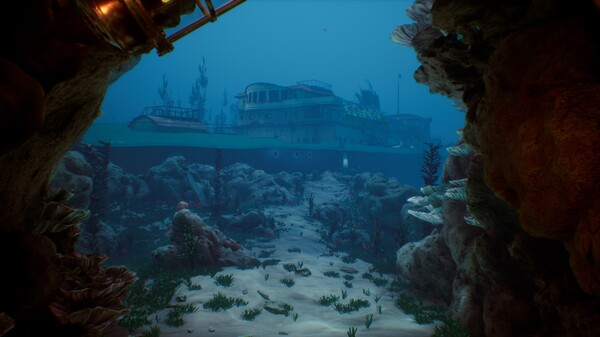
One of the standout aspects of Thalassa is its narrative depth. The game explores complex human emotions, particularly grief and loss, through the interactions and relationships between the crew members. As Cam delves deeper into the wreckage of the Thalassa, players are gradually exposed to the personal struggles and hidden sorrows of the crew, each of whom has been affected by grief in different ways. The narrative is both intimate and harrowing, offering a poignant reflection on how tragedy can shape and unravel lives – though it’s not exactly lighthearted as a result, which makes this a game that’s not for everyone.
The gameplay in Thalassa is a mix of exploration, puzzle-solving, and environmental storytelling. As a deep-sea diver, you’ll navigate through the somewhat haunting remnants of the Thalassa, uncovering clues that gradually unravel the ship’s tragic history. The underwater environment is beautifully rendered, with the deep ocean providing a sense of isolation and calm that is both serene and, because of the Thalassa, unsettling. The puzzles themselves are generally straightforward, often requiring players to find tools to unblock passages or piece together fragments of information, but they serve as an effective means of driving the narrative forward. The controls are intuitive, allowing players to focus on the exploration and narrative without being hindered by overly complicated mechanics that take you out of the immersion.
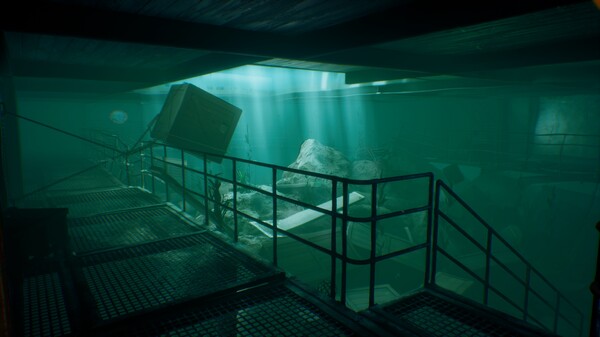
However, the game’s pacing can be a double-edged sword. While the slow, methodical exploration adds to the sense of immersion and tension, it also tests your patience at times. The calm pace of the game may not appeal to those looking for more immediate thrills, and the lack of urgency in certain moments can make the experience feel somewhat drawn out. Additionally, while the puzzles are thematically appropriate, the mechanics they use can sometimes feel repetitive, detracting from the overall experience.
The game’s art direction beautifully captures the beauty of the deep sea, with detailed environments that range from the weathered remains of the Thalassa to the strange and wondrous underwater landscapes that surround it. The use of light and shadow is particularly effective, creating an atmosphere that is almost claustrophobic at times. The game’s audio design is equally impressive, with a haunting score and immersive sound effects that further draw players into its world – and this is a great game to play with a good pair of headphones.
In conclusion, Thalassa: Edge of the Abyss is a deeply atmospheric and emotionally charged experience that offers a fresh take on the psychological drama genre. While its slow pacing and occasionally repetitive puzzle gameplay may not appeal to everyone, those who are willing to immerse themselves in its world will find a rich narrative that sticks with you after the credits roll.
Score: 7.7/10
 Press Play Media