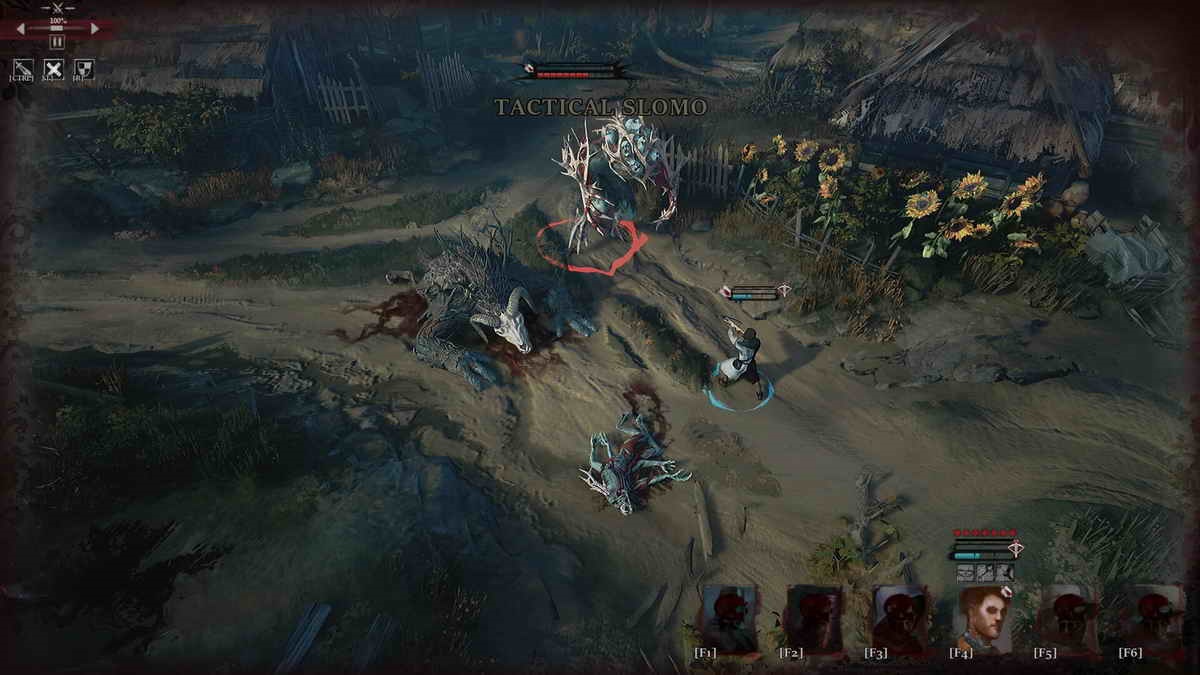
In this exclusive interview with the creative minds behind Band of Crusaders, we delve into the inspirations, challenges, and unique mechanics shaping Virtual Alchemy’s ambitious new title. We talk about their passion for medieval history and immersive, complex game design, as team at Virtual Alchemy merges diverse skills in game development, history, and the arts. Band of Crusaders is an intense, strategic RPG featuring a distinct hand-painted 3D aesthetic and real-time tactical combat mechanics. From dynamic map progression to dark, thought-provoking themes, Virtual Alchemy aims to create a game that not only stands out in the tactical RPG genre but resonates with players seeking a dark, richly detailed medieval fantasy.
Can you share a bit about the team at Virtual Alchemy?
At Virtual Alchemy, we come from a diverse range of backgrounds, which I believe is one of our greatest strengths. Our team members have experience in everything from AAA development (in particular CD Projekt) to indie game production (Jujubee, Superhot), but we also draw from other fields than gaming – for example, some of the team members have specialist and/or higher education in history, music, and fine arts. For example, our Art Director, Kamil, has a background in traditional painting, which really shows in the game’s hand-painted 3D aesthetic. Personally, a lot of us are also drawn to medieval history and folklore, which has heavily influenced the game’s setting. Finally, most of the team members are the target demographic for Band of Crusaders, so you could say we’re developing a game for ourselves – deeply systemic and with a dark, serious tone! This allows us to stay more committed and authentic in what we’re creating.
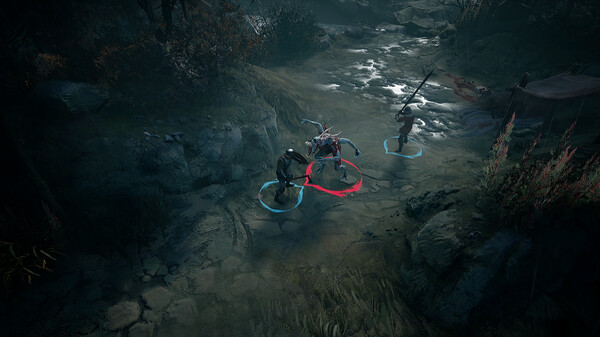
The game features real-time tactical combat with slow-motion mechanics. How did you come up with this idea, and what makes it stand out compared to other tactical games?
The real-time tactical combat with a slow-motion mechanic emerged from our desire to create a battle system that feels both dynamic and tactical. We also wanted to overcome a problem that turn-based systems sometimes bring – long core loops, resulting from long combat encounters and very long single play-sessions, especially in endgame. These sometimes prevent you from playing a game in the evening, for example for one quick playthrough.
Finally, we recognize that the market is already highly saturated with turn-based games, many of which are very good but quite similar mechanically to what was already created in the past. So we want to experiment and bring in some fresh ideas.
Dynamic map progression is a key feature, with the world reacting to both player actions and the demonic invasion. How does this mechanic evolve throughout the game, and what kind of choices will players face as the world around them changes?
The dynamic map progression in Band of Crusaders challenges players to adapt their strategies to the evolving challenges and opportunities. As the demonic invasion spreads and the simulation advances, regions of the map will fall into chaos, with settlements being plundered and difficulty levels shifting across different areas. You will have the freedom to decide which regions or factions to prioritize, if any, or whether to focus solely on your order’s goals to maximize resources, reacting to the world map’s events as they unfold. This system provides players with a high degree of freedom, allowing for individualized playthroughs and generating significant replayability.

The game deals with heavy themes like sin, heresy, and demonic forces. How did you approach handling these dark subjects in a way that’s engaging but also respectful of the setting and the period it’s inspired by?
We approached these themes with respect, but we also understand and accept that players will form their own interpretations of the experience we provide. We aimed to imagine how humanity might react if Europe were truly attacked by demons in the 1350s. For Medieval Europe, this was a time when faith, fear, and superstition played significant roles in daily life, and we want to reflect that in Band of Crusaders. Our goal isn’t to sensationalize these themes, but to embrace their complexity and deliver them as part of a holistic game experience that also includes a multitude of RPG, management and combat systems. We hope some players who are familiar with and fond of the medieval European setting will recognize inspirations drawn from biblical content and folklore, while others may simply see it as “fantasy.”
Since Band of Crusaders has such intricate systems for character development, camp management, and combat, how do you ensure that new players aren’t overwhelmed by the game’s depth?
First and foremost, we acknowledge that Band of Crusaders isn’t meant to be a game for everyone. Our primary goal is to satisfy the demanding audience of complex strategy RPGs, such as Battle Brothers or Wartales, who we believe are more inclined to embrace challenging gameplay and a variety of mechanics. That said, we plan to expand our reach by working on difficulty options, allowing players to tailor their experience based on how deeply they want to engage with the mechanics. Lastly, we understand the importance of tutorialization and managing the learning curve on which we plan to work iteratively during many playtests that are planned.
What are the biggest lessons the team has learned during the development of Band of Crusaders, and how will these lessons shape the rest of the game’s development?
We’ve learned that having a small team isn’t necessarily a drawback, even for a large and ambitious game. While larger teams benefit from specialized expertise, smaller teams often consist of generalists. At the same time, this allows for longer iteration cycles without the unnecessary stress on timelines and budgets. We are still working on securing funding for our game, and in these difficult times, we would likely have gone bankrupt by now if we had a much bigger team.
 Press Play Media