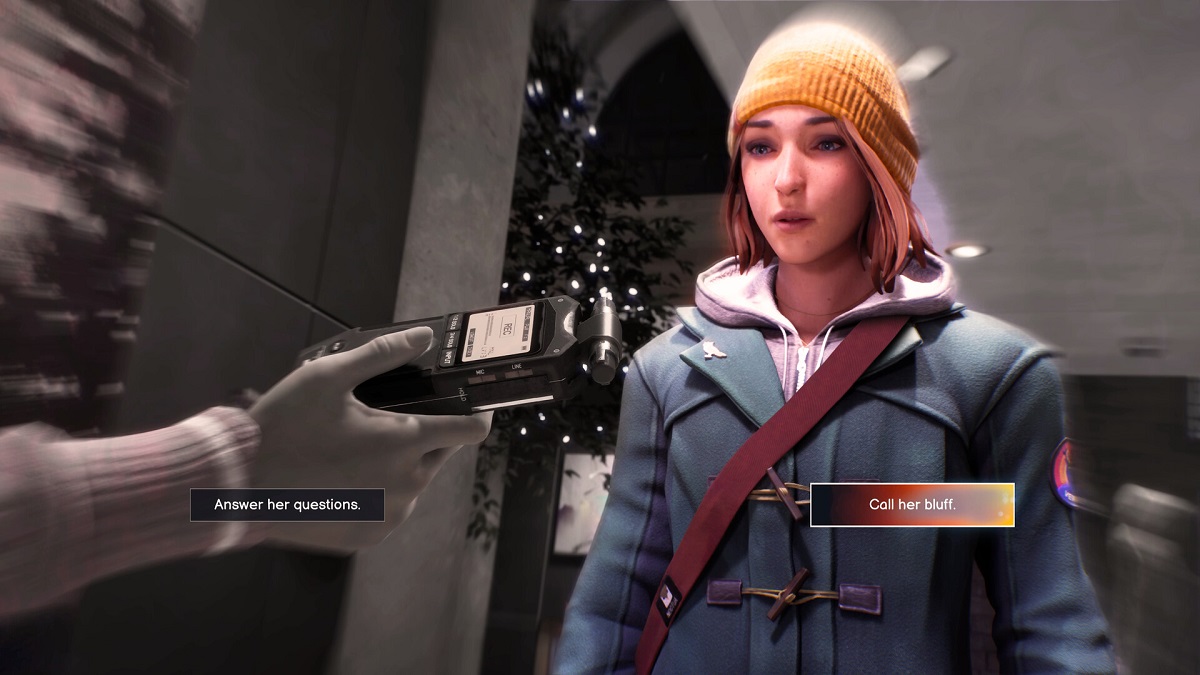
Life is Strange: Double Exposure takes the familiar and beloved storytelling framework of the Life is Strange series into darker, more complex territory. This latest entry centers on Max Caulfield’s return, bringing her to a prestigious university where a haunting new mystery unfolds. Max’s once-dormant time-traveling ability reawakens as she attempts to prevent the death of her friend, Safi, across two distinct timelines. This gripping dual-reality setup creates a tense atmosphere, giving players the unique challenge of navigating through timelines to outwit a mysterious killer whose presence permeates both realities. The stakes feel high, and the weight of every decision intensifies as the story progresses. We checked it out on a PlayStation 5.
The premise is typical for a Life is Strange game, with Max’s new power, which is called “Shift”, allowing her to move between parallel timelines. The integration of this mechanic adds layers to her journey as she pieces together clues across two versions of Caledon University. It’s a compelling twist on the Rewind ability, allowing for new forms of storytelling and environmental exploration. However, while this setup is ambitious, some players may find navigating two separate timelines cumbersome, as shifting can occasionally interrupt the game’s narrative flow, detracting from its emotional impact.
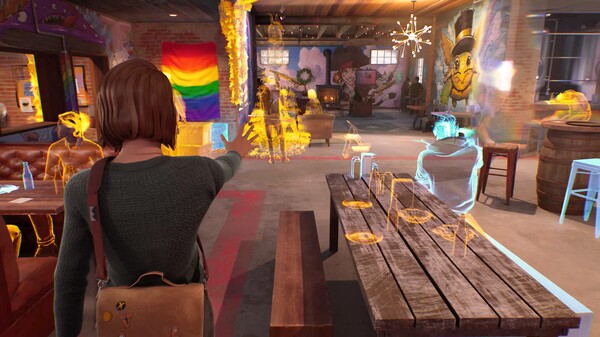
Graphically, Double Exposure brings a distinct winter ambiance that contrasts beautifully with the more subdued color palettes of past entries. The campus, blanketed in snow, feels both serene and eerie – a fitting backdrop for the dark narrative unfolding in each timeline. While the environmental details shine, character animations sometimes lack the polish expected on the PS5, with minor stilted movements that break immersion during key moments. Still, these flaws don’t overshadow the emotional impact of the voice acting, which is stellar across the board. The dialogue, though occasionally overly dramatic, succeeds in drawing players into Max’s desperation and the urgency of her mission.
The game’s pacing is another standout feature, with clues, secrets, and choices scattered across both timelines, keeping players engaged in piecing together the mystery. However, the choice-based gameplay, while still immersive, feels more constrained in some sections, with fewer branching paths than one might expect from a dual-reality story in the Life is Strange series. This limited interactivity might disappoint players hoping for even deeper decision-making mechanics and variable outcomes.

Other aspects of the sound design further enriches the experience, with an original score that leans into the series’ iconic indie vibes but with a darker undertone that suits the game’s more intense narrative. Moments of tension are punctuated by music that mirrors Max’s emotional state, enhancing the suspenseful and contemplative aspects of gameplay. However, the game’s audio mixing occasionally feels off, with dialogue sometimes overwhelmed by ambient sounds – a minor but noticeable flaw that could briefly detract from some players’ immersion.
Overall, Life is Strange: Double Exposure pushes the series’ supernatural mystery angle into new territory. Max’s return and the intricate dual-timeline mechanic bring freshness to the familiar formula, even if some of the execution doesn’t fully capitalize on the potential. While not without its technical shortcomings, the game is a worthy addition to the Life is Strange series, weaving a story that is both intimate and suspenseful, guaranteed to resonate with fans and newcomers alike.
Score: 7.6/10
 Press Play Media