
Blue Brain Games’ The House of Da Vinci VR takes players back to the Renaissance, with an immersive puzzle adventure that combines historical intrigue with clever puzzle mechanics. The transition from the original well-received flat-screen versions to VR breathes new life into the series, making it feel as though you’re stepping directly into Leonardo da Vinci’s workshop. And while the Meta Quest version captures much of the magic is one of the best VR puzzlers out there, there are a few quirks that might impact the overall experience.
The narrative revolves around the mysterious disappearance of Leonardo da Vinci, placing players in the role of his apprentice. This premise sets the stage for an engaging blend of exploration and puzzle-solving, with locations inspired by Renaissance Florence and da Vinci’s iconic inventions and ideas. The story, while intriguing, takes a backseat to the game’s puzzles, which are the true stars. These puzzles are intricately designed and often based on real-life inventions by da Vinci, creating a sense of authenticity. However, some players might find the narrative delivery less compelling due to the minimal character interaction and a focus on the tasks at hand.
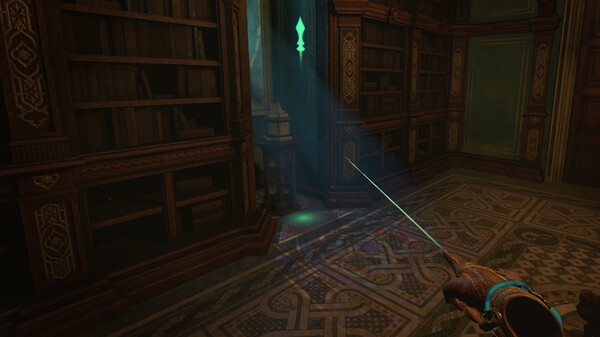
Puzzle gameplay is the heart of The House of Da Vinci VR. The mechanics take full advantage of the VR format, allowing players to manipulate objects, operate intricate machinery, and explore detailed environments. The introduction of a device that lets players peek into the past adds an extra layer of depth, creating opportunities to uncover clues and solve puzzles in inventive ways. While the puzzles are satisfying and often rewarding, they can occasionally feel overly challenging or obtuse, potentially leading to moments of frustration. Players who enjoy methodical problem-solving will likely relish the experience, but those looking for a more casual adventure might find themselves stuck at times.
The controls are generally intuitive and responsive, making use of the Meta Quest’s motion tracking to deliver a hands-on experience. However, the precision required for some interactions can lead to occasional hiccups and retries, particularly when manipulating smaller objects or operating complex mechanisms. These minor issues don’t detract significantly from the overall experience but can disrupt the immersion during particularly intricate sequences.
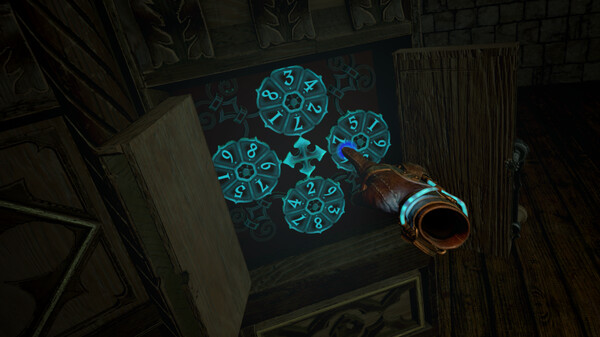
Visually, The House of Da Vinci VR is a treat, with its environments beautifully capturing the grandeur and detail of Renaissance art and architecture. The level of craftsmanship in recreating da Vinci’s inventions is particularly noteworthy, lending a sense of wonder to each discovery. The audio design complements the visuals well, with a subtle score and atmospheric sound effects enhancing the feeling of stepping into the past. However, the relative lack of voice acting or more dynamic soundscapes might leave some players wishing for a bit more vibrancy in their surroundings, and are areas where the game could have been improved. Having said it, it’s an audiovisually impressive title on the Quest that successfully immerses you in its adventure.
Overall, The House of Da Vinci VR is a commendable adaptation that brings the beloved series into a new dimension on new platforms. Its intricate puzzles, immersive environments, and historical charm make it a must-play for fans of the original games and puzzle enthusiasts alike. While its difficulty level and occasional control quirks might not appeal to everyone, those who enjoy cerebral challenges and detailed worlds will find plenty to love. For players eager to experience the brilliance of Leonardo’s creations up close, this is a journey worth taking.
Score: 8.0/10
 Press Play Media