
Flint: Treasure of Oblivion, developed by Savage Level and published by Microids, offers a distinctive mix of comic-book storytelling and turn-based tactical combat, set against the backdrop of the golden age of piracy. With its blend of historically inspired elements and touches of fantasy, the game aims high and succeeds, even if a few rough edges exist.
At its core, the narrative in Treasure of Oblivion is a compelling adventure with Captain Flint leading his crew on a journey to uncover a mysterious treasure that promises grand rewards like ‘liberation’ and ‘self-discovery’. The comic-book-style presentation brings a lot of personality to the story, with dynamic panels, expressive art, and onomatopoeic flourishes that emphasize key moments. But while the visual storytelling is incredibly creative and engaging, the pacing of the actual narrative can sometimes feel uneven, with certain sections dragging on for a bit too long.
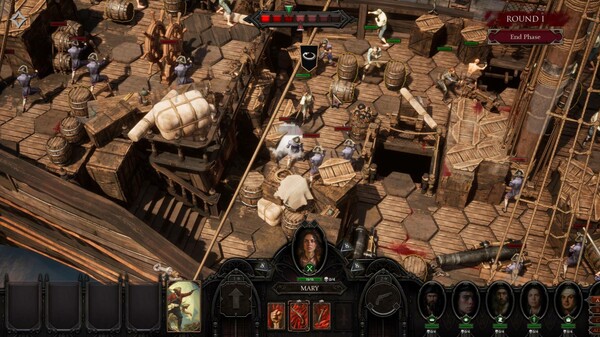
The gameplay itself combines real-time exploration with turn-based tactical combat, creating a layered experience. The tactical combat system is built around dice rolls and card-based mechanics, encouraging careful planning and adaptation. Each crew member has unique abilities that can be enhanced over time, adding depth to the strategic options. However, the reliance on RNG mechanics through dice rolls can occasionally lead to frustration, as success sometimes feels out of the player’s control. Despite this, the combat’s variety and the inclusion of environmental factors keep it engaging for the most part.
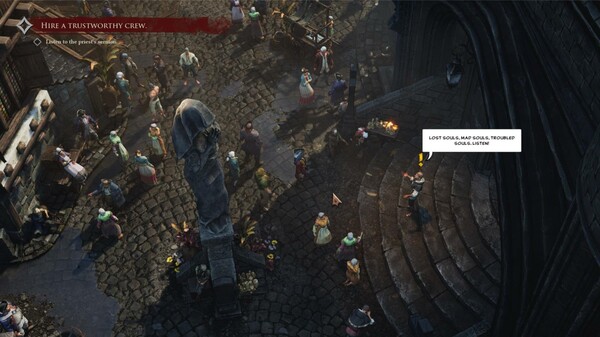
Exploration segments provide a welcome break from combat, showcasing the game’s use of Unreal Engine 5 to render detailed environments that are a true standout in the genre. From the bustling port of Saint-Malo to lush jungles and hidden caves, the game excels in creating a vibrant, atmospheric world. These areas are richly detailed and immerse players in the historical setting, though some sections feel underutilized, offering little more than visual appeal without meaningful interaction with what seems like a very rich game world.
The controls are generally smooth, though there are moments when navigating certain environments feels clunky, particularly when you find yourself in tight spaces. The interface during turn-based combat sequences is intuitive, but the sheer number of mechanics to manage (dice, cards, skills, and positioning) might overwhelm newcomers to the genre or those looking for something fairly familiar. Tutorials are present, but could be more detailed to help players get a firm grasp of the systems early on.
The audio design complements the visual experience, with an atmospheric score that enhances the sense of adventure. The use of period-appropriate sound effects, from the creaking of ships to the clash of swords, adds authenticity. However, the lack of voice acting for key narrative moments feels like a missed opportunity, as it would have added emotional depth to the story’s pivotal scenes and the excellent visual design.
Ultimately, Flint: Treasure of Oblivion shines brightest in its artistic presentation and world-building, offering a fresh take on piracy that blends historical and fantastical elements. While its tactical combat and exploration have undeniable strengths, some uneven pacing in the story and occasionally overwhelming mechanics hold it back at times. For fans of turn-based strategy games and narrative-driven adventures, however, this is a seafaring journey well worth embarking on.
Score: 7.9/10
 Press Play Media