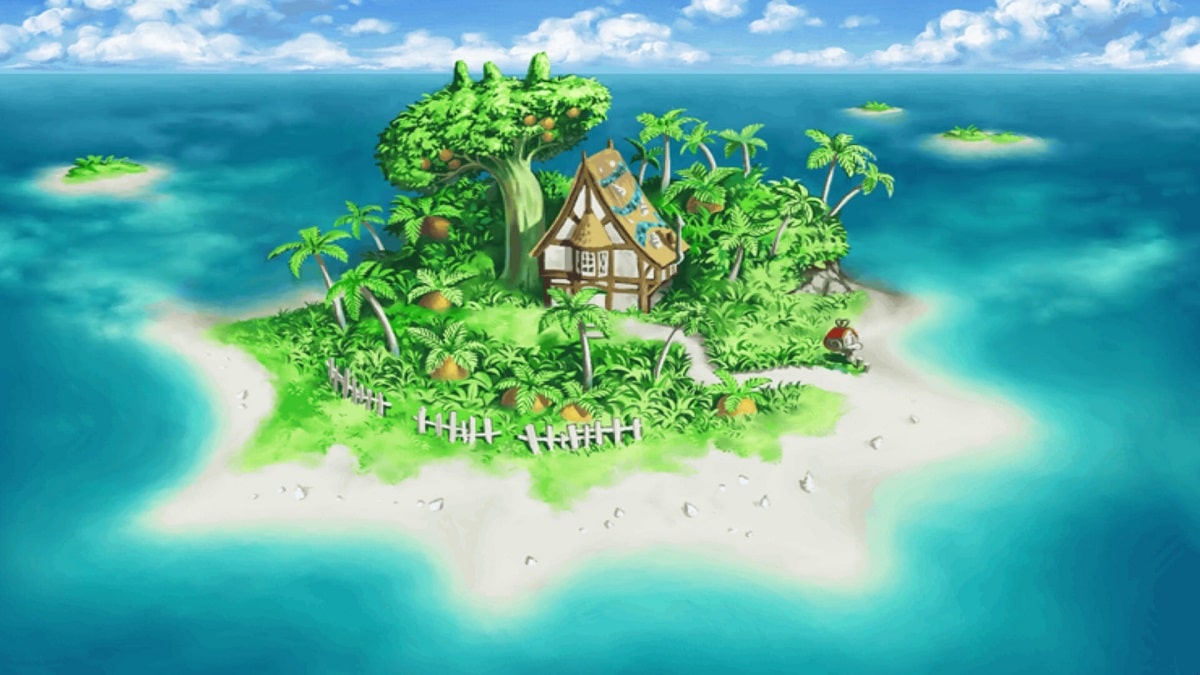
Over two decades after its original release, Phantom Brave: The Lost Hero brings back its distinct blend of strategy RPG mechanics with a fresh coat of paint and some new additions. Developed by Nippon Ichi Software and published by NIS America, this latest entry in the Phantom Brave series delivers a mix of familiar tactical depth and experimental mechanics that set it apart from more conventional SRPGs. While its unique approach to strategy remains engaging, some dated elements and minor technical issues may limit its appeal beyond dedicated fans of the franchise.
At the heart of The Lost Hero is Marona, a young girl with the ability to communicate with Phantoms – spirits of the departed who can be bound to objects in the environment to aid her in battle. After being separated from her longtime companion Ash due to a ghost ship attack, Marona teams up with Apricot, a spirited but uncertain ally, as they attempt to reunite with Ash and take on the mysterious Shipwreck Fleet. The story maintains the franchise’s signature lighthearted charm, with an emotional core that highlights the contrast between Marona’s optimistic nature and Apricot’s initial hesitation. While the narrative takes some time to gain momentum, it ultimately provides a rewarding and heartfelt experience, even if it lacks major twists or dramatic stakes.

What truly sets Phantom Brave apart from other tactical RPGs is its free-movement combat system, which does away with the traditional grid-based approach. Instead, characters move within a circular range, dictated by a stat called “dm.” This allows for a more flexible and fluid approach to positioning, though it also demands careful planning due to the game’s emphasis on terrain and object interactions. The “Confine” system, a returning staple of the series, lets Marona summon Phantoms by binding them to objects on the battlefield, which in turn influences their stats and abilities. This creates a wealth of strategic options, as different objects offer unique benefits. New mechanics like “Confriend” – which allows Marona to merge with Phantoms to gain special abilities – and the integration of Gadgets, such as cannons and robots, expand the tactical depth even further.
However, these mechanics come with a learning curve. The game introduces numerous interwoven systems, and while veterans of Nippon Ichi’s titles may embrace the complexity, newcomers could find the initial hours overwhelming. Additionally, the lack of modern quality-of-life features, such as a rewind function or an auto-battle option, makes grinding feel more laborious than it should. The game does attempt to ease players into its mechanics, but the pacing of tutorials and narrative progression can feel uneven at times.

Visually, Phantom Brave: The Lost Hero employs a 3D art style similar to Disgaea 7, which may be a point of contention for fans of the original’s 2D sprites. While the character models and environments are colorful and charming, the transition to 3D isn’t always smooth. Certain maps suffer from awkward camera angles that can obscure visibility, and the graphical fidelity, while serviceable, doesn’t always feel like a major upgrade from past entries.
Complementing the visuals is a solid soundtrack that captures the adventurous spirit of the game. The music ranges from upbeat and whimsical to more dramatic themes that enhance key moments, maintaining the series’ signature style. Voice acting is also well-executed, with Marona and Apricot’s performances standing out in particular. However, menu navigation can feel clunky at times, with some redundancy in interface design that makes accessing certain options more cumbersome than necessary.
For longtime fans of Phantom Brave, this latest installment successfully preserves the franchise’s core identity while introducing new mechanics that deepen its strategic gameplay. Despite some accessibility hurdles, minor performance issues, and a slower start, The Lost Hero remains a compelling and inventive SRPG that offers a refreshing alternative to more traditional tactics games. Those willing to invest the time to master its mechanics will find a rewarding experience, but for newcomers, the game’s complexity and lack of modern conveniences may require some patience.
Score: 8.0/10
 Press Play Media