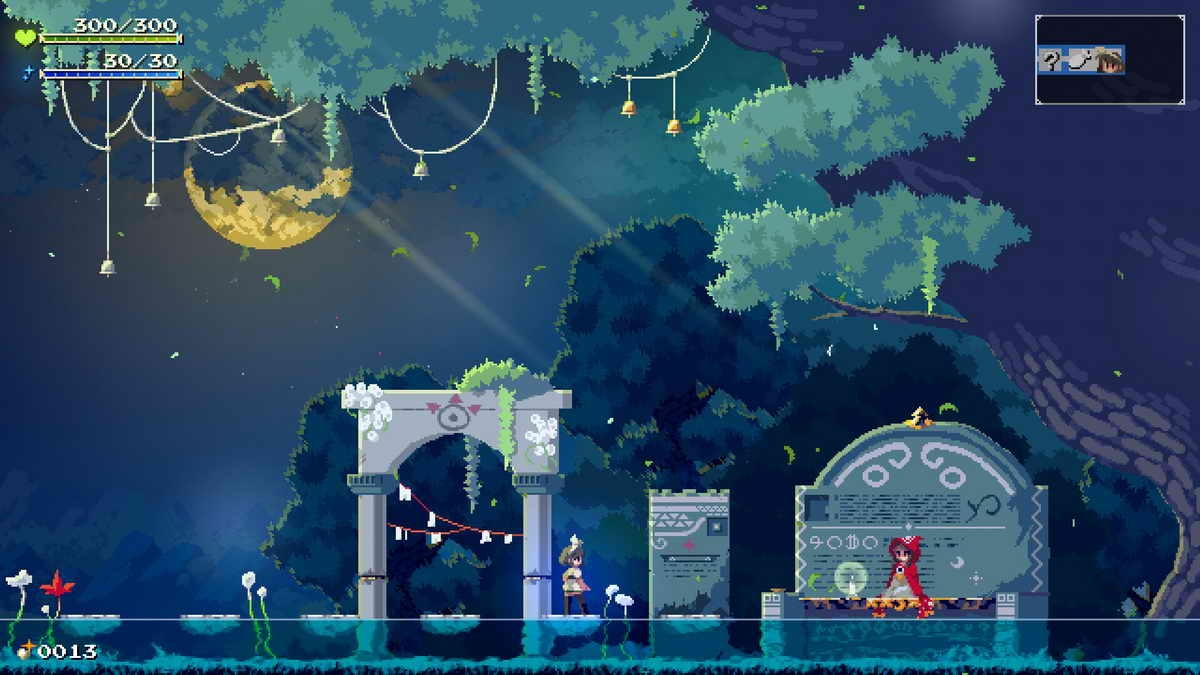
The Momodora series has carved out a niche in the Metroidvania genre with its signature pixel-art aesthetic and fluid gameplay, and Momodora: Moonlit Farewell continues that tradition in what may be Bombservice’s most refined entry yet. As a direct follow-up to their earlier work, this latest installment expands on the series’ core formula with polished combat, enhanced exploration, and a striking visual presentation, offering both long-time fans and newcomers a compelling action-platforming experience.
The story centers on Momo Reinol, a high priestess tasked with investigating a demonic resurgence tied to the ominous ringing of a mysterious bell. While the narrative is more prominent than in past entries, it still maintains a minimalistic approach, delivering enough intrigue to propel the adventure without overwhelming players with exposition. Interactions with NPCs add some depth, and while the story’s pacing can feel front-loaded, it eventually settles into a rewarding mystery that enriches the world’s atmosphere. However, those unfamiliar with previous games might find some references lacking context, even if the game makes an effort to remain accessible.
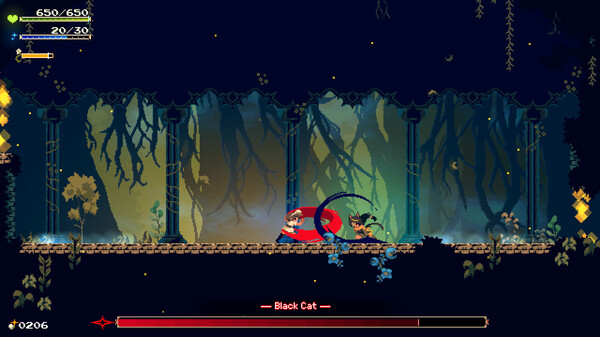
Gameplay remains rooted in fast, responsive combat and rewarding exploration. Momo wields a mix of melee attacks and a bow, with new permanent abilities such as dashing and double jumps unlocking over time. The Sigil system allows for further customization, letting players tailor their approach by emphasizing offense, defense, or support perks. While standard enemies aren’t particularly challenging, the game’s boss fights stand out, featuring intense, strategic encounters that demand careful pattern recognition. However, not all bosses offer the same level of mechanical complexity – while duels against humanoid foes shine, some larger, monstrous encounters feel less engaging despite their impressive visual designs.
One of Moonlit Farewell’s strengths is its world design, featuring interconnected biomes that encourage exploration without excessive backtracking. The color-coded map and NPC guidance help maintain a steady pace, though early movement limitations can make initial traversal feel restrictive before abilities alleviate the issue. Despite this, the sense of progression is satisfying, and the environmental storytelling adds to the game’s immersive feel.

Visually, the game is a standout, with rich pixel art and smooth animations that bring the world to life. The careful use of color and lighting enhances the atmosphere, making each area distinct and memorable. Character and enemy designs strike a balance between eerie and whimsical, reinforcing the game’s ethereal tone. Complementing this is a beautifully crafted soundtrack that shifts seamlessly between tranquil exploration themes and pulse-pounding battle music, elevating the overall experience.
While Momodora: Moonlit Farewell doesn’t reinvent the Metroidvania formula, it excels in execution, delivering a polished and engaging adventure. Some may find the difficulty a bit forgiving, particularly with certain Sigil combinations easing combat more than intended, and the relatively short runtime may leave genre veterans wanting more. However, the game’s tight mechanics, stunning presentation, and satisfying progression make it a worthwhile journey. It may not redefine the genre, but it cements itself as a worthy entry in the Momodora series, serving as both a fitting conclusion and a reminder of Bombservice’s strengths as a developer.
Score: 8.2/10
 Press Play Media