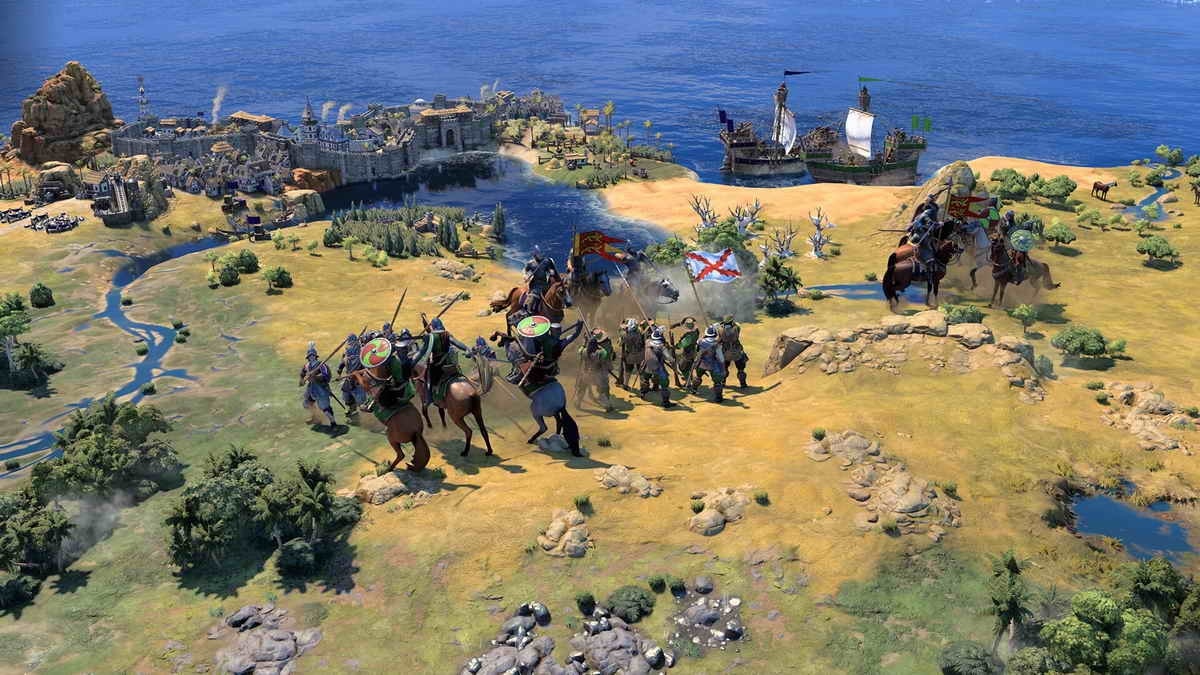
Sid Meier’s Civilization VII marks a bold evolution in the acclaimed and long-running 4X strategy series, introducing new mechanics while staying true to the franchise’s core principles. The game retains the essence of empire-building, where players lead a civilization from the dawn of humanity to the modern world. One of the most significant changes in this installment is the restructuring of the game’s timeline into three distinct epochs: Antiquity, Exploration, and the Modern Age. This shift allows for a fresh approach to the traditional gameplay loop, but it also brings some challenges, particularly in terms of pacing and long-term strategy. Players will need to adapt to the game’s faster transitions between eras, which can sometimes feel like a (partial) reset in terms of progression.
A standout feature in Civilization VII is the increased flexibility in choosing leaders and civilizations. Unlike previous titles where leaders were closely tied to their civilizations, this iteration allows players to mix and match leaders from different cultures, expanding strategic options. This change encourages experimentation, as players can explore unique combinations and create new paths to victory. Moreover, the introduction of legacy points adds an extra layer of depth, rewarding players for cultural achievements with bonuses that carry over into future sessions. While these innovations inject variety into the gameplay, they can sometimes disrupt the flow of the game. The reset between epochs, although designed to refresh the experience, may also feel jarring for some players who prefer a more consistent and traditional progression.
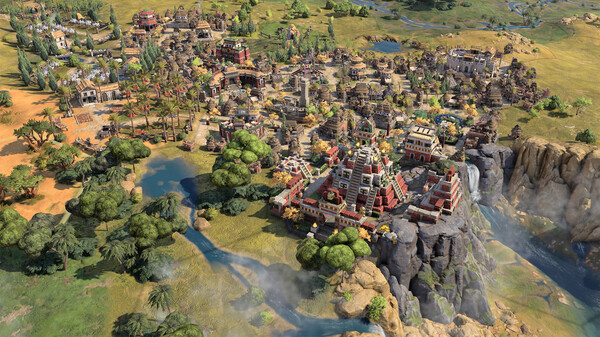
Despite these changes, some elements of the traditional Civilization experience remain intact. The game still focuses on the key 4X mechanics: explore, expand, exploit, and exterminate. However, some shifts, like the simplified city development system and the removal of traditional worker units, have made the game feel less engaging for long-time fans of the series. The streamlined food-based growth mechanic offers ease of use, but it sacrifices some of the depth that older Civilization games are known for. The changes to military units also streamline the experience, with commanders now managing groups of units rather than individual soldiers. While this cuts down on micromanagement and feel like a console-specific choice for this multiplatform launch, it also reduces the tactical complexity that previous titles offered, especially for players who enjoyed the finer details of combat.
Diplomacy, too, has been given a makeover. The updated system introduces more nuanced interactions, allowing players to engage in more complex negotiations and influence their rivals more effectively. However, the depth of these diplomatic choices can sometimes make managing multiple civilizations a bit cumbersome. Players may find themselves bogged down in political intricacies, which can detract from the game’s overall pacing, particularly in longer sessions. Still, the enhanced diplomacy system does provide more opportunities for strategic alliances and rivalries, and its added complexity offers a fresh layer to the usual gameplay.
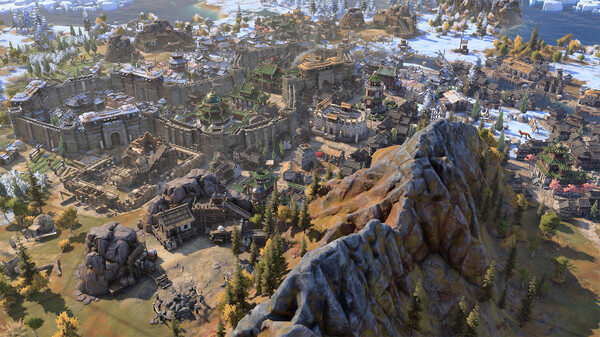
Visually, Civilization VII impresses with its stunning improvements. The game’s graphical enhancements are evident in the detailed cities, dynamic landscapes, and diverse biomes that evolve with each civilization’s progression. The world feels alive, and the beautifully crafted buildings and landscapes offer a more immersive experience. Additionally, the unit designs are rich in detail, and the dynamic soundtrack adapts to the changing epochs, further enhancing the atmosphere. While the PlayStation 5 version looks gorgeous, some performance issues, such as occasional slowdowns and crashes, detract from the otherwise smooth visual experience. These technical glitches can be frustrating but are expected to be addressed in post-launch patches.
In conclusion, Civilization VII introduces some bold new ideas while retaining the strategic depth that made the series a staple in the strategy genre. The restructured epochs, mixed leader combinations, and legacy system provide fresh opportunities for creativity and experimentation. However, the faster transitions between ages, simplified mechanics, and occasional pacing issues might leave some players yearning for the more traditional experience found in earlier titles. While the game’s visual and diplomatic improvements shine, its technical hiccups may be a point of contention. Despite these flaws, Civilization VII remains a promising step forward, and with continued support, it could evolve into one of the most captivating entries in the franchise.
Score: 8.2/10
 Press Play Media