With Like a Dragon: Pirate Yakuza in Hawaii, Ryu Ga Gotoku Studio takes the Like a Dragon franchise into uncharted waters, quite literally. This latest installment follows Goro Majima, who finds himself shipwrecked in the Pacific, stripped of his memories, and thrust into a swashbuckling adventure that blends the series’ signature storytelling with high-seas piracy. The result is an experience that retains the charm and humor of its predecessors while introducing new mechanics that range from ship combat to treasure hunting – it’s a strange mix, but it works.
The narrative is as over-the-top as fans have come to expect, with Majima’s journey leading him to assemble a ragtag crew while searching for his lost memories. The inclusion of a young companion, Noah, adds an emotional layer to the story, though the plot sometimes leans heavily into predictable beats. The clash between modern-day criminals, rival pirates, and legendary treasure seekers provides plenty of opportunities for the game’s signature absurdity, yet it never loses sight of its emotional core. Majima remains an engaging protagonist, bringing his usual unhinged energy, though some supporting characters don’t receive as much depth as they could have.

On the gameplay front, Pirate Yakuza in Hawaii expands on the series’ brawling mechanics with the introduction of two distinct fighting styles. The classic “Mad Dog” returns with its quick, aggressive strikes, while the new “Sea Dog” style introduces dual-wielding swords and pirate-themed gadgetry. This dual-style combat system is fluid and satisfying, rewarding players who experiment with combos and environmental interactions. However, while the hand-to-hand combat remains engaging, some enemy encounters can feel repetitive, particularly when facing waves of lower-tier foes that don’t require much strategy to defeat.
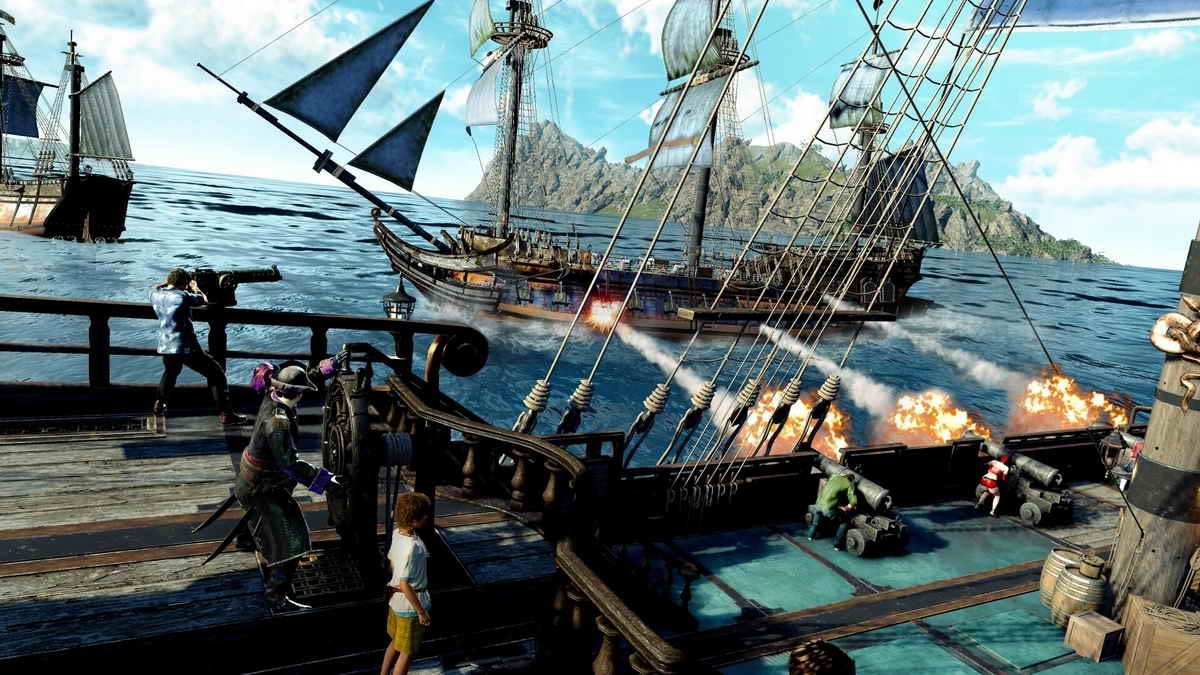
A major new addition is naval combat, which brings real-time ship battles into the mix. Players can maneuver their vessel, unleash cannon fire, and board enemy ships for close-quarters skirmishes. While these mechanics add welcome variety, the naval engagements lack the depth of dedicated pirate games, occasionally feeling more like scripted sequences rather than dynamic encounters. Still, the ability to upgrade ships and recruit crew members adds an extra layer of progression that ties well into the game’s larger adventure.

Visually, the game captures the tropical setting beautifully, with lush island environments, detailed character models, and dramatic weather effects that enhance the atmosphere. The lighting and water physics, in particular, stand out during naval sequences, though some textures and animations feel slightly dated, especially in non-essential areas when you’re exploring. The soundtrack blends traditional Like a Dragon themes with pirate-inspired motifs, creating a unique fusion of styles. Voice acting remains a highlight, with Majima’s performance stealing the show once again, though some secondary characters could have used more dynamic delivery.
While Like a Dragon: Pirate Yakuza in Hawaii successfully brings new elements into the franchise, it doesn’t always refine them to the level of the series’ best entries. The core combat remains strong, and the shift to a pirate theme adds fresh and fun ideas, but the game sometimes struggles with balancing its ambitious mechanics. Still, for long-time fans of the series, it delivers a wildly entertaining ride filled with humor, action, and the unpredictable charm that Like a Dragon is known for. If you’re on board for Majima’s latest chaotic adventure, there’s plenty of fun to be had – just don’t expect the naval combat that’s an integral part of the game to redefine the genre.
Score: 8.0/10
 Press Play Media