
In Wanderstop, Ivy Road invites players into a serene yet introspective journey that feels different from the typical gaming experience. Assuming the role of Alta, a once-celebrated warrior now grappling with personal defeat, players find themselves managing a quaint tea shop nestled within a magical forest. This unexpected career shift serves as the backdrop for a narrative that delves into themes of self-discovery, mental health, and the essence of meaningful work. We checked it out on a PlayStation 5.
The game’s narrative is both its strength and its subtle challenge. Alta’s transition from the battlefield to the tea shop is not just a rather radical change of occupation but a profound exploration of identity and purpose. As you interact with a diverse array of travelers seeking solace and stories over a cup of tea, you also uncover layers of Alta’s character and the burdens she carries. However, while the game touches on significant themes, it occasionally lacks the depth needed to fully resonate with players on these complex issues.
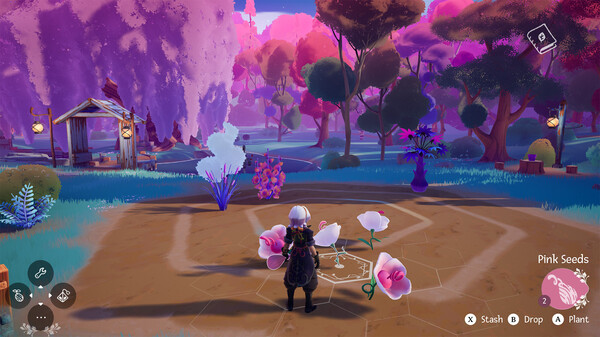
Gameplay mechanics in Wanderstop emphasize relaxation and contemplation over high-stakes action. Players engage in activities such as growing and harvesting tea ingredients, crafting unique blends, and tending to the needs of their patrons. This design choice encourages a slower, more mindful gaming experience, allowing players to savor each moment without the pressure of traditional gaming objectives. The absence of typical performance metrics fosters an environment where the journey and personal reflection take precedence over measurable success.
The controls are intuitive, complementing the game’s unhurried pace. Navigating the tea shop, interacting with customers, and managing daily tasks are straightforward, ensuring that players can immerse themselves in the experience without hindrances. This simplicity aligns with the game’s overarching theme of ease and relaxation, making it accessible to a broad audience.
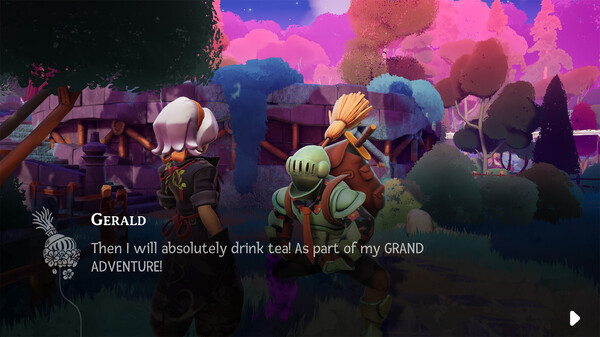
Visually, Wanderstop is a treat. The art direction captures the enchanting essence of the magical forest setting, with vibrant colors and detailed environments that invite exploration. Each element, from the design of the tea shop to the depiction of flora and fauna, is crafted to enhance the cozy atmosphere. The game’s aesthetic appeal is further elevated by its soothing soundtrack, composed by Daniel “C418” Rosenfeld, known for his work on Minecraft. The music complements the visual elements, creating an immersive environment that encourages players to unwind and reflect.
However, the game’s commitment to a leisurely pace may not appeal to all players. Some may find the lack of traditional challenges or clear objectives less engaging, particularly if they are accustomed to more dynamic gameplay experiences. Additionally, while the narrative offers depth, the slow progression might test the patience of those seeking a more immediate or action-oriented storyline.
In conclusion, Wanderstop stands as a unique entry in the gaming landscape, prioritizing introspection and tranquility over conventional excitement. It challenges players to find value in stillness and to appreciate the subtle narratives that emerge from everyday interactions. While its deliberate pacing and thematic focus may not cater to everyone’s preferences, those open to a more meditative gaming experience will find Wanderstop to be a rewarding journey into the heart of what it means to pause, reflect, and heal.
Score: 8.0/10
 Press Play Media