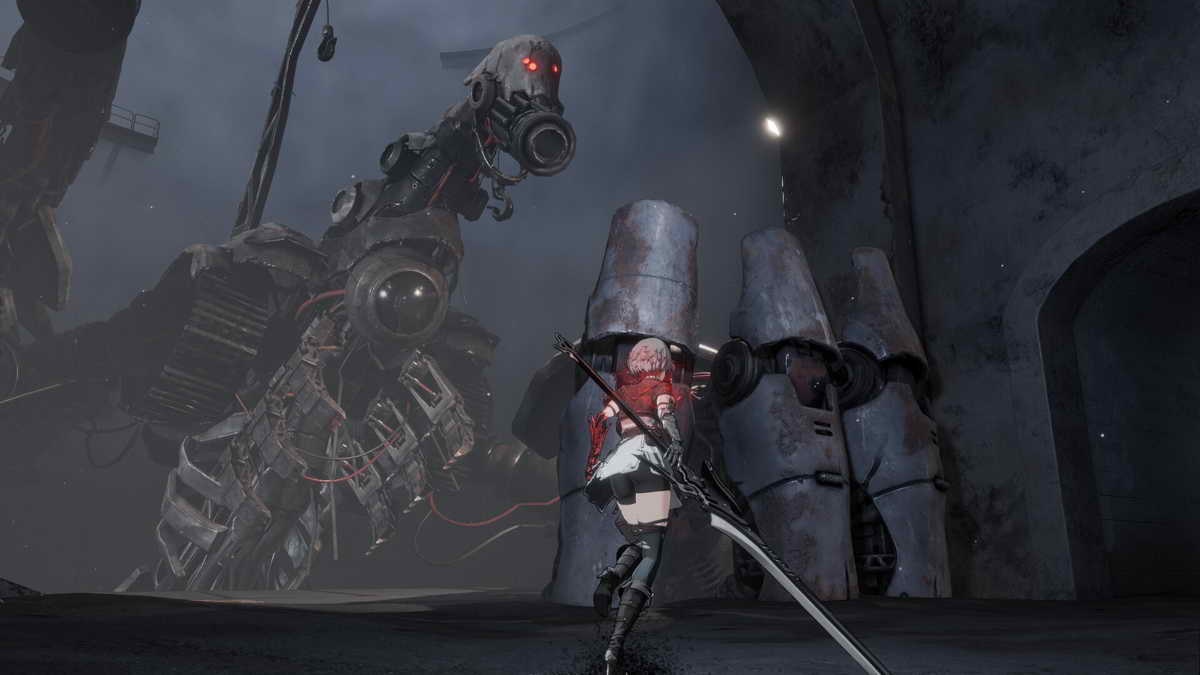
AI Limit arrives on PlayStation 5 as an intriguing, impressive but somewhat uneven addition to the ever-expanding Soulslike landscape. Developed by Sense Games and published by CE-Asia, the game presents a dystopian world of collapsing ecosystems, biomechanical horrors, and remnants of a lost civilization – framing its post-apocalyptic setting around the Bladers, which are synthetic warriors with the power to defy death. Thematically rich and ambitious in scope, AI Limit introduces a narrative that holds more potential than many Soulslike games, but stumbles in delivering emotional depth and clarity along the way.
The setting of Havenswell – a ruined city overrun by the Mud and towering beasts – stands out visually, evoking a mood somewhere between sci-fi and fantasy, with towering architecture, grim sewers, and techno-organic monstrosities lurking in every corner. There’s a genuine sense of scale and decay, and some environments are designed with artistic flair. However, the ambition in world-building is let down by so-so storytelling, which struggles to fully realize the emotional weight behind the city’s downfall or the personal stakes of the protagonist, Arrisa.
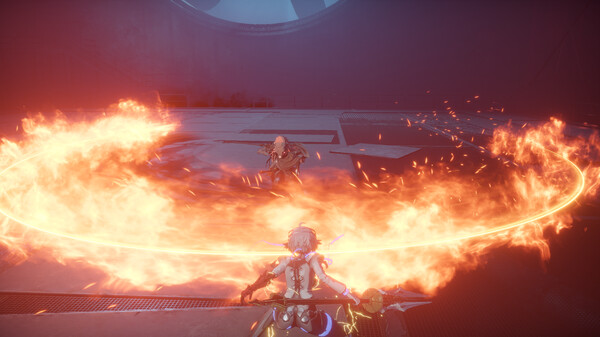
Combat is where AI Limit aims to make its mark. Mixing fast-paced melee combat with spell-like abilities and ranged tools, the system allows for flexibility, letting players experiment with various weapon pairings and “Sync Rate” boosts to gain temporary power advantages. It’s a responsive and surprisingly deep system once it opens up, rewarding aggression and timing over defense. However, the game’s pacing gets in its own way sometimes, as new mechanics take a while to unlock, and early encounters don’t provide the feedback or rhythm necessary to hook players right away, making it a bit of a slow burn even though it’s worth the wait.
Boss battles, a defining trait of the genre, vary widely in quality. Some deliver on spectacle and intensity, but others suffer from unbalanced difficulty spikes or animation issues that can frustrate rather than challenge. The lack of polish in some of these encounters – especially when enemy behavior feels erratic or visually unclear – can cause momentum to stall. There’s a noticeable gap between the game’s intent and execution in these key moments, which can be disappointing for a game that draws so heavily from the Soulslike playbook.
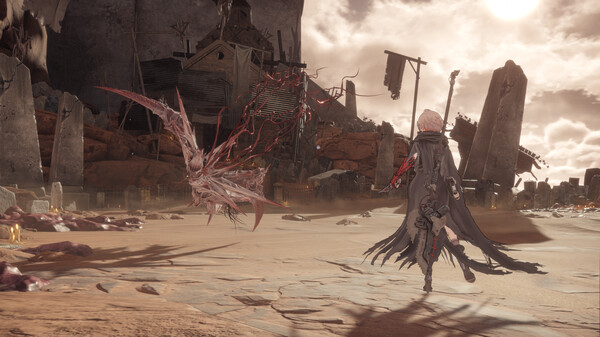
Exploration fares better, with layered environments that hide plenty of secrets, gear upgrades, and lore fragments. The ability to uncover relics of a lost civilization offers narrative breadcrumbs that help piece together the bigger picture, and customizable weapons and armor ensure a degree of personalization. The gear system not only enhances stats but also allows for visual customization, which helps keep progression feeling worthwhile and personal even when story beats underwhelm.
Unfortunately, AI Limit is also held back by its technical performance, with issues like occasional stuttering, texture pop-ins, and underwhelming facial animations. Audio design is similarly hit-and-miss: the soundtrack ranges from haunting to forgettable, and sound effects can lack impact, weakening the immersion during key combat scenes. There are times where AI Limit is very impressive, but also moments where more audiovisual polish would have been welcome.
Despite its flaws, AI Limit manages to carve out a space for itself as a game with strong ideas that just fall short of greatness. It’s a title that shows promise in its systems and setting, but one that also highlights the gap between inspiration and polish. Fans of the genre may still find enjoyment in its experimentation and grim sci-fi aesthetic, but expectations should be tempered – this is a journey that’s compelling, but too inconsistent in execution to stand among the genre greats.
Score: 7.4/10
 Press Play Media