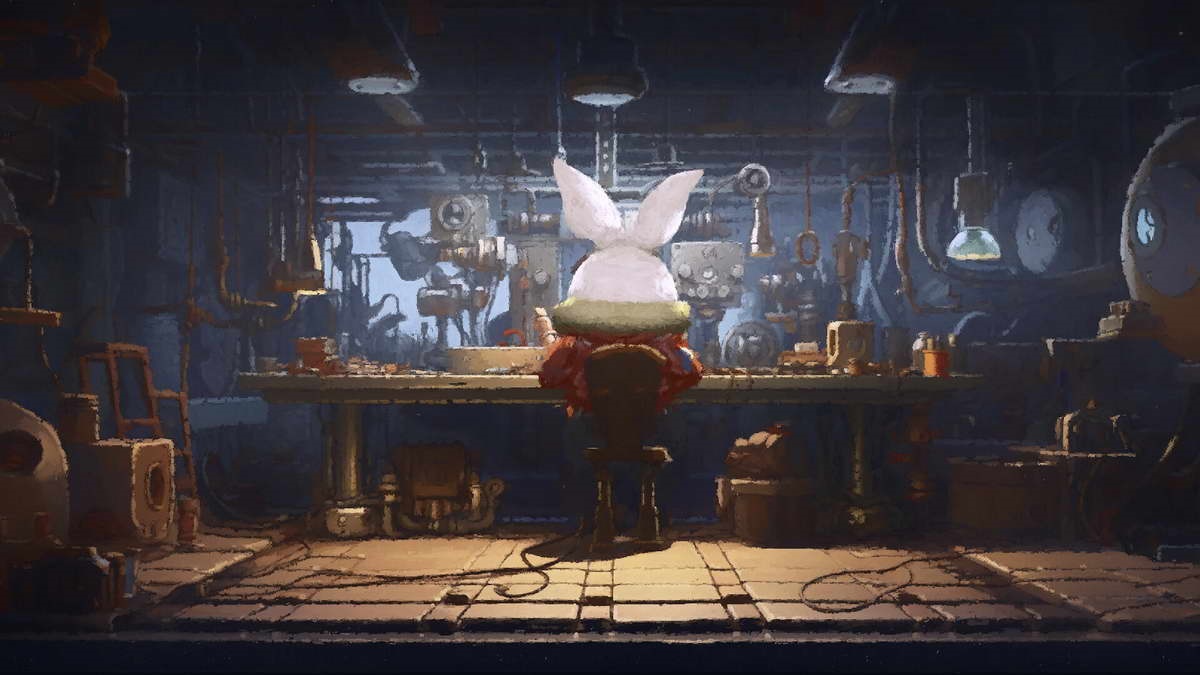
In a gaming landscape saturated with sequels, remakes and familiar tropes, Rusty Rabbit emerges as a distinctive title that blends post-apocalyptic storytelling with Metroidvania gameplay. Developed by Nitroplus and published by NetEase, this side-scrolling action adventure offers a unique experience on all platforms, including the PlayStation 5.
At the heart of Rusty Rabbit is Stamp, an aging, grumpy rabbit with a surprising amount of heart. Piloting his trusty mech, Junkster, Stamp delves into the industrial ruins of Smokestack Mountain in search of clues about his long-lost daughter. The narrative is steeped in melancholy and mystery, and while the game doesn’t always offer expansive world-building, the premise of a rabbit society evolving around the forgotten relics of humankind is a clever and memorable twist. Stamp’s personal motivation adds emotional weight, especially as the story progresses and the fragmented messages he uncovers start to reveal more about his past and the world’s fate.
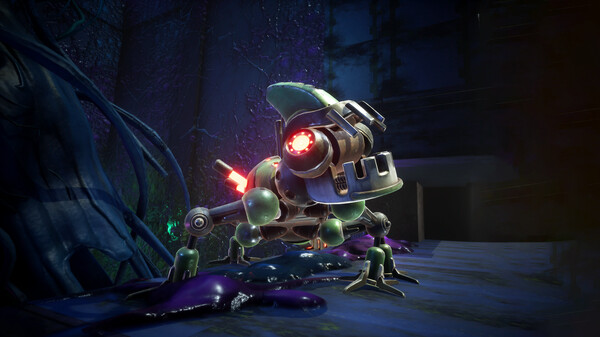
Gameplay in Rusty Rabbit leans heavily into traditional Metroidvania conventions – exploration, backtracking, and unlocking new paths through acquired upgrades. Stamp’s mech is central to both navigation and combat, with fast-paced dashes and smashes used to traverse terrain and fight off hostile creatures. There’s a satisfying sense of momentum once you get into the rhythm of combat and movement, but there are moments where the controls falter under pressure, particularly during tighter platforming sequences or more frantic combat encounters. Still, the customization system helps mix things up, letting you upgrade both the mech and Stamp’s abilities using salvage gathered from your runs.
Visually, Rusty Rabbit sets itself apart with a vibrant, stylized look that’s both whimsical and post-apocalyptic. The industrial ruins contrast nicely with the expressive character designs, bringing a distinctive flair to the world. It’s not an especially high-budget production, but the art direction is strong enough to carry the experience. What really stands out, though, is the voice acting – particularly the performance by Takaya Kuroda, who brings a grounded intensity to Stamp that makes him more than just a gruff old-timer. His delivery lends credibility and charm to a character who could have easily become a one-note stereotype.
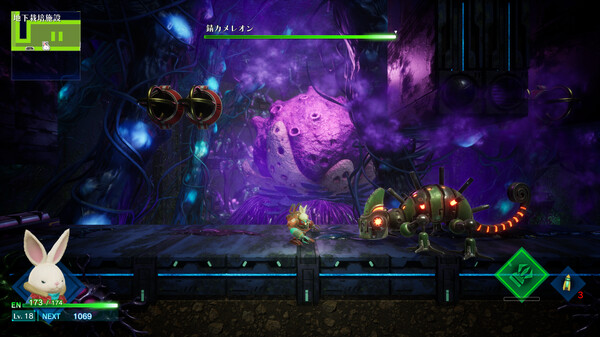
As much as the game has going for it, not everything hits the mark. The pacing can be inconsistent, with long stretches of exploration that occasionally lack variety. The story is intriguing but somewhat front-loaded and may leave players wanting a deeper payoff in the later chapters. Likewise, the RPG systems are serviceable but don’t offer much depth beyond basic upgrades and crafting. It’s clear the focus was more on atmosphere and personality than deep mechanical complexity, which may or may not resonate depending on what players are looking for.
That said, Rusty Rabbit’s charm lies in its eccentric premise and heartfelt execution. It’s not a genre-defining release, but it is a bold and creative take on familiar mechanics, packaged in a world that feels both strange and oddly relatable. With Stamp’s dry wit and a setting that playfully critiques and reimagines humanity’s legacy, there’s a lot here for players willing to dig a little deeper.
Score: 7.5/10
 Press Play Media