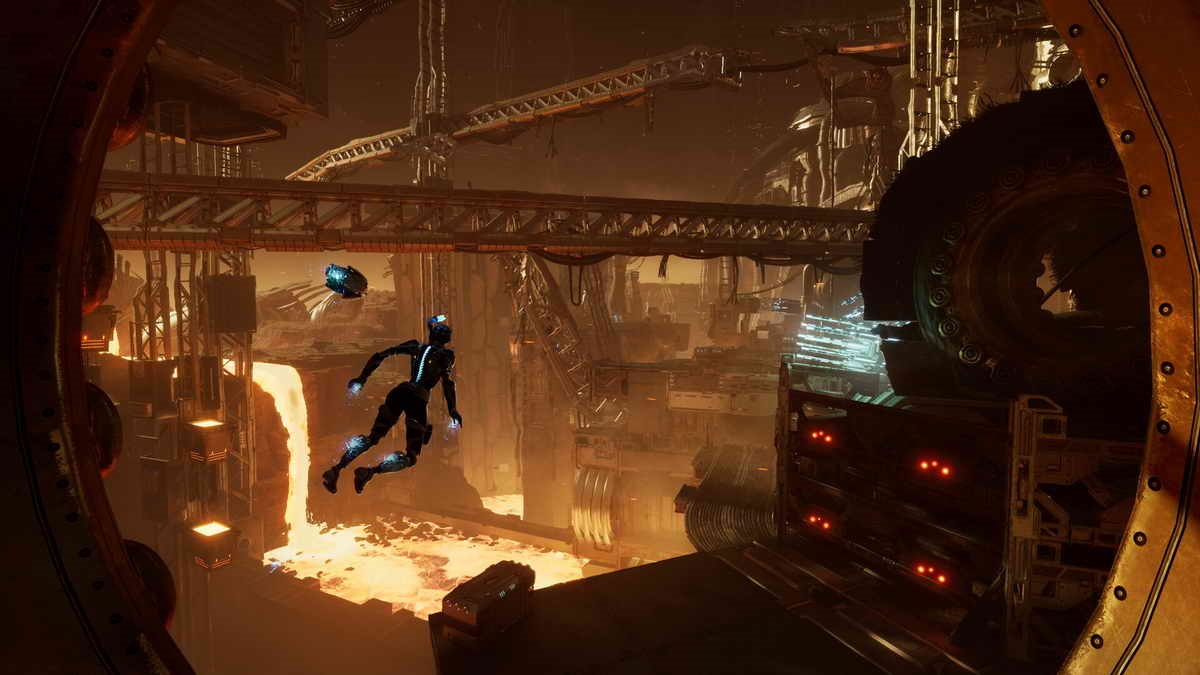
Set in a post-apocalyptic world shaped by both technological ambition and the fragility of humanity, Steel Seed marks a return to narrative-driven design for Storm in a Teacup, the studio behind Close to the Sun – but in a much more action-oriented genre. Released on PlayStation 5 and published by ESDigital Games, the game follows Zoe, a determined young woman exploring a colossal underground complex dominated by machines. Accompanied by Koby, a hovering drone companion, her journey is driven by a desire to uncover hidden truths in a hostile world. While the setting delivers a striking dystopian atmosphere and an interesting human-machine dynamic, the narrative doesn’t always reach the emotional highs it aims for. The worldbuilding is visually rich and thematically ambitious, but some of the storytelling beats can feel underdeveloped compared to some of the studio’s previous work.
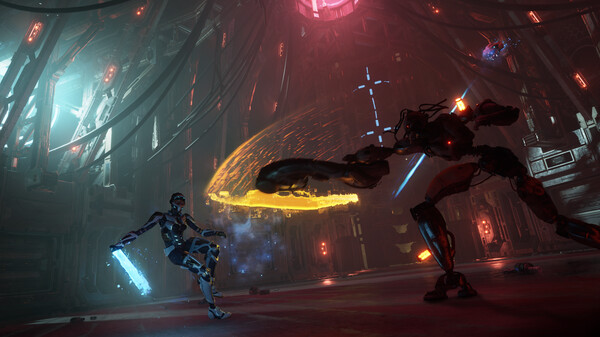
Narrative elements often serve as a backdrop for what is ultimately a stealth-action experience rooted in exploration and strategic engagement. The game’s blend of stealth, platforming, and combat encourages adaptive playstyles. Whether players lean into the shadows or confront enemies head-on, the upgrade system offers meaningful choices with skill trees that influence Zoe’s capabilities. However, the stealth mechanics can sometimes feel overly punishing, especially due to seemingly inconsistent AI detection and the limited feedback the game gives when you’re spotted. These hiccups aside, the satisfaction of sneaking past patrols or using the environment to turn the tide in combat offers several standout moments.
Zoe’s relationship with Koby adds a welcome dynamic, both narratively and in terms of gameplay. Koby isn’t just window dressing – it plays an active role in puzzle-solving, combat assistance, and traversal. It’s a smart design decision that enhances the rhythm of the game’s slower, more contemplative sections. This companion system is reminiscent of other genre classics but gains traction through clever puzzle integrations and subtle emotional development. That said, the puzzles themselves range from well-conceived to somewhat repetitive, with some challenges and mechanics failing to evolve much as the game progresses.
Traversal and parkour play a major role in how players navigate the facility, and this system, while functional, can occasionally feel stiffer than expected. There’s an emphasis on verticality and movement, but Zoe’s animations sometimes lack the fluidity needed to make platforming sections feel truly exhilarating. These rough edges are most noticeable when transitioning between stealth and movement, as control responsiveness can falter during more frantic sequences. Still, the environments themselves are thoughtfully laid out, with diverse biomes and vertical arenas that maintain a sense of discovery throughout.
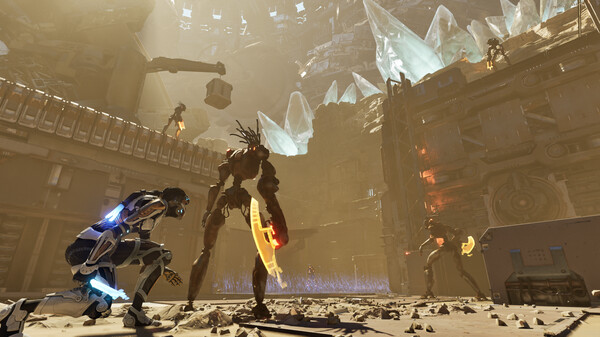
Visually, Steel Seed delivers a strong presentation bolstered by its use of lighting and atmosphere – showcasing Storm in a Teacup’s expertise in this area. Industrial corridors, neon-lit passages, and eerie biodomes paint a cohesive vision of a world built for machines, not humans. The sense of scale and isolation is palpable, and it’s easy to feel immersed in Zoe’s mission as a result. Performance on the PlayStation 5 is generally stable, though some frame rate dips and texture pop-ins were noted during complex scenes. Audio design also adds to the experience, with a subdued yet haunting score that fits the mood perfectly. Voice acting is competent, if not always emotionally resonant, and Koby’s subtle chirps help add character without relying on dialogue.
Despite its technical and design limitations, Steel Seed manages to carve out a compelling niche in the stealth-action space. It may not rival genre-defining titles, but its thematic focus, layered environments, and companion mechanics give it a personality that’s easy to appreciate. The ambition is clearly visible, even when certain systems – like its inconsistent AI or occasionally clunky traversal – don’t fully support the game’s broader vision.
Steel Seed is ultimately a bold step for Storm in a Teacup. It doesn’t just imitate genre tropes – it tries to reshape them through character-driven storytelling, stealth-infused gameplay, and companion mechanics that add emotional weight. While there’s still room for refinement, especially in terms of pacing and polish, the game lays down a solid foundation that could easily serve as a stepping stone for even more impactful future titles from the developer.
Score: 7.5/10
 Press Play Media