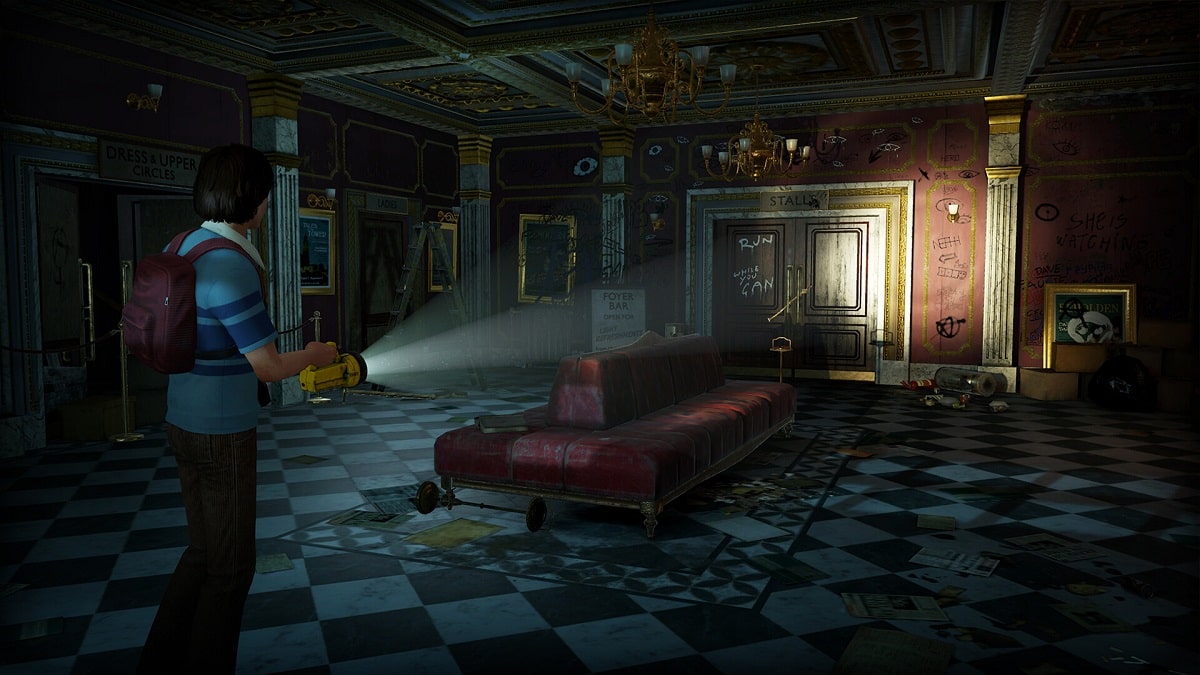
Fireproof Games, renowned for their acclaimed “The Room” series, ventures into the realm of virtual reality once more with Ghost Town, a single-player puzzle adventure designed exclusively for the Meta Quest platform. Set against the backdrop of a remote Scottish island, players step into the shoes of Edith, a paranormal detective on a quest to uncover the mystery behind her brother’s disappearance. The game’s narrative unfolds through immersive exploration and intricate puzzles, creating a compelling experience that intertwines the supernatural with personal stakes.
The gameplay mechanics of Ghost Town are thoughtfully crafted to leverage the capabilities of VR. Players utilize motion controllers to interact with the environment, solve tactile puzzles, and engage with both living and spectral characters. The hand-tracking feature, while innovative, occasionally lacks precision (as it often does in today’s VR games), leading to moments where traditional controllers offer a more reliable experience. Nonetheless, the game’s design encourages players to physically engage with their surroundings, enhancing immersion and making each puzzle feel like a tangible challenge.

Visually, Ghost Town delivers a rich and atmospheric world that captures the eerie beauty of its setting. The detailed environments and dynamic lighting contribute to a sense of place that is both haunting and captivating, with some of the best visuals you’ll find on a Quest headset. Audio design plays a pivotal role in building tension, with a soundscape that includes subtle ambient noises and a haunting musical score, effectively drawing players deeper into the game’s mysterious narrative.
One of the standout aspects of Ghost Town is its storytelling approach. Rather than relying on extensive exposition, the game reveals its narrative through environmental cues, character interactions, and the gradual uncovering of clues. This method of storytelling invites players to piece together the mystery themselves, fostering a deeper connection to the unfolding events and the protagonist’s emotional journey in an immersive way fitting of the VR format.

However, the game is not without its shortcomings. Some puzzles can be obscure, potentially leading to frustration for players who prefer a more guided experience. Additionally, while the hand-tracking feature adds a layer of immersion, its occasional inconsistencies can disrupt the flow of gameplay – though this is more of a current tech issue than a design issue. These rough edges, though minor, highlight areas where further refinement could enhance the overall experience.
In conclusion, Ghost Town stands as a testament to Fireproof Games’ ability to craft engaging and atmospheric puzzle adventures. Its successful adaptation of their signature style to the VR medium results in a game that is both familiar and refreshingly new – something that taps into the classic escape room experience while becoming more than that. While there are areas that could benefit from improvement, particularly in control precision and puzzle clarity, the game’s strengths in storytelling, atmosphere, and immersive gameplay make it an essential addition to the Meta Quest library.
Score: 8.7/10
 Press Play Media