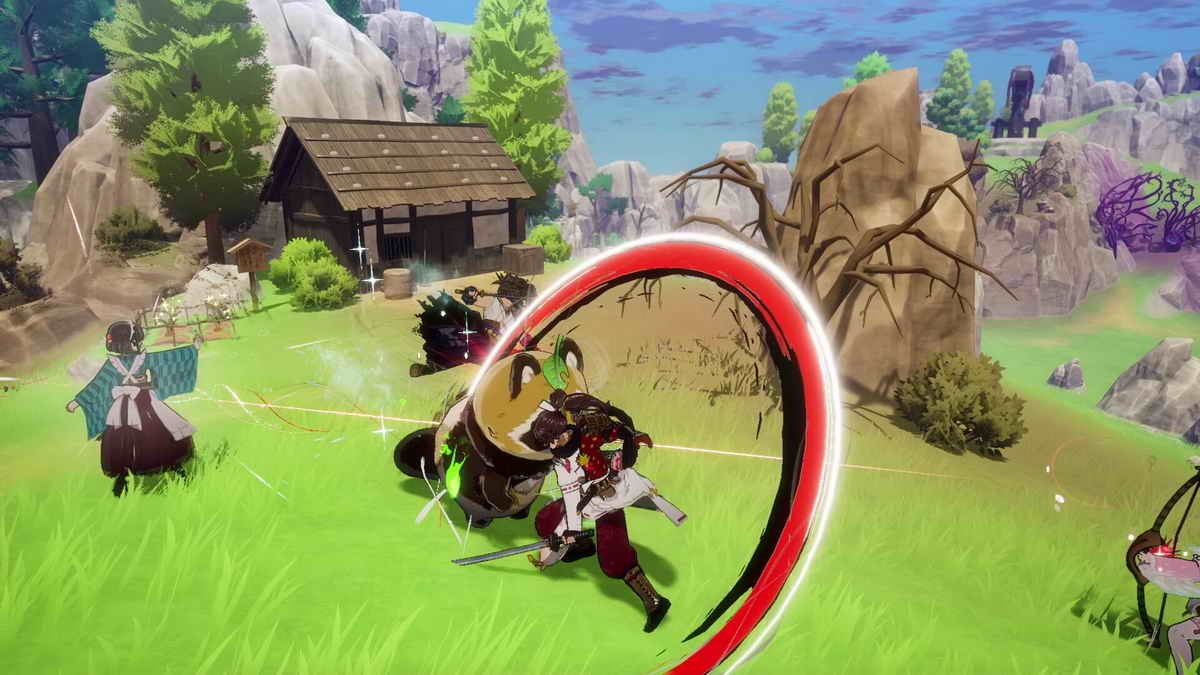
Rune Factory: Guardians of Azuma marks a bold departure for the long-running series, introducing a Japanese-inspired setting and a suite of new mechanics that breathe fresh life into its familiar blend of farming, combat, and relationship-building. Set in the war-torn land of Azuma, the game casts players as an amnesiac Earth Dancer tasked with purifying the blighted land and restoring its four seasonal villages. While the narrative treads some well-worn JRPG tropes, the cultural shift and expanded gameplay systems offer a revitalizing experience for both newcomers and series veterans. We tested it on a Nintendo Switch.
The most striking change is the game’s setting. Departing from the Western-inspired locales of previous entries, Azuma is steeped in Japanese culture, from its architecture and festivals to its music and mythical creatures. This cultural infusion isn’t just aesthetic; it permeates gameplay as well. As an Earth Dancer, players wield sacred instruments like drums and parasols to perform dances that both cleanse corruption and aid in farming. This thematic cohesion enhances immersion, making the world feel more interconnected and alive.
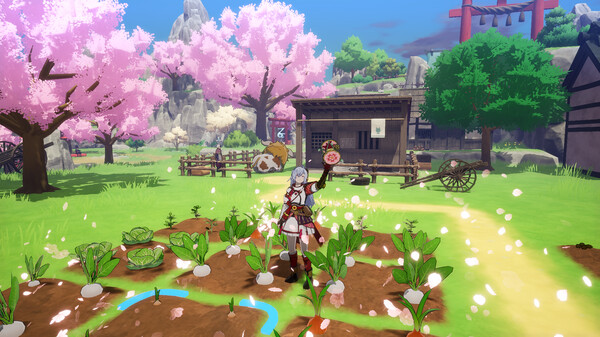
Gameplay-wise, Guardians of Azuma expands upon the series’ traditional mechanics. Beyond tending to crops, players are now responsible for rebuilding and managing entire villages. Each village, representing a different season, offers unique resources and challenges. Villagers actively participate in the restoration efforts, manning shops and assisting with farming tasks, which fosters a sense of community and shared purpose. This shift from individual farm management to communal development adds depth and variety to the gameplay loop.
Combat has also seen enhancements. The introduction of new weapons like bows and talismans, along with a more dynamic battle system, allows for varied strategies and playstyles. Players can recruit up to six companions, including villagers and even monsters, to aid in battles, adding a layer of tactical depth. However, enemy variety is lacking, with palette-swapped foes and repetitive boss encounters diminishing the excitement over time.
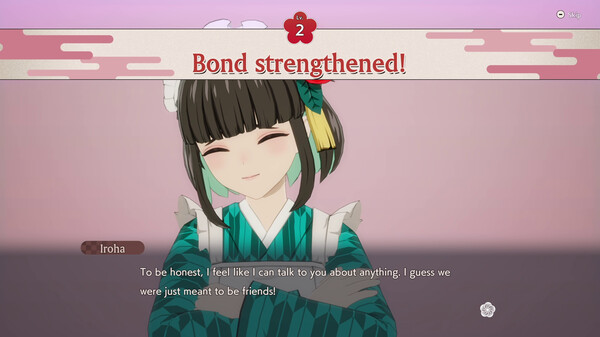
The game’s relationship mechanics remain a core feature. With 16 romanceable characters, players can build bonds through interactions and quests, eventually inviting partners to join in combat. These relationships are more than superficial; they influence gameplay and narrative outcomes, adding emotional weight to player choices. While some character arcs may feel clichéd, the overall system enriches the game’s social dynamics.
Visually, Guardians of Azuma employs a vibrant cel-shaded art style that complements its thematic shift. The seasonal villages are distinct and beautifully rendered, each with its own atmosphere and cultural elements. The soundtrack, infused with traditional Japanese instruments, further immerses players in the setting. However, the game’s pacing can be uneven, with a slow start that may deter some players unfamiliar with Rune Factory’s usual loops before the narrative gains momentum.
In conclusion, Rune Factory: Guardians of Azuma successfully reinvents the series by embracing a new cultural backdrop and expanding its gameplay systems. While it stumbles in areas like enemy variety and pacing, its innovations in village management, combat, and world-building make it a standout entry. For fans seeking a fresh take on the franchise, Guardians of Azuma offers a rich and rewarding experience.
Score: 8.0/10
 Press Play Media
One thought on “Rune Factory: Guardians of Azuma review (Switch)”