It’s time to dust off those VR headsets again, as we check out Wordomi, the new Star Wars-themed DLC for Maestro and Hidden Pictures: Agent Q.
Wordomi review (Quest)
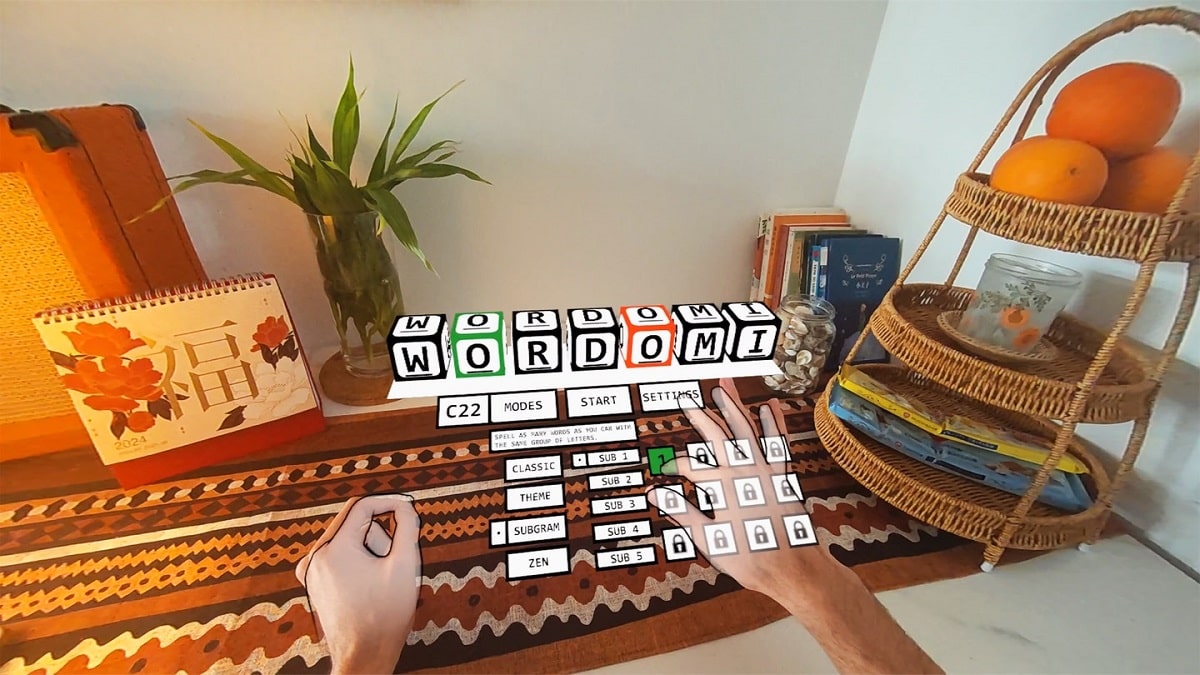
Wordomi brings a fresh twist to VR puzzling by merging familiar wordplay mechanics with mixed reality interaction, and on Meta Quest it’s a concept that largely succeeds in its execution. Its combination of Wordle-style deduction with the flexibility of crossword solving gives the game a relaxed yet mentally stimulating rhythm, perfect for short or focused sessions. There’s no narrative driving the experience, but the mix of Classic, Subgram, Theme, and daily challenge modes keeps things from feeling repetitive over the 100+ included levels.
What really stands out is the thoughtful implementation of VR-native features in an experience usually associated with mobile games. Wordomi supports hand tracking well, offering a tactile, intuitive experience for spelling out words letter by letter. Mixed reality integration, especially with passthrough on Quest 3 and Pro, helps ground the puzzles in your surroundings, and it’s easy to play casually from anywhere – whether you’re at a desk or sprawled on a sofa. The simple, calming visuals and subtle sound design work in its favor too, giving off a gentle, zen-like atmosphere that complements the gameplay style.

That said, some limitations do hold Wordomi back from true greatness. The difficulty curve can feel uneven, especially in Theme mode where the constraints are more demanding. While hand tracking is impressive, occasional recognition hiccups can interrupt the flow, and there’s little in the way of accessibility customization for those who prefer traditional inputs. Aesthetically, the game is minimal by design but may come across as plain or repetitive over long sessions for players craving more visual variety, so this is a ‘short bursts’ kind of title for us.
Still, for word puzzle fans looking for a novel VR experience, Wordomi carves out a distinctive niche. It’s polished, relaxing, and genuinely inventive in how it uses VR to reimagine a classic genre. And with its randomized word sequences, daily updates, and varied modes, it’s a solid long-term addition to any Meta Quest owner’s library – especially if you’re the kind of player who enjoys flexing their vocabulary muscles in new ways.
Maestro – Duel of the Fates DLC review (PSVR2/Quest)
Maestro has always stood out as a rhythm game with a difference – less about slashing to the beat and more about conducting a full symphony with style. With the release of the Duel of the Fates expansion on Meta Quest, the game gets one of its flashiest content updates yet, letting you quite literally take the podium as a galactic maestro. The addition of John Williams’ iconic Duel of the Fates is the centerpiece here, and for fans of Star Wars, it’s an electrifying and immersive experience to conduct your virtual orchestra with a light saber-style baton.
The update doesn’t stop at just one track, though. The new stage “Fields of Fate” is visually impressive, adding weight to the orchestral fantasy that Maestro already delivers so well. It’s also great that this isn’t limited to paying players – free improvements to the base game’s visuals and user experience have rolled out for all, which shows commendable post-launch support. Playing with hand tracking still feels great, and even though the challenge ramps up, it never feels unfair. The game continues to be one of VR’s more elegant rhythm alternatives – less arcade chaos, more conductor’s craft.
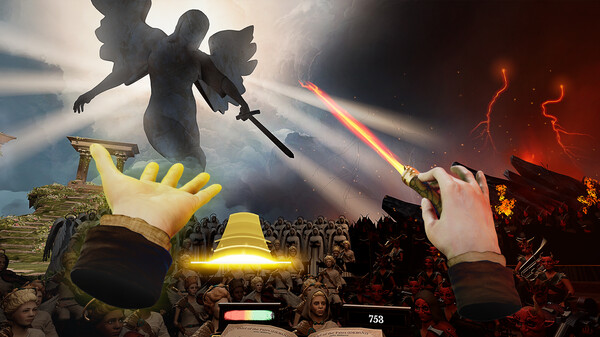
That said, the Duel of the Fates DLC left us wanting more in one regard. It’s a shame that the selection didn’t include The Imperial March or the main Star Wars theme, both of which would have felt right at home in Maestro’s grandiose setting. Their absence is felt, especially considering how well this first track integrates into the game’s style and spectacle.
Still, what’s here is beautifully executed. The blend of music, motion, and spectacle in Maestro’s Star Wars expansion raises the bar for crossover rhythm DLC, and it makes a strong case for the platform’s ability to deliver cinematic awe. Whether you’re a series veteran or just discovering the baton for the first time, this update is a rousing reminder of why Maestro remains one of the most original experiences in VR.
Hidden Pictures: Agent Q review (Quest)
Hidden Pictures: Agent Q brings the classic “find the hidden object” formula into VR with a playful twist, turning your Meta Quest headset into a passport for an intergalactic scavenger hunt. Designed with family-friendly charm and colorful detail, it smartly blends traditional puzzling with light storytelling, tasking you – as Agent Q – with recovering fragments of the powerful Galaxy Orbs across a wide variety of themed dioramas. Each world has its own local flavor, from neon-drenched megacities to spooky Halloween zones, and the bustling miniature environments make for a delightful visual playground – a bit like The Curious Tale of the Stolen Pets.
The core gameplay loop is both simple and satisfying: spot the right item, complete side quests from locals (called “Muddles”), and keep the Tumai space pirates at bay. The Muddles help populate each scene with just enough personality, making puzzle-solving feel connected to a larger, albeit light, narrative. The developers keep things fresh by mixing in rhythm games, timed challenges, and even boss encounters that demand a bit more focus. While the difficulty generally leans easy, especially for puzzle veterans, the variety of modes – Adventure, Puzzle, and Boss – ensures there’s always a reason to dive back in.

VR implementation is a clear highlight. Tracking is reliable, and the controls feel intuitive, especially when examining every corner of a diorama. Even smaller details, like how interactive elements are communicated, have been considered carefully. However, there are occasional moments where item placement or visual clutter can make a specific object relatively hard to spot – less because it’s cleverly hidden and more due to busy design. Still, that’s a minor hiccup in an otherwise smooth experience.
Visually, Agent Q is bright and polished, with cartoon-style art that works well in VR. The environments are rich without overwhelming your field of view, and the whimsical sound design supports the lighthearted tone. While it’s clear that the game is aimed at younger audiences or more casual players, its layered gameplay and VR-native charm make it enjoyable regardless of age.
For those seeking a break from intense action or more serious puzzle games, Hidden Pictures: Agent Q offers a charming alternative. It doesn’t revolutionize the genre, but it embraces VR’s strengths and delivers a relaxing, accessible puzzle adventure that shines brightest when you’re nose-deep in a busy little world full of secrets.
 Press Play Media