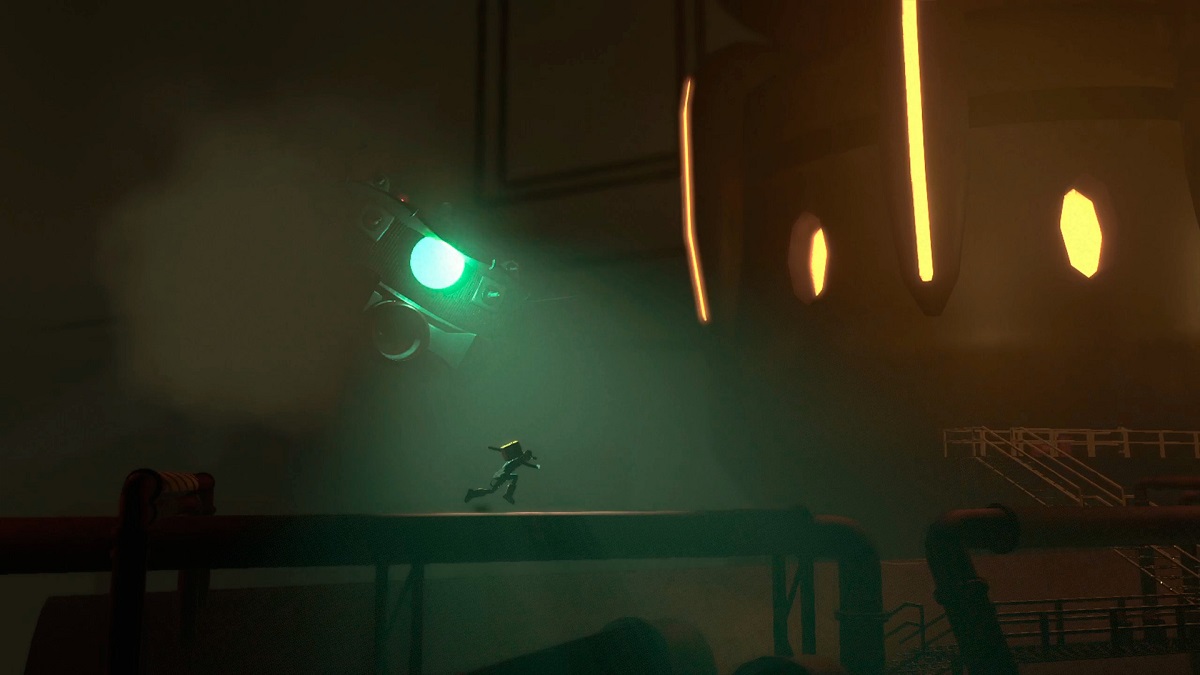
Antro is a game that wears its artistic angle on its sleeve. Set in a post-collapse world where society survives in a vertical underground dystopia beneath what was once Barcelona, Gatera Studio’s debut blends platforming and rhythm-infused action with a striking message about oppression, resistance, and expression. It’s as much about parkour and music as it is about sparking a revolution – and though not every element lands equally well, it’s an experience that commands attention.
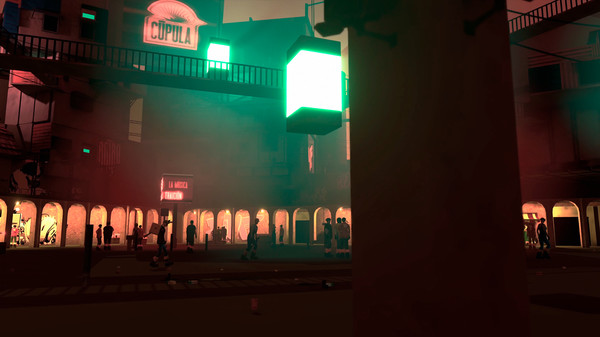
You play as Nittch, a lone delivery runner living in the squalid lower layers of the subterranean city known as Antro, where citizens are kept under the boot of La Cúpula – a techno-authoritarian regime that’s outlawed music, art, and virtually all personal freedoms. A package with mysterious contents sets Nittch on a journey from the lowest strata to the upper elite levels, and it’s during this journey that the game delivers its strongest narrative moments. While the storytelling leans on archetypes and doesn’t always flesh out its world as deeply as it could over its short runtime, its use of music as both theme and mechanic gives it real emotional weight.
At its core, Antro is a 2.5D platformer, but the genre tag only tells part of the story. There’s a blend of traditional platforming, light puzzles, and rhythm-based action sequences where movement syncs tightly to the game’s thumping soundtrack. This musicality isn’t a gimmick – it’s woven directly into the level design, and when it works, it creates an exhilarating fusion of momentum, flow and rhythm. Whether sprinting through collapsing corridors or vaulting across rooftop scaffolds, every beat feels like it matters. However, some sections suffer from imprecise controls or awkward transitions that make certain rhythm-based sprints feel more trial-and-error than intended.
The game’s use of hip hop, R&B and electronic music is a standout feature. The soundtrack not only supports gameplay but enriches the story’s emotional arc, with dynamic audio cues that sync with the protagonist’s pace and rising tension. The musical direction is consistently engaging, and it helps mask the repetition in some gameplay loops. Voice acting and sound design also deserve praise, giving the world of Antro a layered sense of mood, even when the environments themselves start to feel visually repetitive after a few hours.
Visually, Antro embraces a stark, monochromatic style punctuated by glowing neon accents and glitchy UI overlays. It’s atmospheric and matches the cyberpunk setting well, but the uniformity of environments – partly a consequence of the oppressive, tiered structure of Antro itself – can become visually monotonous in extended play sessions. Some areas stand out with clever use of lighting and geometry, especially in key rhythm sequences, but a greater variety in environmental design would have helped sustain visual interest.
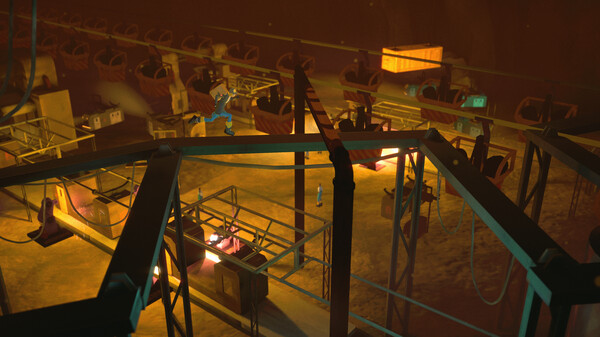
From a structural perspective, Antro is tightly focused. Its linear level design means the game rarely overstays its welcome, and it keeps introducing small gameplay wrinkles like vertical chases and quick-time events to mix up the pace. Still, it does suffer from occasional pacing hiccups – especially during exposition-heavy segments that slow the momentum – and a few set pieces repeat familiar platforming ideas without offering enough variation.
What ultimately elevates Antro is its unflinching commitment to concept. It doesn’t shy away from being political, or from treating music as more than aesthetic. The integration of rhythm into gameplay isn’t just a mechanic – it’s a symbol of resistance, of reclaiming expression in a world that’s tried to erase it. The final act especially leans into this metaphor, creating a satisfying, if somewhat abrupt, climax to Nittch’s journey.
Antro may not be perfect, but it’s bold, stylish, and sonically rich – a rhythm-platformer hybrid with something to say and a pulsing beat behind its every step. In a crowded indie landscape, that’s more than enough to leave an impression.
Score: 7.1/10
 Press Play Media