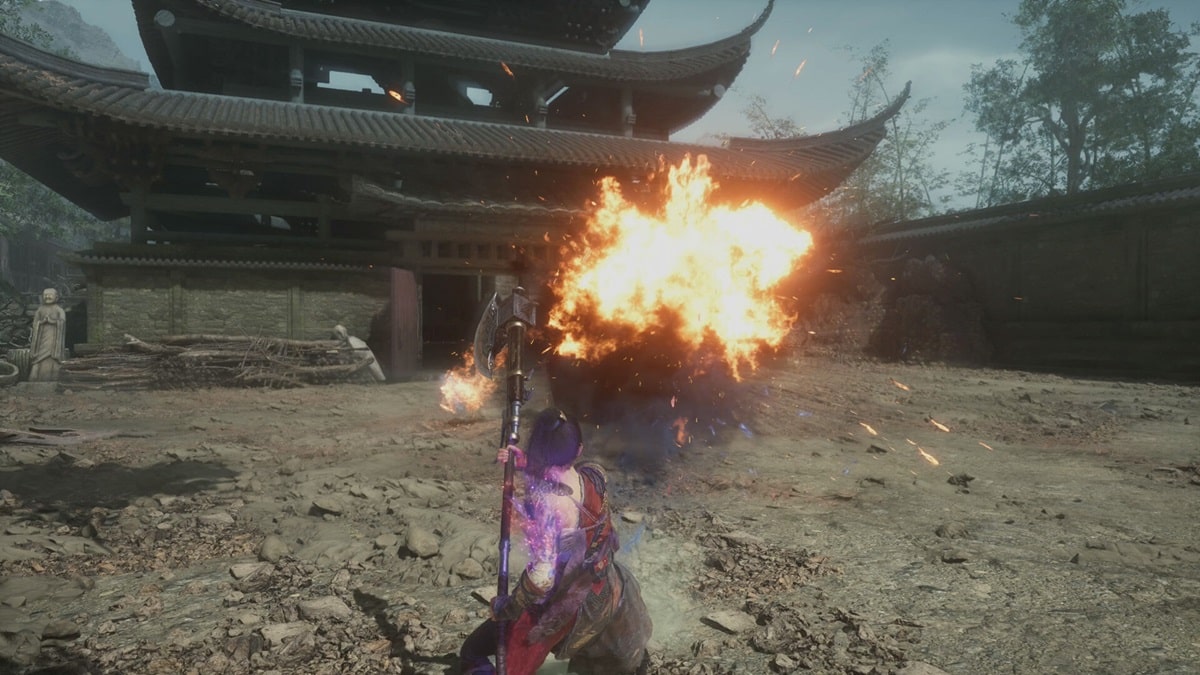
With WUCHANG: Fallen Feathers, developer Leenzee steps into the crowded arena of soulslike action RPGs, blending historical fantasy with grotesque horror for a dark tale rooted in history. Set in the twilight of China’s Ming Dynasty, the game crafts a bleak world of civil unrest and supernatural corruption – a fertile ground for its genre inspirations. While it clearly draws from titles like Bloodborne and Sekiro, WUCHANG attempts to carve out its own space through unique lore, a mysterious protagonist, and a feathered twist on the familiar decay of humanity.
The premise is immediately intriguing: you play as Wuchang, a pirate afflicted by a strange mutation known as Feathering. Amnesiac and haunted by spectral visions, her journey through the war-torn region of Shu sets the stage for a narrative filled with ambiguity and player-driven decisions. Unfortunately, while the setting is ripe with atmosphere and the lore itself is compelling, the storytelling stumbles in execution. Dialogue is often stiff, the pacing falters, and emotional stakes can feel distant, weakening the impact of the multiple endings that depend on player choices.

Gameplay fares better, particularly in the moment-to-moment combat. Players can wield a variety of melee weapons and equip elemental enhancements to tailor their playstyle, with a familiar dodge-parry rhythm that feels satisfying once mastered. A standout mechanic is the way skills evolve through sacrifice – using Red Mercury to trade health or progress for power, adding a risky but rewarding dynamic to character growth. However, the combat is not without issues: certain enemy patterns feel too similar, the AI lacks polish, and hit detection sometimes fails to register correctly, which can turn a close and tense battle into a frustrating one.
Controls on PS5 are generally responsive, with good use of adaptive triggers and haptics, but camera tracking can be a persistent problem in tighter environments. Especially during boss fights, it’s not uncommon for the camera to lose the player’s target or clip through geometry – an annoyance that can compromise the otherwise well-designed encounters. Despite these hiccups, the boss battles themselves are a high point, combining grotesque design with challenging, phase-based structure that rewards patience and observation.
Visually, WUCHANG: Fallen Feathers impresses more often than not. The decaying forests, haunted villages, and derelict temples of Shu are dripping with atmosphere, and enemy designs echo twisted interpretations of Chinese folklore with sickly creativity. Lighting effects and environmental detail shine in still moments, even if animations and texture streaming occasionally break the spell. Meanwhile, the haunting soundtrack fits the tone perfectly, with eerie string arrangements and ambient unease underscoring the desolation. Voice acting, however, is less consistent – some characters convey urgency and dread, while others come across as flat or oddly disconnected from the scene.
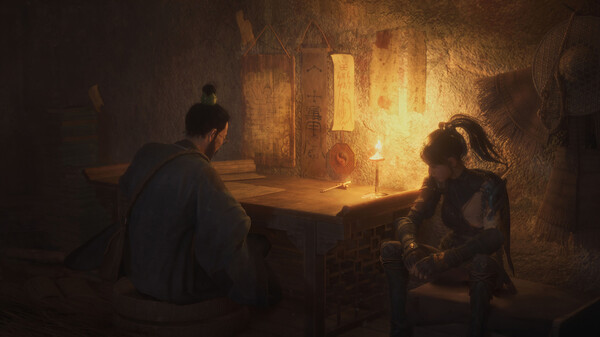
Where the game truly sets itself apart is in its commitment to aesthetic consistency and world-building, despite its budget limitations. It’s not as polished as some of its AAA counterparts, and its pacing and technical issues hold it back from greatness, but it offers a surprisingly expansive journey. From corrupted humans to spectral beasts, WUCHANG fills its world with threats that feel both historical and supernatural, all while tying its combat and progression to the underlying theme of decay – physical, moral, and societal.
For fans of soulslikes looking for a new spin on familiar gameplay, WUCHANG: Fallen Feathers is a commendable effort from a studio punching above its weight. It doesn’t reinvent the genre, and its narrative missteps and technical flaws may frustrate some, but its rich setting, varied combat, and standout boss designs make it a worthwhile detour on the road less traveled. Those willing to look past its rough edges will find a game that, like its protagonist, may be wounded but still stands tall.
Score: 7.7/10
 Press Play Media