
Set within the decaying remnants of a once-glamorous Hollywood mansion, Dead Take is a psychological horror game that blurs the line between industry satire and immersive storytelling. Developed by Surgent Studios and published by Pocketpair, it invites players to step into the shoes of an actor searching for a missing friend, only to uncover the sinister undertones lurking beneath the surface of showbiz. Though it doesn’t always land its more ambitious ideas, Dead Take makes a strong impression through its unique setting, atmospheric direction, and inventive narrative structure.
The game’s core hook lies in its fragmented storytelling. As players search the mansion, they’ll find corrupted video files on memory cards and USB drives that can be reassembled to slowly reveal the truth behind last night’s party – and perhaps the industry at large. It’s a creative way to unfold a mystery, one that rewards observation and attention to detail. Yet it can also feel disjointed at times, especially when players are unsure which clips are essential and which are just flavor. That occasional lack of clarity can momentarily pull you out of the tension the game works so hard to build.
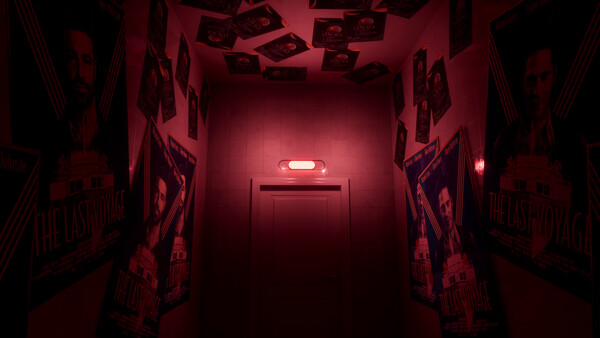
From a gameplay perspective, Dead Take isn’t about combat or fast-paced action. Instead, it leans heavily into exploration, puzzle-solving, and environmental storytelling. Navigating the mansion feels deliberate and eerie, with shifting lighting and cryptic decor pulling players deeper into its web of half-truths. The game also subtly tracks player behavior, making the house feel almost alive in its responses – a touch that adds depth but isn’t always explained well, leaving some mechanics underutilized or mysterious in ways that aren’t always satisfying.
Controls are mostly intuitive, with smooth first-person movement and minimal UI to distract from the experience. However, there are moments where the interaction prompts feel imprecise, particularly when trying to align clips or activate certain hotspots. A few glitches were seen as well, such as inconsistent object detection or clipping issues, which slightly dampen immersion. Still, these are generally minor (and fixable) annoyances in a game that otherwise maintains a solid technical foundation.

Visually, Dead Take captures its haunted Hollywood vibe with flair. The environments drip with moody lighting, faux-opulence, and a sense of faded grandeur. Set pieces like the broken cinema and lavish bedrooms are loaded with detail, making exploration feel like sifting through the forgotten memories of a dream factory turned nightmare. The visual storytelling is further supported by strong audio work – from subtle ambient noises to unnerving whispers and a soundtrack that plays with dissonance and silence to great effect. Voice acting is sparing but effective, adding to the film-set atmosphere the game is trying to play into and unravel.
What ultimately makes Dead Take compelling is how confidently it weaves its critique of the entertainment industry into the horror experience. It’s not just about jump scares – it’s about exploitation, the illusion of fame, and the darker costs of ambition. Not every narrative beat lands, and the pacing can drag during less impactful sequences, but the game earns credit for aiming higher than the genre’s usual tropes. It may not appeal to players looking for conventional horror gameplay, but for those drawn to layered stories and surreal tension, Dead Take offers something distinct – a slow-burn descent into the terrifying machinery behind the silver screen.
Score: 8.0/10
 Press Play Media