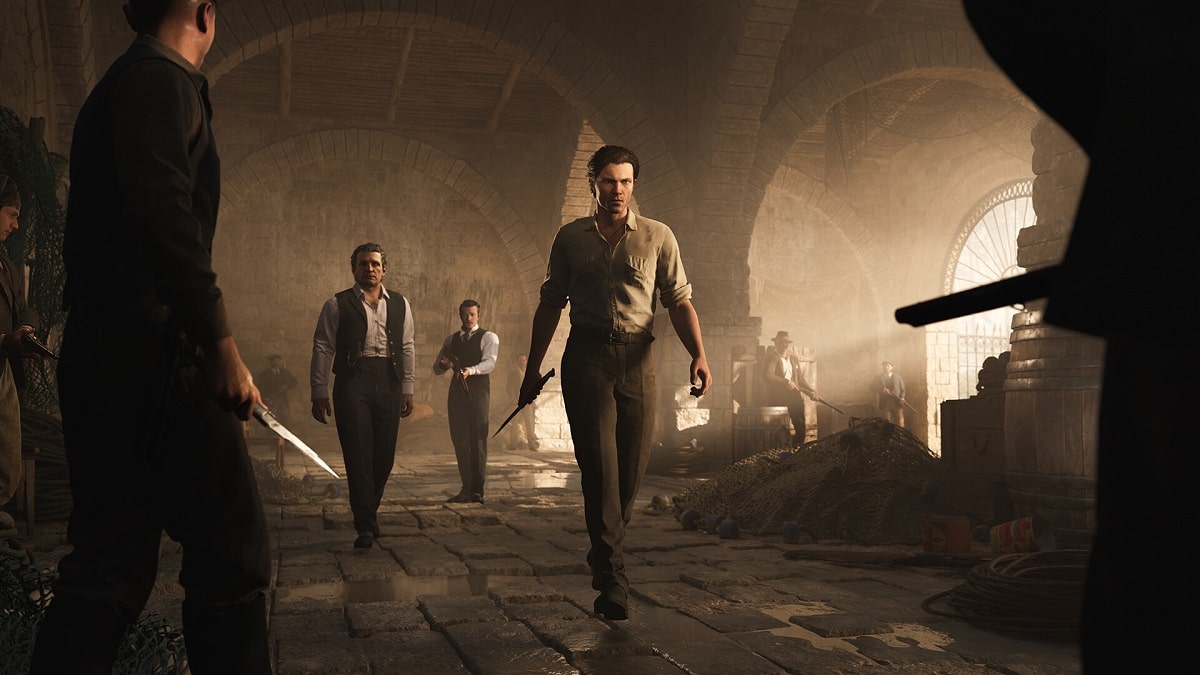
For more than two decades, the Mafia series has built its reputation on a mix of historical authenticity, grounded storytelling, and cinematic flair. Mafia: The Old Country, developed by Hangar 13 and published by 2K, shifts the scene from the American underworld to the less explored early 1900s Sicily – a setting rich with opportunity for both beauty and brutality. It’s a prequel of sorts, but rather than feeling like a small side note, it digs into the roots of the organisation that would later take hold in the US.
The story follows Enzo Favara, a man forged in hardship who finds a twisted kind of hope in the Torrisi crime family. His climb from impoverished labourer to trusted mafioso is filled with betrayals, bloody oaths, and small victories, all wrapped in a narrative that leans heavily on mood and atmosphere. When The Old Country hits its stride, it delivers tense conversations in candlelit taverns, ambushes in dusty olive groves, and desperate escapes through narrow, sunbaked streets. But the pacing can falter, as certain chapters linger too long without pushing the plot forward, leaving players waiting for the next dramatic turn.
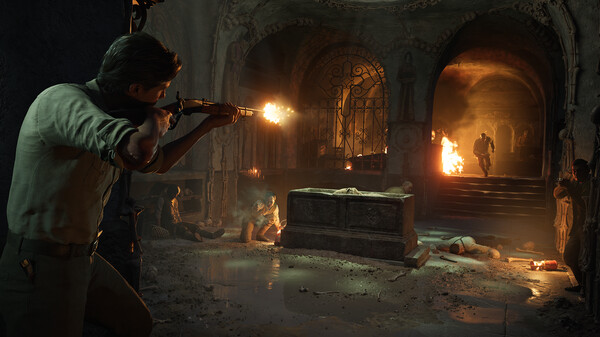
Gameplay sits firmly in third-person action-adventure territory, with a blend of cover-based shooting, melee combat, and stealth – fans of Mafia 3 will be right at home. Early missions lean into close-range fights, making knives, stilettos, and sawn-off shotguns the weapons of choice, but firearms become more prominent later on. The stealth mechanics – while functional – lack the depth and fluidity seen in some genre peers, and enemy AI can be inconsistent, sometimes sharp and other times strangely passive. That said, the mission design makes smart use of the historical setting, sending you on horseback chases, sabotaging rural estates, and navigating claustrophobic village alleys where a single mistake can be fatal.
Controls are generally responsive, but the transition between melee and gunplay can feel clunky, and horseback handling – while authentic in its weight – takes some getting used to. The Old Country also struggles occasionally with pacing in its action sequences, where prolonged waves of enemies can dull the intensity rather than heighten it when it starts to drag a bit.
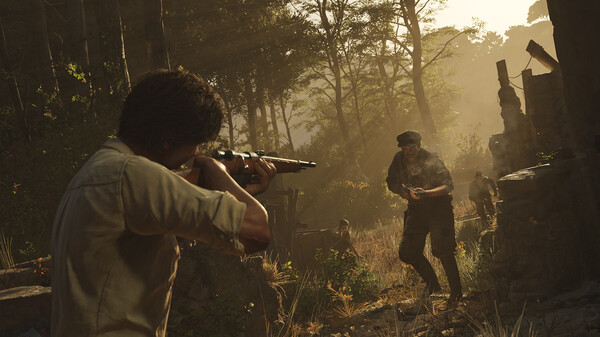
Visually, this is one of Hangar 13’s strongest works. The Sicilian countryside is rendered with an almost painterly attention to detail – rolling hills dotted with cypress trees, crumbling stone farmhouses, and harbours bustling with early 20th-century life. The lighting work is exceptional, with golden sunsets and candlelit interiors giving scenes a warm, cinematic quality. The audio design is equally impressive, from the soft murmur of dialect-heavy conversations to the sharp crack of a lupara. The orchestral score blends traditional Sicilian motifs with tense, brooding undertones, perfectly complementing the drama on screen – though it doesn’t soar to the heights of the excellent soundtracks of the previous game with its brilliant lineup of licensed 60s music.
Mafia: The Old Country is an atmospheric, often gripping return to the series’ roots, but one that occasionally stumbles over uneven pacing and gameplay inconsistencies. For fans, it’s a chance to see the foundation of the Mafia mythos in a setting that feels both fresh and true to the brand. For newcomers, it’s an engaging – if imperfect – entry point, offering a story worth seeing through even when the mechanics don’t always match the storytelling’s high ambitions.
Score: 8.0/10
 Press Play Media