
This week’s batch of DLCs offers something for every virtual table-top and mini-golf enthusiast, from classic pinball thrills to immersive VR city strolls. Zen Studios continues to refine its Williams and Tomb Raider packs for Pinball FX, balancing nostalgia with fresh mechanics and polished visuals across PS5 and Meta Quest. Meanwhile, Walkabout Mini Golf’s Tokyo expansion delivers a serene, detail-rich VR course that blends traditional and modern Japanese aesthetics with thoughtfully designed holes and seamless flow. Whether you’re chasing high scores or simply savoring atmosphere, this round of DLC releases demonstrates how small additions can make a big impact on both gameplay and immersion.
Pinball FX – Williams Pinball Volume 9 review (PS5/Quest)
Williams Pinball Volume 9 is a compact but varied trio that feels like a mini-tour through different eras of Williams design. On PS5 the tables look crisp and read clearly in motion; Zen’s physics feel familiar and satisfying, and the optional visual “enhancements” can be toggled off if you prefer a purist look. The same pack is also available in Pinball FX VR on Meta Quest, where the 3D depth notably improves immersion, at a small expense to visual clarity.
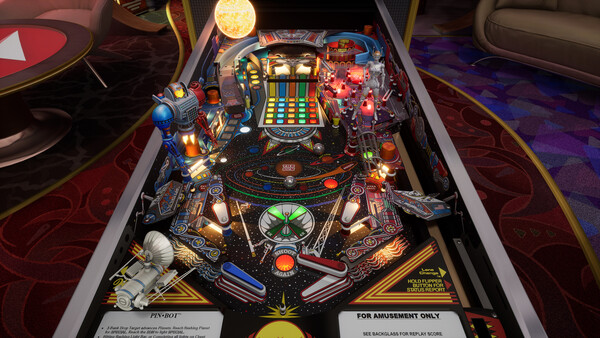
Pin•Bot (1986) remains a smart, slightly austere classic. Its identity-defining visor/matrix dance into a two-ball multiball is still a thrill, but the real scoring rhythm often comes from methodically advancing the planets for chunky end-of-ball bonuses. It’s snappier than it looks once you’re timing the left targets and in-lane/lighted standup, though the lack of a modern ball-save can feel unforgiving by today’s standards.
Taxi (1988) is an easy recommendation: a charming ruleset built around picking up and dropping off five ‘celebrity’ passengers culminating in jackpot runs. The spinout skill shot, simple multiball, and constant “one more run” loop keep momentum high. Zen’s enhancements are less successful here though: the little cab model that circles above the pop-bumpers looks cute but can obscure the rollover inserts.
Who Dunnit (1995) brings a pulpy 1930s noir vibe, with randomized victims/suspects across cases and a central elevator/slot-machine pairing that gives it a distinctive cadence. It’s playful – answering the phone during chases is fun – but the roulette side game literally gambles with your score, which those who don’t like random elements will hate. There’s no true wizard-mode crescendo after solving all five cases either, which can make longer sessions feel flat when they wrap up.
Across the pack, controls on PS5 are responsive and consistent – flipper timing and nudge sensitivity feel dialed in – and the audio work lands: callouts and table effects pop without drowning each other out. Performance parity between flat-screen and VR is strong; we didn’t notice meaningful slowdowns in either, and the VR “cabinet” perspective adds welcome immersion for those who own a Quest.
In the end, Taxi and Pin•Bot are the crowd-pleasers, and Who Dunnit is a stylish wildcard that may divide players. On PS5 you get sharp presentation and snappy feel; on Meta Quest you gain depth and presence. If you’re already invested in Zen’s Williams line, this is an easy pickup; newcomers will find a well-rounded sampler that respects the originals while letting you choose how modern you want the presentation to be.
Walkabout Mini Golf: Tokyo DLC review (Quest)
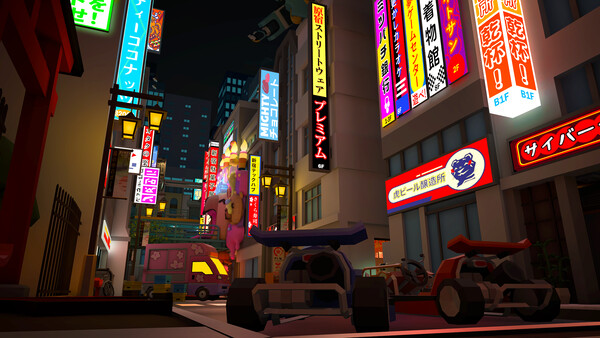
Walkabout Mini Golf’s Tokyo DLC, published by Mighty Coconut and reviewed here on Meta Quest, captures that feeling of drifting from lantern-lit alleyways to neon boulevards in a single, playful stroll. The course strings together cozy markets, backstreet food stalls, bustling transit hubs, and a serene climb towards a shrine in a way that almost feels like a vacation scrapbook rather than a checklist, with little winks to local culture sprinkled throughout. It’s evocative without leaning on stereotypes, and the light sense of progression across districts gives the round a gentle narrative arc.
On the green, it’s Walkabout at its usual best: approachable physics that reward touch and tempo, with hole designs that invite experimentation – banking off corners, riding ramps, and finding high‑risk lines for big rewards. Flow from hole to hole is smooth and thoughtful, and the course rarely wastes a view. If there’s a caveat, a few setups ask for more precision than newcomers might expect, and the scavenger hunt for hidden balls feels trickier than average this time – which may be fun for collectors, but might pose a speed bump for casual players.
Controls remain a strong suit on Quest: putter contact reads cleanly, alignment feels intuitive, and it’s easy to settle into a rhythm after a handful of strokes. In tighter scenes you may occasionally adjust your stance to keep tracking happy, but the course itself is laid out to minimize awkward angles. The net effect is that every putt feel deserved.
Tokyo’s presentation is the star. The art direction blends modern glow and traditional textures without visual clutter, and those scene transitions – slipping from arcades to trains to quiet courtyards – are handled with a seamlessness that makes the round feel like one continuous walk. The audio mix complements it perfectly: a relaxed score under ambient city chatter, rail rumbles, and arcade bleeps, all tuned to mood rather than noise. On Quest, it delivers that “just one more hole” vibe partly because you just want to see what’s around the next corner.
Value-wise, it’s an easy add. Priced around £3, this is a generous slice of atmosphere and clever routing for the cost, and series fans will find it slots comfortably among the more memorable courses. If you’re hunting for a radical mechanical shakeup, Tokyo sticks to classic Walkabout fundamentals; if you’re here for immersion, silky flow, and shot-making that flatters finesse, it’s a must‑play stop on the tour.
Pinball FX – Tomb Raider Pinball review (PS5/Quest)
With two packs to review, Pinball fans are in luck this week, as Zen Studios’ Tomb Raider Pinball pack for Pinball FX brings Lara Croft’s world to the flippers with two distinct tables that balance nostalgia with fresh mechanical twists. On PlayStation 5, both “Adventures of Lara Croft” and “Secrets of Croft Manor” feel like playable tributes, weaving in nods to classic moments from across the series without leaning too heavily on fan service. The first table takes players on a globe‑trotting mission structure, with modes themed after different eras of the franchise and clever shot layouts that reward precision and timing. The second shifts the action homeward, packing Croft Manor with faster ramps, trickier lanes, and interactive mini‑games that channel the series’ puzzle‑solving spirit.

The core pinball physics remain as solid as ever, with responsive flippers and a satisfying sense of weight to the ball. Some ramps can be unforgiving, and certain stop‑and‑go moments break the flow, but they often trigger fun set‑pieces or mini‑games that make the pause worthwhile. Visually, the tables are richly detailed, from animated set‑pieces like a miniature Lara diving across the playfield to environmental flourishes that frame the action without overwhelming it. The audio mix blends the iconic Tomb Raider theme with ambient effects and voice lines, adding to the sense of inhabiting Lara’s world.
While this review focuses on the PS5 version, it’s worth noting that the same tables are also available in Pinball FX VR on Meta Quest, where the surrounding arcade and 3D table elements add another layer of immersion. Whether you’re chasing wizard modes or just soaking in the atmosphere, this DLC delivers a faithful, engaging crossover – though its higher‑difficulty shots may test the patience of newcomers as much as they thrill seasoned players.
 Press Play Media