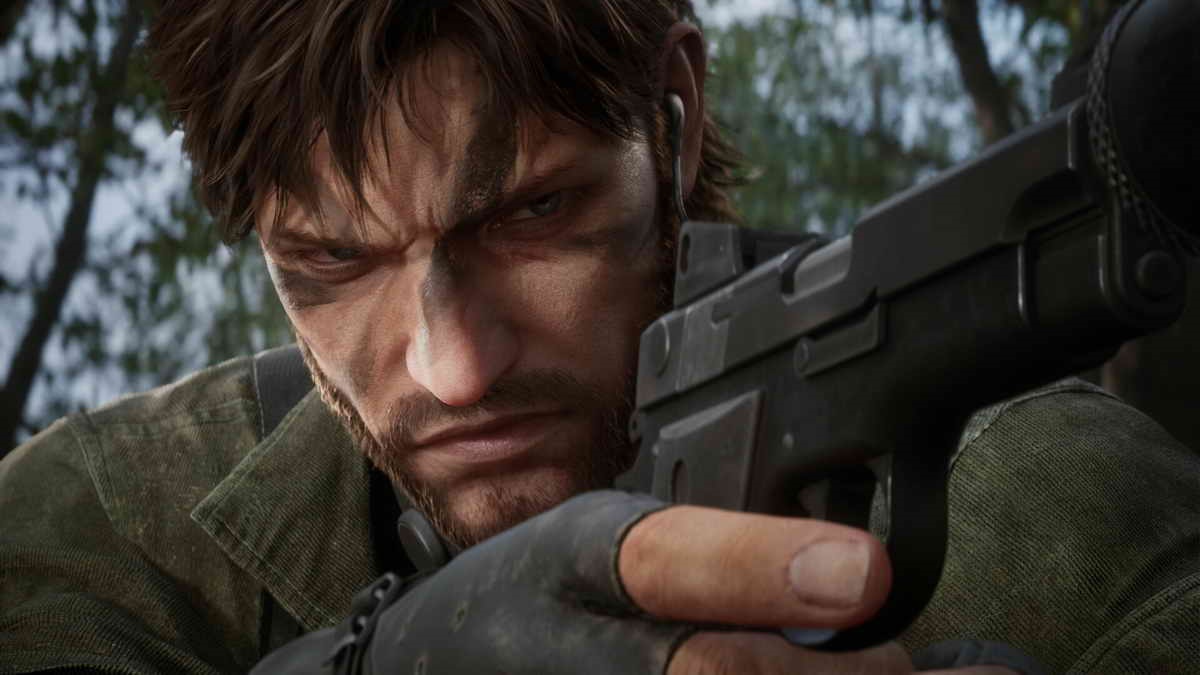
For years, Metal Gear Solid 3: Snake Eater has been regarded not just as a series highlight, but as one of the finest stealth action games ever made. With Metal Gear Solid Δ: Snake Eater, Konami faced the daunting task of remaking a classic that still holds up remarkably well. The result is a lavishly produced experience that both preserves the soul of the original and reimagines it with a level of visual and audio fidelity that makes its Cold War-era jungle setting feel alive again.
The story remains the same, and rightly so. Naked Snake’s mission behind enemy lines, culminating in his emotional showdown with his mentor, is as powerful now as it was in 2004. The game’s narrative was always about more than espionage – betrayal, loyalty, and the cost of duty remain at the heart of the experience. For newcomers, this remake serves as a perfect entry point to the origins of Big Boss, while longtime fans will likely rediscover details they may have forgotten. The performances are intact, with familiar voices lending weight to the drama, though some might wish for a more daring reinterpretation instead of a faithful recreation.

Where Delta makes its strongest case for existing is in its presentation. Powered by Unreal Engine 5, the jungle feels hostile and untamed in a way the PlayStation 2 could only ever suggest. Lush foliage reacts dynamically to Snake’s movements, lighting shifts as clouds roll overhead, and small details like bloodied wounds or torn camouflage contribute to the sense that this is survival as much as stealth. Character models in particular are stunning, with faces capable of subtle expressions that bring extra poignancy to cutscenes that players may already know by heart. Some visual oddities remain, like stiffness in secondary character animations, but on the whole it’s a striking transformation and gorgeous title.
Gameplay-wise, the remake preserves the original’s survival mechanics while modernizing the way players interact with them. Managing stamina, patching wounds, and experimenting with camouflage still gives Delta a sense of depth that few stealth games attempt, but the clunky menus of the past have been streamlined. A new control scheme brings the game more in line with modern stealth action titles, making close-quarters combat and gunplay more approachable without removing the challenge. Veterans can also opt for the classic layout, which is an excellent inclusion for purists. Still, some of the original quirks remain in both modes, such as occasional camera frustrations and the deliberate pace of certain mechanics, which may test players expecting faster action.
The additional content helps make Delta feel like more than just a visual facelift. The return of oddball extras like Snake vs Monkey and the reimagined Guy Savage nightmare add a welcome dose of eccentricity that’s very true to the series. Meanwhile, the Fox Hunt multiplayer mode could give the game legs beyond its story campaign if it delivers on its potential. While these extras don’t change the core experience, they enrich it in a way that acknowledges both the franchise’s heritage and its fanbase.

Audio design deserves special mention, as the 3D soundscape heightens the tension of crawling through the brush or hearing a guard crunch through leaves nearby. The original soundtrack is preserved in full, with its sweeping orchestral score and unforgettable theme song. Combined with the stronger environmental audio, it almost makes the jungle setting as much a character as any of the cast.
In the end, Metal Gear Solid Δ: Snake Eater succeeds where it matters most: it captures the magic of the original while making it accessible and inviting for a new generation. It may not reinvent the story or gameplay systems in dramatic ways, but that restraint is part of its strength. This is less about reinterpreting history and more about preserving it with the tools of today – ensuring that Snake’s mission, and the emotional gut punch at its conclusion, can resonate just as powerfully in 2025 as it did two decades ago.
Score: 8.7/10
 Press Play Media