
Few names in the world of arcade shoot ’em ups carry as much weight as Toaplan. The studio’s arcade output in the ’80s and ’90s didn’t just help define the genre, it laid the groundwork for what came after, from the bullet-hell chaos of Cave to the console shmups of the 16-bit era. With two hefty compilations now available on PlayStation 5, Toaplan Arcade Collection Vol.1 and Vol.2, these classics return in style, offering 16 games that remind us why the developer’s legacy still resonates today.
Across both volumes you get an impressive range of titles, from early, more straightforward shooters like Tiger Heli and Twin Hawk to later, more complex efforts like Batsugun and Grind Stormer. It’s a snapshot of a studio evolving, with Volume 1 leaning slightly more into experimentation – mixing ground-breaking designs like Out Zone and FixEight alongside aerial shooters – while Volume 2 delivers some of Toaplan’s most iconic vertical shmups, including Truxton and the excellent Zero Wing. There’s a real sense of history here, and for fans of the genre, it’s fascinating to trace the arc of Toaplan’s design philosophy across the two sets.

Of course, age is a factor, and not every game has aged equally well. Some of the earlier titles feel stiff compared to modern shmups, with limited weapon variety or repetitive enemy patterns. Playing them today, they can come across more as curiosities than timeless masterpieces, especially when stacked against the more ambitious later games in the collections. But when Toaplan hit its stride – Batsugun’s proto-bullet hell intensity, Truxton II’s visual spectacle, or the tight risk-reward mechanics of Vimana – the results still feel high quality even decades later.
The good news is that both collections come with thoughtful modern enhancements that make revisiting these classics far more accessible. You can tweak difficulty, apply screen filters, or even use save states and rewind features to soften the punishing arcade roots. Online leaderboards inject new life into chasing high scores, making it feel like these games are once again competing for bragging rights among players worldwide. The presentation is clean and functional, though some may wish for more archival extras, such as behind-the-scenes material or museum-style features that could put these titles in greater historical context.
Controls are crisp and responsive on the PS5, which is crucial given how demanding some of these games are. The DualSense doesn’t reinvent the experience, but it does its job well, with no noticeable input lag to get in the way. In terms of audio-visual presentation, the pixel art and chunky explosions of Toaplan’s shooters remain charming, and the option to tweak filters lets you choose between a crisp modern display or something closer to a CRT arcade cabinet. The soundtracks, full of high-energy chiptunes, still drive the action forward, though repetition sets in with some of the earlier entries.
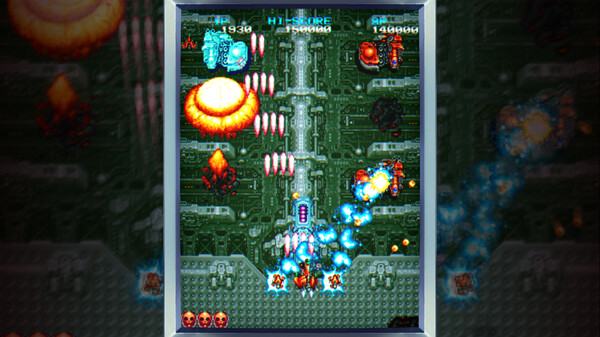
Perhaps the biggest takeaway is that these collections strike a delicate balance between preservation and playability. They’re not exhaustive anthologies and some fans may lament missing titles, but between the two volumes, you get many of Toaplan’s most beloved works. For genre enthusiasts, this is a treasure trove; for newcomers, it’s a challenging but rewarding history lesson in why shmups once ruled arcades.
Taken together, Toaplan Arcade Collection Vol.1 and Vol.2 are excellent reminders of how enduring great design can be. Not every game here is a classic, but as a combined package they showcase the highs, quirks, and evolution of one of the most influential studios in arcade history. Whether you’re here for the nostalgia, the leaderboards, or simply to discover why names like Truxton and Batsugun still echo through shmup circles, these collections make a compelling case for keeping Toaplan’s legacy alive.
Score: 8.0/10
 Press Play Media