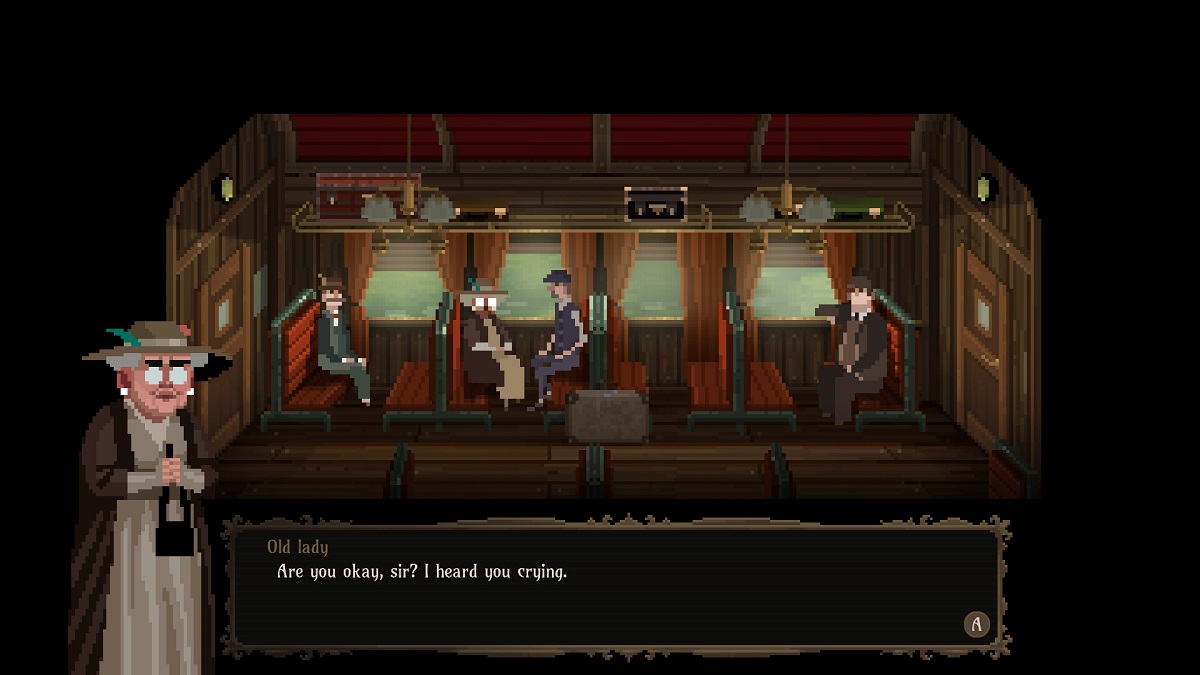
Indiesruption’s Vlad Circus: Curse of Asmodeus arrives as both a continuation and a reimagining of the macabre world the studio first introduced back in 2022. Published by Blowfish Studios, it’s a horror-tinged narrative adventure that doubles down on psychological unease while adding a new layer of experimental mechanics built around mirrors, shifting timelines, and fractured memories. It’s a haunting, imaginative experience that leans heavily into atmosphere, though not without a few rough edges.
At its core, Curse of Asmodeus tells the story of Josef Petrescu, who awakens burned, voiceless, and stripped of his past. As the brother of Vlad and reluctant heir to the cursed circus empire, his journey isn’t so much about reclaiming power as it is about navigating trauma and the supernatural scars that linger over San Reno. The writing pushes Josef’s plight as a deeply personal descent, and the journals you collect serve to slowly stitch together a puzzle that’s equal parts tragedy and cosmic horror. There’s a strong gothic flavor throughout, with shades of religious fanaticism and parasitic demons that feel like something out of an old fever dream. The narrative ambition is one of the game’s biggest strengths, though it occasionally falters with uneven pacing between revelations and extended stretches of wandering.
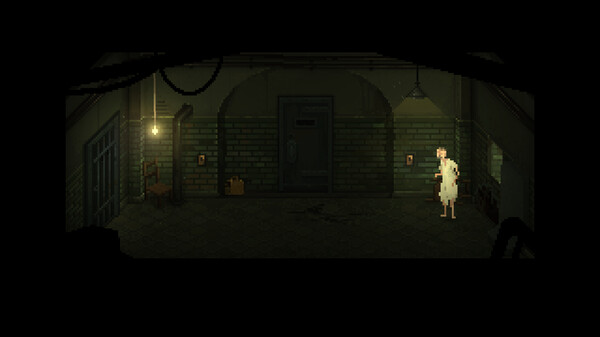
Mechanically, the most distinctive feature is the mirror system, which lets Josef pass between timelines and versions of reality. This adds both intrigue and tension, as flipping between worlds isn’t just a visual trick but a way of piecing together story fragments and unlocking progression. At its best, it gives the game a surreal, Silent Hill-like vibe, where each mirrored version of a location deepens the sense of dread. The flipside is that the implementation can sometimes feel more like a gimmick than a fully fleshed-out mechanic, with occasional repetition and backtracking dulling the effect. A handful of light puzzles and short bursts of survival mechanics keep things varied, but those expecting a steady drip of action might find the pace slow.
What’s impossible to overlook, however, is the atmosphere. Curse of Asmodeus uses pixel art in a way that’s less nostalgic and more oppressive, blending traditional 2D stylization with dynamic lighting and audio that feel modern and suffocating. Torches flicker, shadows consume corners, and sound design constantly toys with your nerves – whispers, creaks, and guttural howls feed into the sense that Josef is being stalked not just by demons, but by his own fractured sanity. There are moments where the visuals and audio elevate the experience beyond its technical simplicity, though animation and control responsiveness occasionally betray the limitations of the engine, breaking immersion in tense sequences.

Performance on PlayStation 5 is generally stable, and the use of the DualSense adds some welcome subtle touches – haptics and adaptive triggers accentuate tension when manipulating objects or bracing against fear-inducing moments. Still, movement can feel clunky, with an old-school adventure game stiffness that may frustrate players more accustomed to fluid control schemes.
Taken as a whole, Vlad Circus: Curse of Asmodeus is the kind of horror narrative experience that values mood and metaphor over polish. It’s messy at times, with mechanics that don’t always match the ambition of the storytelling, but its unsettling world and inventive use of mirrors make it hard to forget. For players who enjoyed Descend into Madness or those looking for a horror game that leans into the psychological and the surreal rather than the purely visceral, this sequel-prequel hybrid will be worth stepping into – even if the reflection staring back isn’t always pretty.
Score: 7.3/10
 Press Play Media