
Cronos: The New Dawn is Bloober Team’s latest dive into survival horror, and on PlayStation 5 it feels like a game built around both its striking atmosphere and its demanding mechanics. At its core, this is a story about survival across two timelines, shifting between a devastated, retro-futurist wasteland and 1980s Poland on the brink of catastrophe. That duality gives the game a distinctive personality, marrying Eastern European brutalism with a dystopian sci-fi aesthetic that feels both oppressive and captivating. It’s a setting that immediately sets the tone for a game that wants to challenge you as much narratively as mechanically.
The narrative revolves around a Traveler working for the mysterious Collective, tasked with salvaging lost essences of the past to alter a bleak future. While the broad strokes lean into familiar post-apocalyptic tropes, Cronos distinguishes itself with its focus on the consequences of “The Change” and its thematic use of time travel. The mechanic of harvesting souls, which haunt your character while strengthening them, adds a psychological edge to the storytelling. That said, the game occasionally struggles with pacing, as the jumps between timelines don’t always feel as seamless as intended. When it does work, however, the contrast between the eerie mundanity of 1980s Poland and the grotesque horrors of the wasteland is powerful.
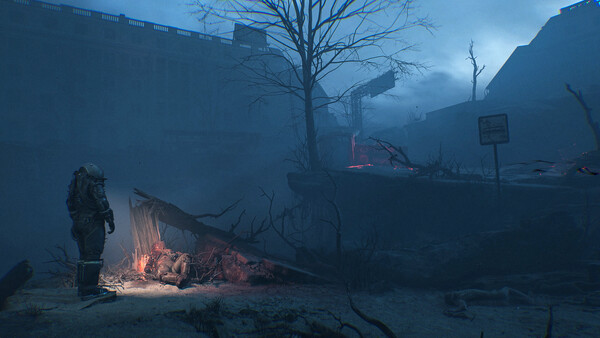
On the gameplay side, Cronos is firmly rooted in survival horror traditions but with some brutal twists of its own. The combat system is deliberate and tense, rewarding careful timing and resource management over button-mashing. Burning corpses to prevent enemies from merging into stronger abominations is an inspired mechanic, forcing players to constantly weigh their limited resources against immediate threats. It creates a constant sense of unease, as even a victory can spiral into a tougher challenge if you aren’t quick enough. However, the demanding nature of the combat and scarcity of supplies can also veer into frustration, particularly for players less accustomed to punishing systems.
Exploration ties neatly into this tension. Scavenging for supplies feels necessary rather than optional, and the manipulation of temporal anomalies gives players creative ways to navigate the world. The roguelike progression elements, while adding replayability, can also undercut the narrative flow, especially when repeated failures break the immersion. Still, when the systems align, there’s a genuine sense of satisfaction in surviving against the odds, bolstered by the variety of enemy types and the unique merging mechanic that keeps combat encounters unpredictable.
Visually, Cronos is striking if not always technically polished. The art direction, with its mix of brutalist architecture and decaying technology, is oppressive in the best possible way, while the creature design ensures that every encounter feels grotesque and memorable. Lighting is used effectively to build tension, with flickers and shadows constantly teasing at dangers unseen. On the audio side, the game excels – whispers from harvested souls and distorted environmental sounds add a layer of psychological unease that complements the visual horror. The soundtrack itself, sparse and moody, reinforces the feeling that safety is always just out of reach.
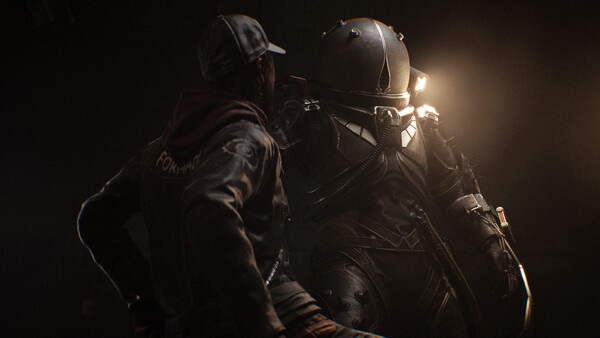
Controls are solid overall, with deliberate animations lending weight to both combat and exploration. The trade-off is that responsiveness can sometimes feel sluggish, particularly during frantic encounters where a single mistake is costly. This design choice clearly emphasizes tension and realism but may frustrate players used to snappier action. The PlayStation 5 version benefits from haptic feedback and adaptive triggers, which add welcome immersion to weapon use and environmental interaction, though they don’t fully offset the occasional stiffness in movement.
Cronos: The New Dawn is not a game that seeks to please everyone. It’s harsh, often punishing, and demands patience. Yet for those willing to endure its rough edges, it offers a survival horror experience steeped in atmosphere and innovation. The merging system, dual-timeline storytelling, and psychological touches make it stand out in a crowded genre, even if technical hiccups and uneven pacing keep it from reaching its full potential. It’s a game as unsettling as it is compelling, one that lingers with you long after the credits roll – much like the whispers of the souls you carry. A game of two halves in many ways, and one that soars when those two mesh.
Score: 8.0/10
 Press Play Media