
Tower defense might not be the first genre players associate with virtual reality, but Iron Guard: Salvation on Meta Quest shows how well the format can adapt to the headset. Developed by Xlab Digital, it takes the strategic placement and resource management of traditional tower defense and merges it with immersive VR combat. The result is a hybrid experience where you can hover above the battlefield as a commander one moment, then drop into the fray through your drone to unleash firepower directly the next. The premise is straightforward sci-fi – humanity at war with hostile machines across different planets – but it’s a solid excuse for a mix of strategic planning and hands-on action.
The campaign spans thirty handcrafted levels, each with its own environmental quirks and escalating waves of robotic enemies. What stands out here is how much flexibility the game offers: you can rely on careful turret placement, focus on resource harvesting, or actively take control through your drone. That sense of agency makes each encounter feel different, though it also means there’s a learning curve in juggling all the mechanics. For players who enjoy experimenting with builds and strategies, the depth is rewarding, but others may find the sheer number of options overwhelming at first.
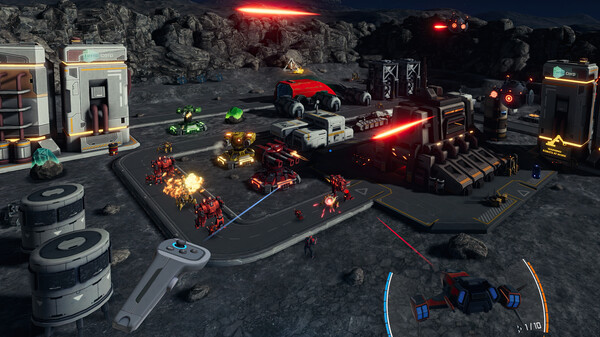
Variety in turrets and upgrades keeps the action fresh. With more than twenty-five turret types and the ability to reposition platforms mid-battle, you’re constantly adjusting to new threats. Enemies also adapt, forcing you to think on your feet instead of sticking to a single solution. The inclusion of hero units like Graves, Irina, and Mitchell adds another tactical layer, as their abilities can shift the tide in tougher encounters. On the downside, late-game missions can sometimes feel like they rely on grinding for the right upgrades, making progression a little uneven compared to the early, more balanced stages.
From a control perspective, Iron Guard: Salvation benefits from the natural fit of VR. Overhead commanding feels intuitive, with simple gestures to place and upgrade turrets, while dropping into the drone adds immediacy when you want to personally blast enemies. The dual approach prevents the game from becoming too passive, though switching modes in the middle of hectic battles can feel clunky. The pacing occasionally stumbles as well, with difficulty spikes that demand quick reflexes as well as perfect turret placement, which might frustrate players looking for a more relaxed tower defense experience.
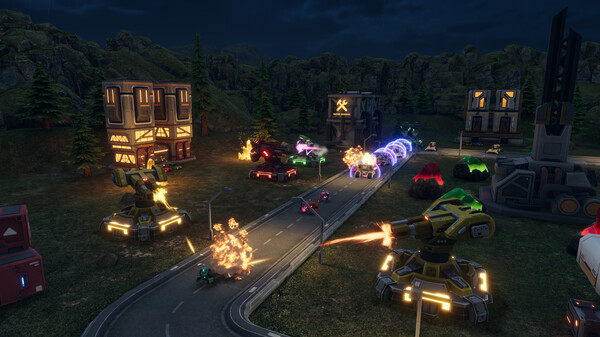
Visually, the game uses a stylized sci-fi aesthetic that balances clarity with spectacle. The environments aren’t the most detailed compared to other VR titles, but they serve the gameplay well by keeping the battlefield readable when the action gets hectic. The enemy designs are distinct enough to spot threats at a glance, while turrets and special effects provide satisfying feedback. Audio plays a big role in immersion too: from the mechanical whir of enemy swarms to the booming resonance of superweapons, the soundscape helps bring the battles to life. The soundtrack adds tension without overpowering the experience, though it isn’t especially memorable outside of play.
Taken as a whole, Iron Guard: Salvation succeeds in bringing tower defense into VR by giving players both strategic depth and direct control. It isn’t without its flaws – some difficulty spikes and grind-heavy stretches hold it back from universal appeal – but for those who enjoy the genre, it’s a refreshing twist that takes advantage of the Meta Quest’s immersive strengths. Whether you’re a long-time fan of tower defense or just curious to see how the format translates into virtual reality, this is one of the more ambitious and satisfying attempts to date.
Score: 8.0/10
 Press Play Media