
Time for another look at a few experiences that first made their mark elsewhere. From the maze-running terror of Labyrinthine to the icy political struggles of Frostpunk 2, this roundup takes a closer look at how these titles translate to new platforms. Alongside them, you’ll also find the quirky arcade challenge of King of Ping Pong: MEGAMIX and the retro-styled oddity of The Edge of Allegoria on Switch. Each one arrives with its own set of strengths and compromises, whether that’s missing features, controller adaptations, or a sharper focus on niche appeal – but all of them bring something distinct to the table for console audiences.
Labyrinthine review (PS5)
On PC, Labyrinthine has built a reputation as a cult co-op horror gem, blending atmospheric mazes, creepy monsters, and teamwork-driven gameplay. Now arriving on PlayStation 5, the game retains its core mix of story-based scares and endlessly replayable procedural “case files,” but the console version comes with one notable caveat: VR support is (currently) absent here, stripping away an extra layer of immersion that helped the original stand out even more. Even so, the PS5 release has enough substance to appeal to fans of multiplayer-centric horror, especially if you’re looking for something that balances jump scares with methodical puzzle-solving.
The premise is simple but effective – explore a sprawling hedge maze tied to a sinister fairground worker named Joan, or take on the randomized mazes of the case file mode. Both modes lean heavily on co-op, and the game shines when played with others. Communication is vital, whether you’re piecing together puzzle solutions or trying to avoid being picked off by one of the many monsters lurking within. The AI-driven creatures are varied in design and behavior, forcing players to adapt strategies as they go. At its best, Labyrinthine captures that thrill of shared panic as one wrong turn can scatter your group into chaos.
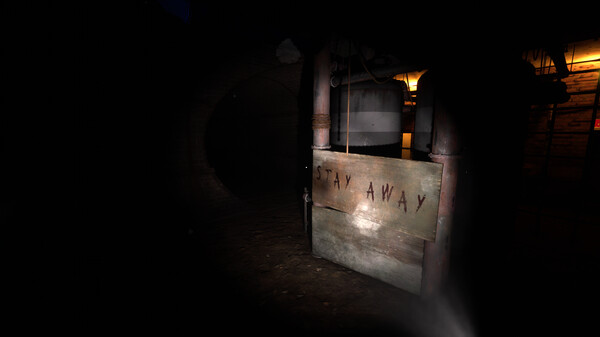
That said, the reliance on multiplayer can make solo play feel less compelling. While technically possible, exploring the maze alone reduces the sense of tension and teamwork that the game thrives on. On console, matchmaking will be key to keeping the experience alive, though the procedural case files at least offer replayability with new layouts, monsters, and progression systems to chase.
Visually, the PlayStation 5 version maintains the eerie, claustrophobic atmosphere of the PC release. The hedge mazes, dimly lit interiors, and supernatural setpieces are effective at building dread, even if the overall presentation can look a little dated at times compared to other horror titles. Audio design, however, remains a strength – unsettling ambient sounds and sudden monster cues help sell the atmosphere, particularly with headphones or a good surround setup.
What makes Labyrinthine stand out is its ability to keep tension high without relying purely on cheap scares. The puzzles provide thoughtful breaks from the cat-and-mouse chase, and the cooperative mechanics make success feel earned. Still, the lack of VR and the sometimes repetitive environments hold this console version back from reaching its full potential. For PS5 players, though, this remains a solid and surprisingly robust horror experience – one that works best when you bring a few friends along for the nightmare.
Frostpunk 2 review (PS5)
Frostpunk 2 arrives on PlayStation 5 following its PC debut, carrying forward the icy survival-strategy formula while expanding the stakes to include human ambition and social conflict. Set thirty years after the Great Storm, the game places players in a metropolis constantly threatened not only by the frost but also by the ideological clashes of its citizens. As we noted in our earlier review of the PC version, this sequel balances survival mechanics with a more complex political narrative, giving players a sharper, more intricate challenge.
The scale has grown considerably since the first game. Players now manage sprawling districts with different purposes, from industrial hubs to research sectors, each with unique risks and opportunities. While city expansion and resource management remain satisfying, the added complexity brings more layers of decision-making and potential headaches, particularly when factions within the Council demand compromise or push opposing agendas.

The narrative focus is one of the game’s strongest and most divisive aspects. It heightens the weight of each choice and gives the city a lived-in, reactive feel, but extended periods of political maneuvering can slow the pace compared to the immediate tension of the original’s survival scenarios. Gameplay on PS5 handles well overall, with radial menus and controller-friendly shortcuts making management of districts and crises mostly smooth, though navigating dense overlays can occasionally feel fiddly.
Visually and audibly, Frostpunk 2 impresses, with sharply rendered icy landscapes and an ambient soundtrack that reinforces the sense of desperation and urgency. While the absence of PC-style modding limits some of the platform’s flexibility, the core experience of city-building, survival, and storytelling remains intact. For console players, this is a welcome and well-executed continuation of the series that raises the stakes in meaningful ways, even if it sacrifices some of the original’s immediacy.
King of Ping Pong: MEGAMIX review (PS5)
King of Ping Pong: MEGAMIX arrives on PlayStation 5 as a quirky spin on both arcade sports and fighting games, published by Eastasiasoft and developed by Suspicious Jam. Rather than attempting to recreate the precision of real-world table tennis, it throws players into a boss-rush format where personality-driven opponents stand between you and the coveted title of champion. The premise is light on narrative, but the colorful cast and varied backdrops give each encounter a sense of character that helps offset the lack of a deeper story.
Gameplay revolves around quick reactions more than careful rallies, with each boss designed around distinct patterns and gimmicks – we thought back to the 80s cult classic Shufflepuck Cafe as we were playing. The matches are short, first-to-five affairs that emphasize repetition and a “one more try” pull. Controls are stripped down to simple directional hits, but the rhythm of anticipating attacks, countering them, and occasionally unleashing a special shot gives the game a fighting game flavor. It’s undeniably creative, though the unrelenting difficulty – especially later bosses – means some players may find themselves more frustrated than exhilarated.

Visually, King of Ping Pong: MEGAMIX leans into a retro-inspired arcade look, combining bright environments with playful character designs that keep the mood light despite the punishing gameplay. The presentation is supported by a lively soundtrack and sharp sound effects, which together reinforce the fast-paced action. The game isn’t flashy in a technical sense, but its aesthetic coherence helps it stand out from more straightforward indie sports titles.
As a budget title, the game delivers a compact but memorable experience. It won’t satisfy those looking for an authentic sports sim, but for players willing to embrace its arcade challenge and reaction-based design, there’s a lot of charm and creativity here. The punishing difficulty curve and lack of adjustable settings will put it out of reach for some, yet for others that challenge will be exactly the appeal. It’s a niche title, but one that successfully mixes sports, arcade, and fighting game sensibilities into something distinctive.
The Edge of Allegoria review (Switch)
The Edge of Allegoria feels like someone took the classic Game Boy & Pokémon formula, added adult-humor, crude jokes, and a fishing pole that doubles as a weapon, and called it an RPG. On Switch, the pixel art still delivers that retro charm: simple sprites, green-toned palettes, chunky text and UI that nod back to the handheld RPG heyday. The game doesn’t hide its intent – it leans hard into coarse humor, over-the-top enemies, and sassy NPCs, which gives it personality even when some of the jokes feel like they’ve been beaten to death already.
Combat is turn-based and familiar, but with a few twists. You don’t collect monster partners; instead, you equip weapons and armor, master them via use, unlock special attacks, status ailments like Poison, Burn, Madness, etc., and swap gear strategically. While battles against smaller foes can feel repetitive – and sometimes devolve into “spam the strongest move” territory – boss fights demand more planning. The mastery system helps encourage experimenting, and there’s real satisfaction when you unlock a skill or combo that clicks.
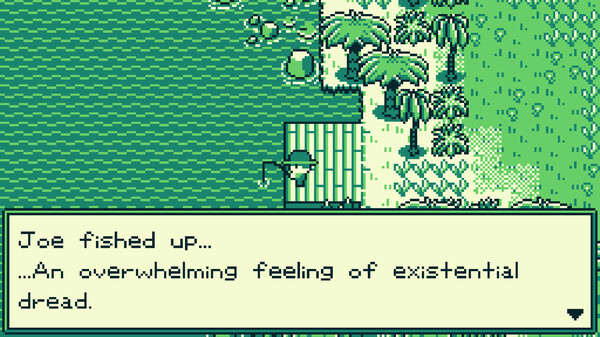
However, the interface and map design are where Allegoria sometimes trips over itself. The world is large, full of routes, towns, hidden paths – but navigating it can be confusing. Waypointing is weak, menus get cluttered, and it’s easy to lose track of where to go next without constantly checking your surroundings. Some dungeons exacerbate these issues (e.g. teleportation halls with no map), which breaks immersion and slows progress.
If you go in expecting a pure serious RPG, you’ll likely be thrown off by the sheer absurdity – both in tone and in detail. But if you’re ready for something cheeky, nostalgic, crude, and fun, The Edge of Allegoria mostly delivers. The flaws – repetition, map confusion, sometimes lazy humor – are real, and sometimes due to a ‘retro’ design, but they don’t kill the ride. It’s a niche pick, but one that brings back old memories with some weird new flavor.
 Press Play Media