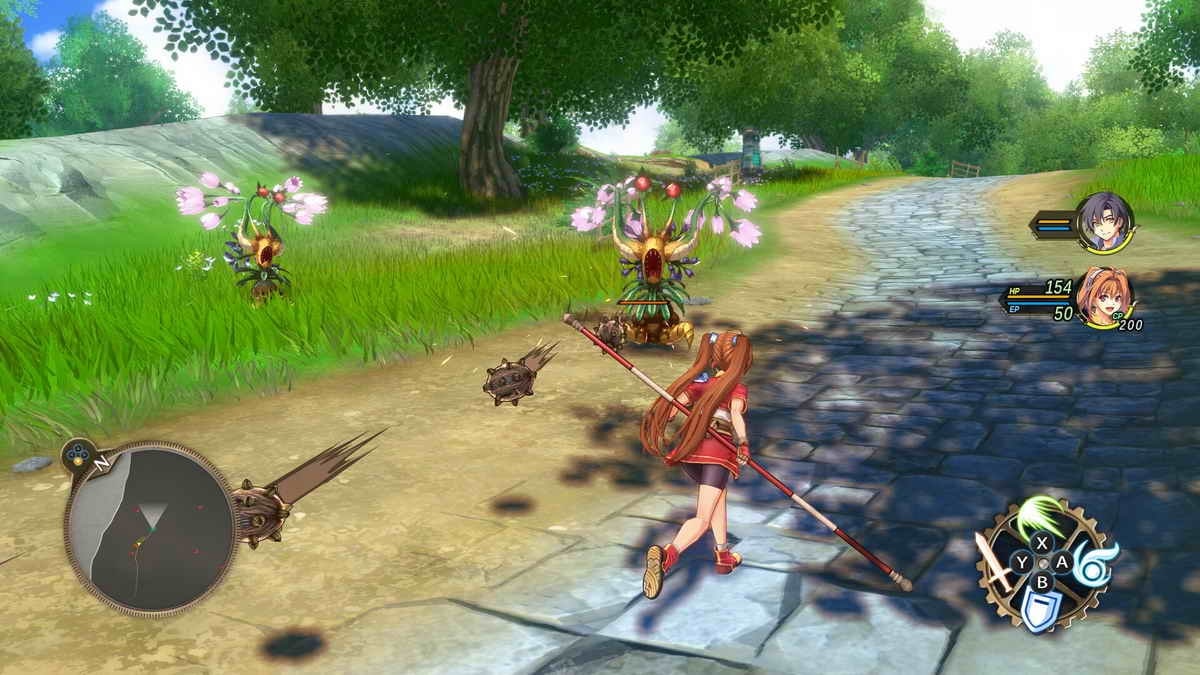
The release of Trails in the Sky 1st Chapter on PlayStation 5 marks a significant return for one of Nihon Falcom’s most celebrated RPGs, this time reimagined for a modern audience. Published by GungHo Online Entertainment, the remake serves as both an introduction for newcomers and a nostalgic revival for veterans, blending classic storytelling with updated visuals and gameplay refinements. At its heart, this is still the beginning of Estelle Bright and Joshua’s journey across the Liberl Kingdom, but the fresh coat of paint and new mechanics aim to make that story resonate in 2025 as strongly as it did two decades ago.
The narrative remains one of the game’s strongest points, with Estelle’s energetic personality and Joshua’s reserved nature creating a dynamic duo whose growth drives the adventure forward. The PS5 remake adds full English and Japanese voice acting, which brings new depth to their relationship and makes emotional moments land harder than before. What starts as a relatively lighthearted coming-of-age story gradually builds into a layered conspiracy plot, and while the game still leans heavily on dialogue, the performances make those stretches easier to sit through. Some players may find the slower pacing in the opening hours demanding, but the payoff later in the chapter reinforces why this game became such a beloved cornerstone of the Trails series.

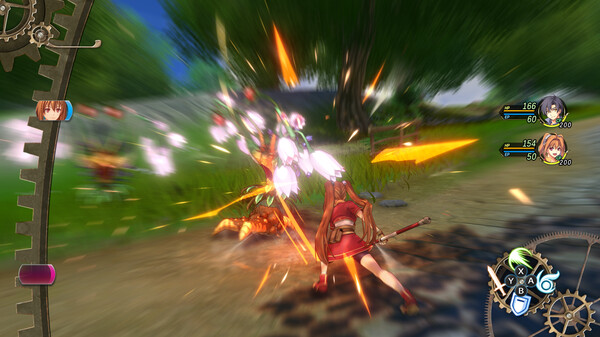
In terms of gameplay, the remake offers a choice between classic turn-based combat and a new action-oriented system. The original’s grid-based tactics remain intact and satisfying, rewarding strategic positioning and clever use of arts and crafts. The new real-time option gives the battles a faster flow, though impressions suggest it isn’t as finely tuned as the turn-based mode, feeling more like a supplemental feature than a full replacement. Still, having the flexibility to play how you like is a welcome addition, even if purists will probably stick with the tried-and-true format. Controls on PS5 feel crisp, with responsive inputs both in exploration and combat, though some menu navigation retains its slightly clunky legacy feel.
The visual upgrade is one of the most immediately striking changes. The hand-drawn style of the original has been carefully modernized into high-definition environments and character models that retain the charm of Falcom’s art direction while finally feeling at home on big screens. Towns and landscapes feel richer and more alive, with lighting effects adding atmosphere to both cozy villages and tense dungeons. Character animations, however, sometimes betray the game’s retro roots, with occasional stiffness that doesn’t quite match the polish of more recent RPGs. The effort to preserve the original’s identity is commendable, but players expecting a full AAA-level graphical overhaul might be slightly underwhelmed.
Sound design remains another highlight thanks to Yuzo Koshiro’s influence and Falcom’s long history of strong music. The new arrangements give iconic tracks a broader dynamic range on modern audio systems, blending orchestral richness with the energy of their original compositions. Sound effects have also been reworked to better suit the upgraded visuals, and the voiceovers add layers of personality to both major and minor characters. While a few lines of English voice work may come across as uneven compared to the Japanese cast, the option to switch freely between the two languages makes it easy to tailor the experience.
All in all, Trails in the Sky 1st Chapter on PS5 successfully bridges the gap between retro RPG tradition and modern expectations. Its narrative depth, voice acting, and refined presentation ensure that the charm of Liberl shines through, even if the combat innovations and some visual elements don’t quite revolutionize the experience. For longtime fans, this is a chance to relive the beginning of a saga with fresh vitality, and for new players, it’s the perfect entry point into one of the most beloved JRPG series of the past twenty years. The journey is as rewarding as ever – just be prepared for its deliberately measured pace and the promise that this is only the first step of a much larger story.
Score: 8.7/10
 Press Play Media