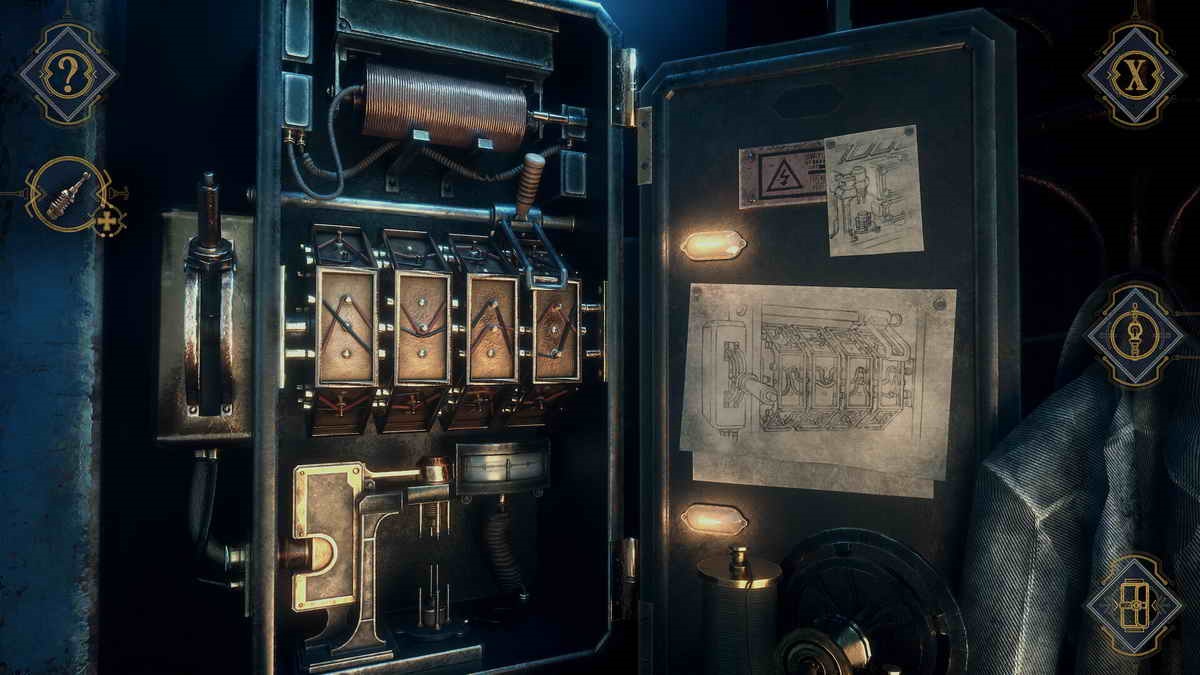
Blue Brain Games made a name for itself with The House of Da Vinci, so expectations were naturally high when The House of Tesla arrived on PC. Much like its predecessor, it leans heavily into puzzle-driven storytelling, this time anchored by the legacy of Nikola Tesla and the haunting ruins of his Wardenclyffe facility. It’s a fascinating setup, one that blends science, myth, and mystery in a way that feels ripe for exploration. The good news is that the premise delivers moments of intrigue, but the execution doesn’t always live up to the promise.
At its best, The House of Tesla excels at atmosphere. The derelict industrial halls and storm-lit laboratories you traverse are richly detailed, balancing historical inspiration with an eerie, almost fantastical edge. You’ll not only explore Tesla’s vision for wireless energy but also see flashbacks that reimagine his breakthroughs and struggles. This narrative framing gives the game weight, though it’s not always consistent – some sequences drag and lack the urgency that could have made the story more compelling. Still, the flashback mechanic offers a fresh spin compared to more traditional puzzle adventures.
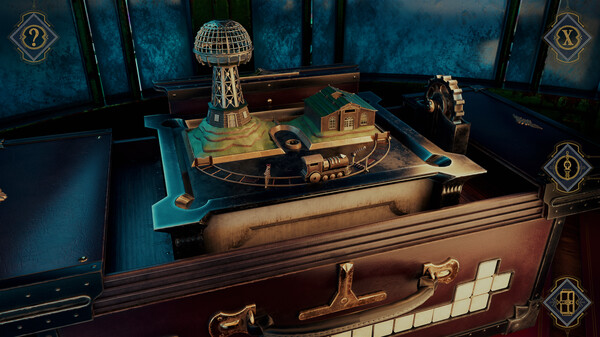
Gameplay will feel familiar to fans of tactile puzzle-box design. You’ll manipulate intricate contraptions, reroute electricity, and experiment with devices that reveal hidden currents. When these puzzles click, there’s a real sense of satisfaction in bending Tesla’s inventions to your will. However, the design is uneven. A handful of puzzles lean too heavily on trial and error, making progress feel more laborious than clever, while others reuse ideas without much escalation. As a result, some players may find the flow disrupted, as the sense of discovery sometimes gives way to frustration.
Controls, for the most part, are functional but occasionally imprecise. The point-and-click structure works fine with mouse and keyboard, yet certain mechanical puzzles demand a level of precision that the interface doesn’t always support. This can turn what should be a thoughtful challenge into a slightly clunky experience. While not game-breaking, it does detract from the otherwise hands-on immersion that puzzle games like this thrive on.
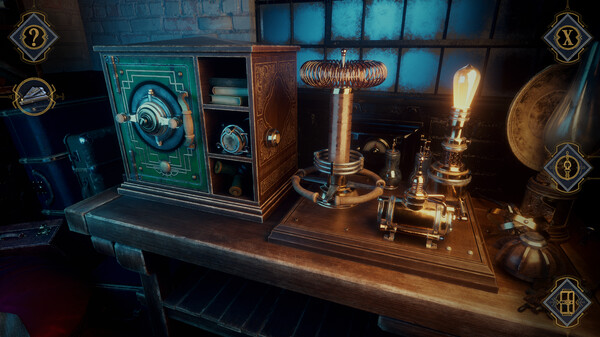
What The House of Tesla consistently nails, though, is its audiovisual presentation. The sound design creates an unsettling, electrically charged atmosphere – ambient hums, the buzz of machinery, and flashes of thunder that punctuate the silence. The score is moody and understated, complementing the world without drawing too much attention. Visually, the game benefits from Blue Brain Games’ eye for detail, capturing the gothic elegance of Tesla’s imagined utopia while bathing it in a sense of decay. It’s not flawless – some textures and animations feel stiff – but the art direction carries enough personality to make up for technical shortcomings.
In the end, The House of Tesla feels like a game with sparks of brilliance that don’t always connect. The setting is evocative, the puzzles can be rewarding, and Tesla’s legacy makes for a strong narrative backbone. But uneven puzzle design, occasional control hiccups, and pacing issues hold it back from greatness. For fans of puzzle adventures, especially those who enjoyed The House of Da Vinci, there’s plenty here to appreciate. Just don’t expect every invention in Tesla’s house of wonders to function flawlessly.
Score: 7.1/10
 Press Play Media