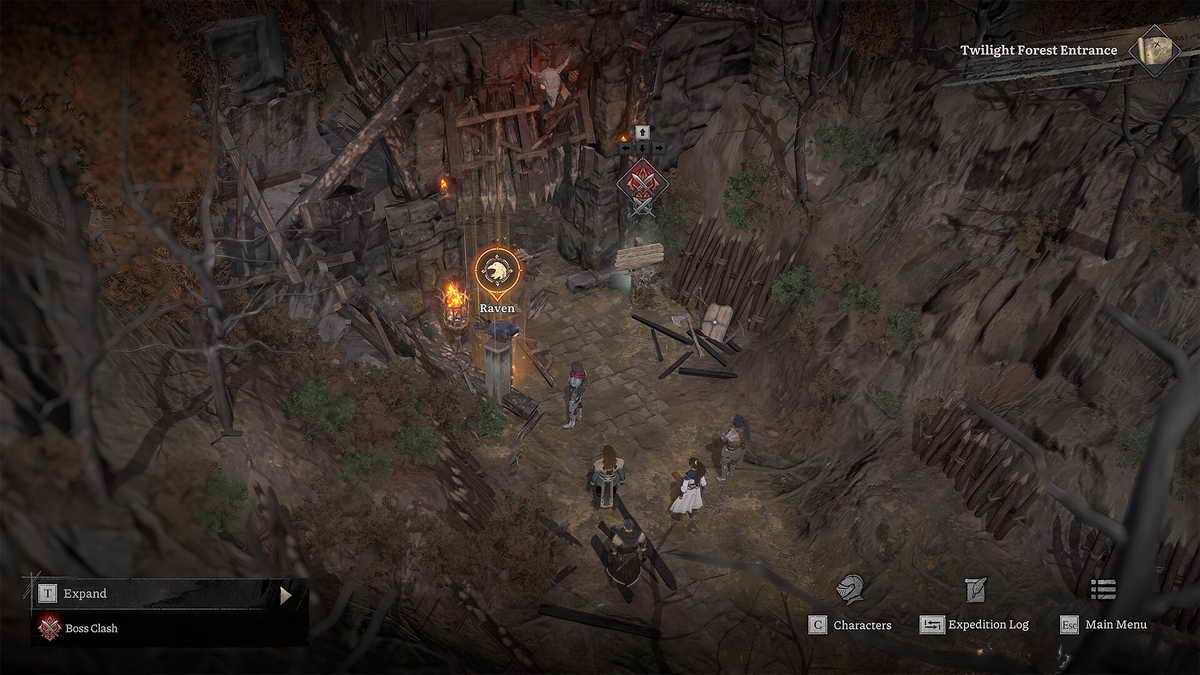
Building on the foundations of Lost Eidolons, Ocean Drive Studio’s Veil of the Witch reshapes that world into a roguelite with turn-based strategy at its core. Published by Kakao Games, this spin-off brings a more condensed, replay-driven take on the tactical RPG formula while retaining the studio’s focus on squad-based combat and character relationships. It’s a daring evolution that trades scale for depth, and despite a few rough edges, it’s one of the more rewarding grid-based RPGs to appear on PlayStation this year.
At its heart lies a story about survival and identity. You play as an amnesiac warrior who makes a pact with the Witch of the Mists to earn another chance at life. The narrative unfolds across a cursed island, gradually revealing fragments of memory as you build your team and descend deeper into the witch’s domain. While the setup may sound familiar, Veil of the Witch uses it effectively to anchor its roguelite loop: every defeat, every new expedition, and every returning conversation builds a stronger sense of continuity. The writing and voice acting elevate this further, giving even secondary characters enough personality to make losses sting when they fall in battle.
Combat remains the game’s backbone, offering grid-based tactical encounters with plenty of mechanical nuance. Like its predecessor, positioning and environmental manipulation matter as much as your weapon loadout. Players can set up elemental synergies – igniting oil-soaked terrain, electrocuting drenched foes, or leveraging terrain height for extra impact. There’s also a clever “Undo” system that lets you rewind up to three actions per fight, reducing frustration without removing tension. The variety of weapon types and skills ensures tactical flexibility, and the AI’s aggressiveness makes each battle a satisfying puzzle to solve rather than a grind.
Where Veil of the Witch differs most from Lost Eidolons is its roguelite structure. Runs are short but packed with meaningful decisions, and the branching map keeps each expedition fresh. Randomized encounters and events introduce an element of unpredictability, forcing you to constantly adapt. Even so, progression between runs feels fair rather than punishing: permanent upgrades at the base camp make each new attempt more manageable, while character promotion trees and relationship systems add a welcome layer of persistence. The sense of long-term growth is what ties the structure together and encourages experimentation across multiple expeditions.
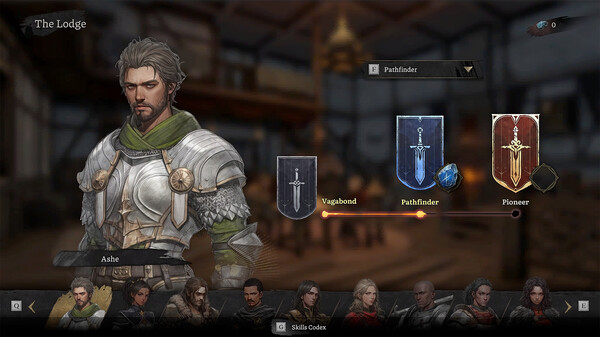
Team composition is equally central to success. With nine heroes to recruit and a five-member limit per run, there’s ample room for build diversity. Each character combines multiple combat roles and has their own dialogue arcs and personality traits, giving the strategic layer a human touch. Customization runs deep, from equipping daemonic weapons to unlocking over 200 skills, but the roguelite resets keep things from becoming overwhelming. This rhythm – gaining power, losing it, and finding new ways to rebuild – gives Veil of the Witch a satisfying learning curve and a reason to replay even after the main campaign wraps up.
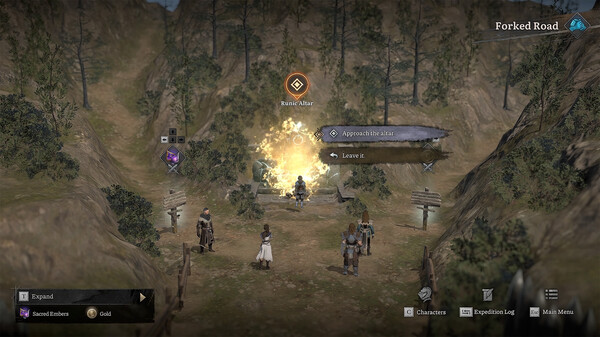
Visually, the game adopts a more stylized look than its predecessor, prioritizing clarity over fidelity. Character portraits are striking, environments are colorful and varied, and the UI feels well-optimized for PlayStation 5. While the presentation lacks the polish of big-budget tactical RPGs, the combat readability and animation work serve gameplay well. On the audio front, the voice acting stands out, with emotive performances that complement the somber tone of the story. Music and ambient sound design further reinforce the sense of isolation and danger on the island, though the sound mix occasionally falters in more chaotic battles.
If there’s a clear downside, it’s that repetition can creep in after several runs. Enemy compositions eventually become familiar, and environmental effects – though clever – don’t evolve as much as the rest of the mechanics. The load times between runs could be faster and UI responsiveness could be better as well, especially compared to more established roguelite contemporaries. Yet despite these quibbles, the overall balance of challenge, pacing, and progression feels well-judged, and the design encourages “just one more run” far more effectively than most genre hybrids.
In the end, Lost Eidolons: Veil of the Witch succeeds in reshaping the tactical RPG experience for shorter, more experimental play sessions. It’s not as sprawling as the mainline Lost Eidolons game, but it trades breadth for focus and replayability, offering an addictive combat loop bolstered by thoughtful character development and strong atmosphere. Fans of tactical RPGs and roguelites alike will find plenty to love here, especially those who enjoy fine-tuning strategies and watching their squad evolve across countless battles. Veil of the Witch is a confident step forward – refined, rewarding, and rich in tactical nuance.
Score: 7.7/10
 Press Play Media