From the first moments in Etere The Lonesome Guild pitches a quietly earnest tone: you play as Ghost, a spirit without memories whose primary power is to bring people together. The setup is simple but affecting – the spreading mist that warps the world works as a consistent thematic shorthand for isolation, and the game’s desire to explore loneliness through six distinct companions gives it emotional ballast. The writing leans into warmth and empathy rather than melodrama, and those campfire conversations and character beats often land, helping the party feel like an actual group rather than a roster of interchangeable classes.
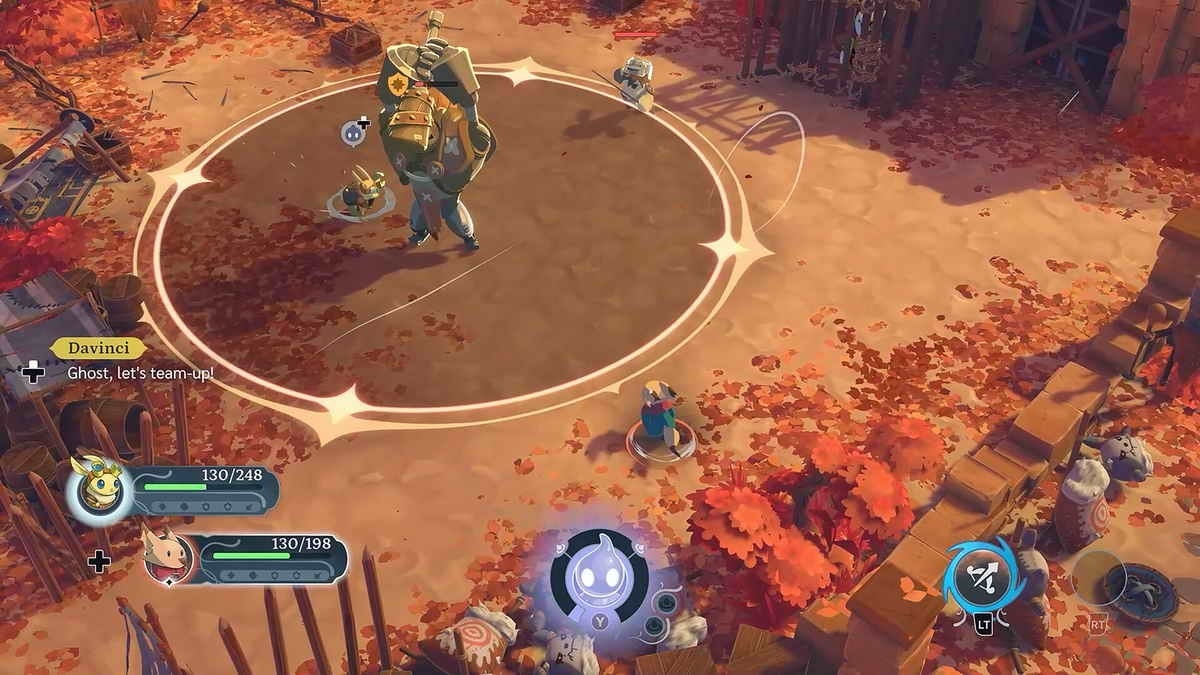
Mechanically, the game builds its central conceit into both exploration and combat. We switch seamlessly between characters, leveraging each member’s kit to solve environmental puzzles and chain attacks in battle; Ghost’s role as a non-corporeal connector is a neat framing device that keeps the party interactions mechanically meaningful. That switching fosters variety and rewards players who learn the troupe’s complementary strengths rather than sticking to a single favourite. Puzzles and hidden collectibles pepper the world in ways that break up combat and reinforce the theme of discovery, and those quieter moments around campfires are where relationship systems genuinely feel earned.

That said, the combat loop isn’t flawless. Battles can suffer from inflated enemy durability early on, which slows pacing and sometimes reduces encounters to repetitive skirmishes until the party’s synergies open up. Controls on console can also feel a touch sluggish when precision is required: dodge windows and the timing of possession swaps don’t always feel razor-sharp, and the fixed camera and lack of an always-available map make certain navigation tasks more tedious than they should be. These are not fatal flaws – they’re tethers that keep an otherwise charming systems package from hitting the highest marks for pacing and mechanical polish.
On the subject of design and presentation, the game is consistently lovely. The art direction favors a storybook warmth – hand-crafted environments, vivid palettes, and character designs that balance sweetness with personality – and those visuals do a lot of the narrative heavy lifting. Sound design and the score are supportive and emotive, creating quiet atmospheres that match the game’s contemplative beats; however, the absence of voice acting for many of the key scenes reduces some emotional impact, leaving dialogue to carry more weight than it sometimes can on its own.
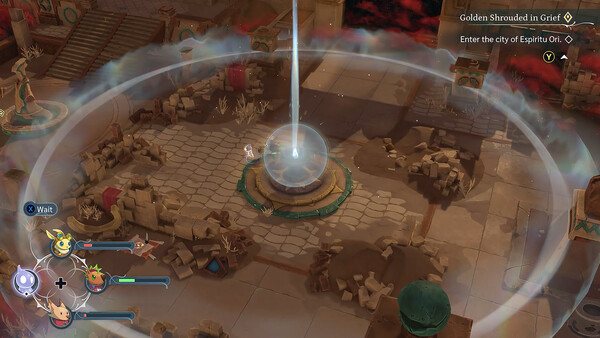
Narratively the game is strongest when it trusts small, human (and animal) moments over sweeping exposition. Each companion’s backstory is a compact study in a different kind of solitude, and the relationship progression – earning new abilities and unlocks through meaningful exchanges – ties story and gameplay hand in glove. That integration is the title’s greatest strength: as bonds deepen, combat and traversal options expand in ways that feel narratively justified. Occasionally the pacing drifts, and there are stretches where objectives are under-signposted, which can sponge momentum from exploration, but the emotional core remains intact and consistent.
Ultimately, The Lonesome Guild is a game that wears its heart on its sleeve and builds design choices around that emotional center. Players who come for character-driven stories, visual charm, and a steady balance of puzzles and ARPG combat will find a satisfying, if imperfect, experience here; players who demand unrelenting combat tightness, ultra-precise responsiveness, or highly elaborate puzzles may feel the game’s ambitions outpaced by its mechanical execution. But for those willing to lean into its message of togetherness and enjoy a thoughtfully crafted world, it offers memorable company around many small, well-written fires.
Score: 7.6/10
 Press Play Media