A steady stream of inventive VR experiences continues to land on Meta Quest, with developers using Early Access and updates to fine-tune ideas that play to the platform’s strengths. Unseen Diplomacy 2 turns your living room into a flexible spy playground, Fruit Golf transforms party chaos into interactive sport, and Waltz of the Wizard keeps evolving into a livelier magical sandbox through its new Skully’s Fantastic Fails update. Each of these releases shows a different facet of what makes VR distinct – physical immersion, asymmetrical play, and hands-on creativity – while also reminding us that the best headset moments come from clever design as much as from technical polish.
Unseen Diplomacy 2 preview (Quest)
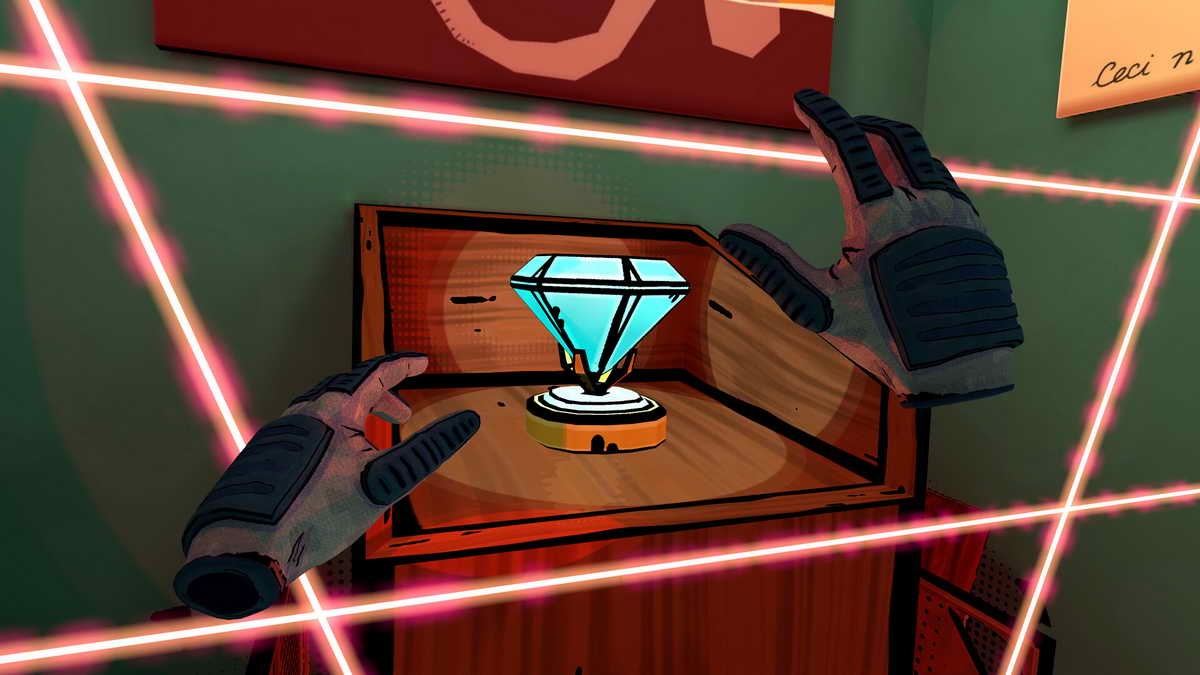
Unseen Diplomacy 2 lands in Early Access on Meta Quest with the same bold premise as its predecessor: turn your living room into a playground for espionage. The comic‑book visuals work well on the Quest’s screen, and the sound design gives each gadget and encounter a satisfying punch, making even small stealth set pieces feel cinematic. The game’s presentation and tone are confident, and its handcrafted missions that adapt to your play space make for memorable, show‑off moments when everything lines up.
The core gameplay is built around physical movement and ingenuity, and when tracking behaves the mixed‑reality trickery is genuinely thrilling – ducking under virtual lasers, crawling around furniture, and swapping tools on the fly all sell the fantasy of being a spy. Gadget variety and loadout choices add meaningful options, and the spatial puzzles tuck neatly into cooperative play, rewarding experimentation and teamwork rather than rote repetition.
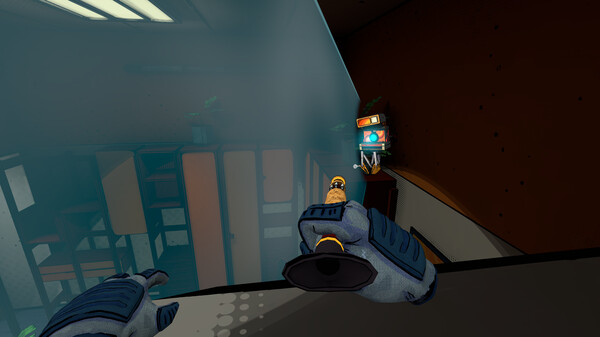
Early Access roughness is impossible to ignore on Quest: calibration and guardian behavior can be unclear, and onboarding doesn’t always make it obvious whether your room settings or ducking preferences have been locked in. Tracking hiccups and boundary problems sometimes break the flow and can turn otherwise tense moments into frustrating mini‑games. These issues don’t kill the fun, but they do highlight areas that need polish before launch.
Even with those rough edges, Unseen Diplomacy 2 shows serious promise and a distinctive design voice; the mix of physical movement, gadget play, and adaptive level design already creates moments that few VR stealth games manage to achieve. If Triangular Pixels smooth out calibration, improve tracking resilience, and rethink the more awkward interactions, this Early Access outing could graduate into one of the Quest’s most inventive spy experiences.
Fruit Golf review (Quest)
Fruit Golf on Meta Quest has landed in Early Access as a gleeful, chaotic party game that turns mini‑golf into a slapstick sandbox. The core idea is irresistible: one player dons the headset and aims shots while friends on phones join free to drop bananas, sharks, and dynamite into the course. That asymmetrical setup makes for high‑energy sessions where laughter and sabotage are the point, and Coal Car Studio leans into accessibility with simple pick‑up‑and‑play controls and a solo practice mode for anyone who wants to sharpen their swing before facing merciless pals.
Mechanically the game sticks to what works for light VR: intuitive motion swings, easily readable fruit physics, and courses that reward timing and playful experimentation rather than laser‑precise technique. Customization and unlocks add little carrot rewards between rounds, and the themed Cups roadmap promises steady new content to keep matches from going stale. When the network and UI cooperate, cross‑platform multiplayer is smooth and the mobile companion app makes it easy for non‑VR players to wreak havoc without steep barriers to entry.

Early Access shows through in a few rough corners that temper the fun. Matchmaking doesn’t always work well, and the novelty of chaos can reveal balance issues where sabotage feels more luck than strategy. Visual clarity and hit registration are generally serviceable but can suffer when many effects and obstacles overlap, occasionally making outcomes feel random rather than earned. These are not showstoppers for short party sessions, but they’re the kinds of fixes that will matter as the player base grows and competitive polish becomes important.
Despite those caveats, Fruit Golf’s joyful premise and easy social loop make it a promising Early Access title for casual VR gatherings. It’s the kind of game you’ll boot up for a handful of rounds with friends, silly cosmetics and ridiculous power‑ups creating memorable moments even when the technical seams peek through. With the planned Cups and ongoing developer support, the base mechanics feel strong enough that ironing out stability and balance would turn this into a reliable go‑to for mixed groups and family game nights on Quest, the silly asymmetrical angle setting it apart from the likes of Walkabout Mini Golf.
Waltz of the Wizard Skully’s Fantastic Fails update launches (Quest)
Skully’s Fantastic Fails lands as a cheeky, free expansion that plays to Waltz of the Wizard’s strongest instinct: it wants you to behave like a gleeful, curious idiot with arcane power. The Courtyard addition and Skully’s expanded reactions give the tower a livelier social center, the mysterious rocket platform supplies a fresh puzzle hook, and the updated Codex and menu redesign finally give the game the organizational spine it has long needed. These changes don’t turn Waltz into a campaign-driven epic, but they do deepen the sandbox in ways that reward exploration and mischief.
Gameplay still hinges on tactile experimentation, and the update leans into that comfortably – mixing spells in the cauldron, hurling fireballs, and using voice powers feel as immediate and delightfully absurd as ever. Skully’s new voicelines and the added Igor and Milton responses amplify the comedy and make interactions feel more reactive, which is the update’s biggest win; the tower finally feels less like a static tech demo and more like a living toy room. That said, the underlying structure hasn’t changed: moments of genuine wonder and the labyrinth mini-quest coexist alongside a fast-melting sense of novelty, so players who want a deeper, objective-driven experience will still find the package limited.

Controls and mechanics remain intuitive for VR newcomers while offering a surprising amount of depth for players who like to push systems, and the Quest release keeps locomotion options flexible enough to suit small spaces or room-scale setups. Voice powers running locally are a smart technical choice that keeps interactions snappy on Quest, and if you have the right setup then co-op’s asymmetric design remains a charming way to share the chaos when someone without a headset can tag along. Friction persists in a few places: the update doesn’t fully solve the original’s hand-holding tendencies or the short runtime, and some of the new courtyard bits feel like tantalizing teasers rather than fully fleshed-out systems.
Visually and sonically the update preserves the title’s warm, handcrafted aesthetic-textures, spell effects and environmental audio continue to sell the world without demanding top-shelf hardware (though there’s a PC version as well), and the Courtyard’s new spaces mostly fit the game’s whimsical tone. Skully’s expanded personality and hundreds of extra reactions are the update’s heart, turning routine interactions into comedic beats that justify revisiting the tower. Skully’s Fantastic Fails doesn’t reinvent the experience, but it smartly extends the best parts of Waltz: more jokes, more toys, and more reasons to come back and badly miscast a spell for the sheer pleasure of it.
 Press Play Media