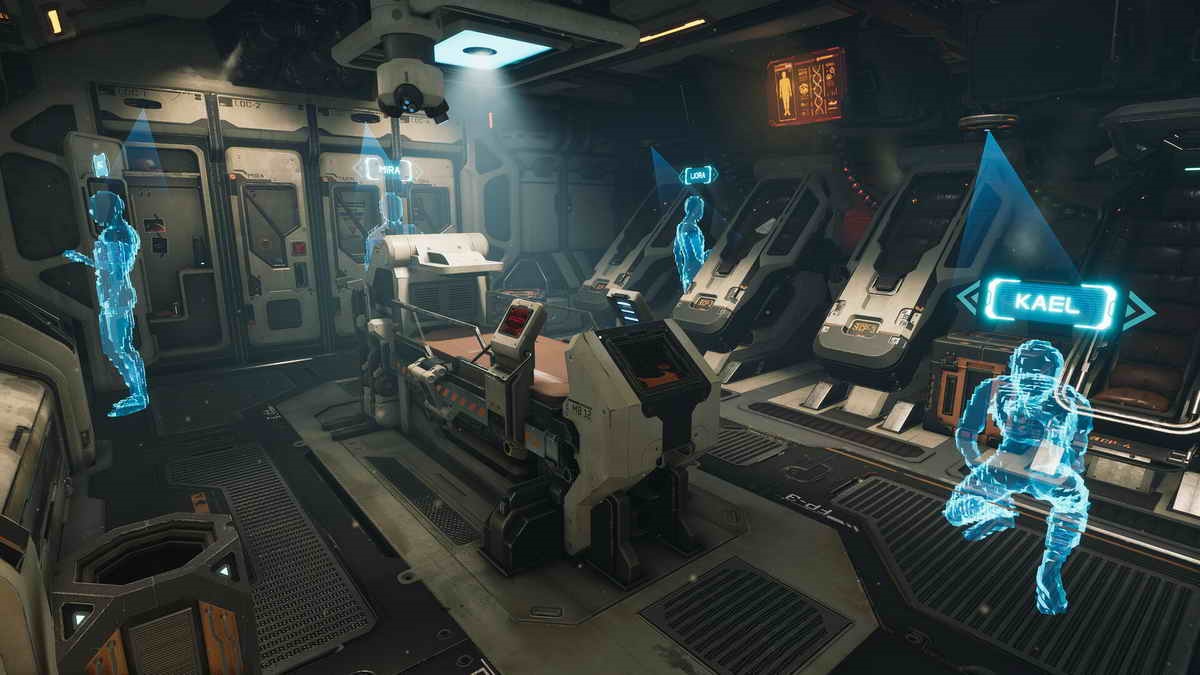
Developed and published by Pine Studio, Escape Simulator 2 builds upon the success of its predecessor with richer environments, more elaborate puzzles, and improved multiplayer functionality. The sequel’s three core room packs – Dracula’s Castle, Starship EOS, and The Cursed Treasure – highlight just how far the design philosophy has evolved. Each setting offers its own mechanical logic and visual tone, from gothic corridors shrouded in candlelight to futuristic metallic decks and tropical islands laced with traps. Beneath the variety lies a structure that feels both familiar and sharper, favouring interconnected clues over simple key-and-lock progressions.
Puzzle design is where the sequel shines most. Objects respond naturally to touch, mechanisms link across multiple steps, and solutions often require true collaboration rather than simultaneous actions. There’s satisfaction in following physical logic – rotating statues, rerouting power, or piecing together coded notes – and this tactile interplay makes every discovery feel earned. While the inclusion of a hint system keeps the experience accessible, its reliability can waver, occasionally leaving players uncertain about how to proceed. Even so, the sense of progression and problem-solving triumph remains strong, rewarding patient exploration rather than brute force.
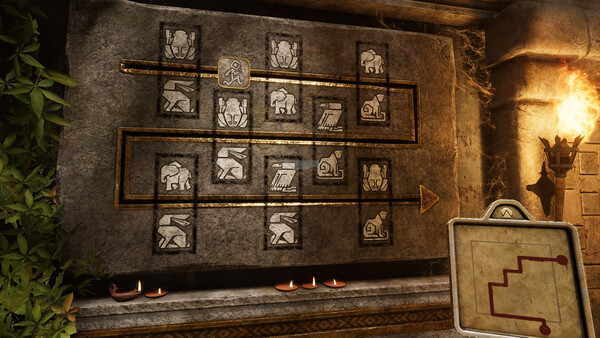
The presentation represents a clear technical upgrade. Lighting, reflections, and material detail bring a grounded atmosphere that distances the sequel from the slightly cartoonish tone of the original. The darker palette enhances immersion, particularly in the castle and starship themes, while the improved physics system allows objects to behave more consistently. At times, minor animation quirks or clipping issues interrupt the illusion, but these moments are infrequent enough not to undermine the overall sense of place.
Sound design supports the tone effectively without drawing overt attention to itself. Environmental cues – dripping water, humming engines, distant creaks – enrich each theme’s ambience. The audio rarely overwhelms, but its subtle use of spatial sound helps highlight interactive elements and aids navigation, contributing to the game’s careful balance between tension and comfort.
Escape Simulator 2 also broadens its social dimension. The online co-op mode accommodates up to eight players, complete with integrated voice and text chat, creating a dynamic that mirrors a real-world escape-room team. Sharing discoveries, comparing theories, and physically passing clues around the environment should make multiplayer sessions lively and memorable. However, we can imagine that smaller groups will find the best rhythm; with too many participants, spaces might feel crowded and puzzle control becomes chaotic. Local co-op is still absent, which limits the potential for couch collaboration.

A major addition lies in the Room Editor 2.0, which empowers players to create elaborate escape scenarios of their own. The toolkit feels both approachable and flexible, with visual fidelity now closer to the official levels and new options like dynamic lighting, multi-floor layouts, and animated sequences. Considering how vibrant the custom-room community became after the first game, this new editor could sustain Escape Simulator 2 well beyond its initial release window.
Performance on PC is generally stable, benefiting from improved rendering and networking. Load times are short, and the interface responds smoothly with mouse and keyboard. Controller input, while supported, feels slightly less precise when handling small objects, an issue that may stand out on Steam Deck or smaller screens. Even so, the game scales well, maintaining consistent visuals and fluid frame rates across setups.
In the end, Escape Simulator 2 achieves what a sequel should: it refines, expands, and deepens the core idea without losing its accessible charm. It may not carry a strong narrative thread, but its focus on tactile problem-solving, thematic variety, and collaborative fun ensures it remains engaging from start to finish. Occasional bugs and limited launch content remind players that expansion will be key, yet what’s already here feels confident and complete. For those who enjoyed the first game or simply appreciate smart, hands-on puzzle design, Pine Studio’s sequel stands as one of the most polished virtual escape-room experiences to date.
Score: 8.0/10
 Press Play Media