We step back into Simon’s world with a clearer sense of why this series still matters: Simon the Sorcerer Origins wears its nostalgia proudly while trying to smooth a few of the rougher edges of 90s point-and-click design for a modern audience. The prequel premise – Simon pulled through a portal by an absurd prophecy and learning basics of spells and alchemy – gives the game a tidy emotional throughline without overcomplicating the joke-heavy tone at its core. That grounding helps the game balance small moments of real feeling with the gag-a-minute voice and sight gags the series is known for, and it’s an approach that will satisfy long-time fans while remaining intelligible to newcomers.
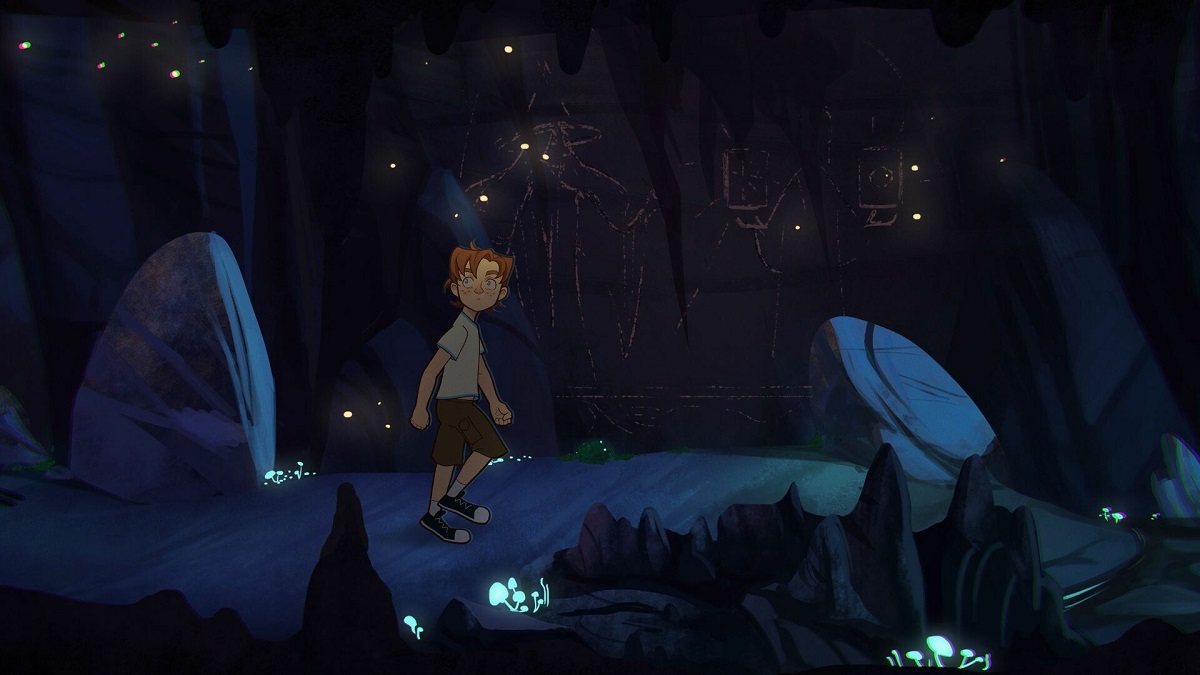
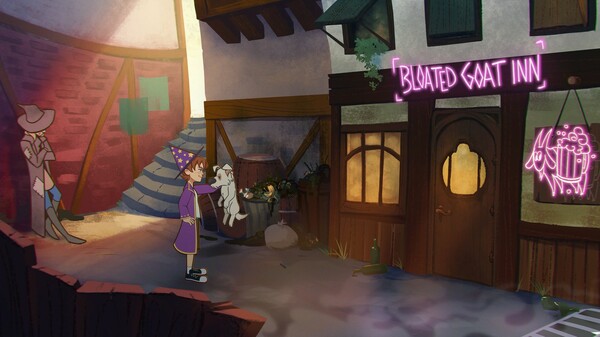
Visually, Origins mostly succeeds: its hand-drawn, watercolor-like backgrounds and character art do a lot of the heavy lifting in selling the fantasy setting and the ‘90s cartoon vibe the team aimed for. The art direction is consistently charming and often delightful to look at, but there are occasions – especially in some close-up dialogue zooms – where the low resolution of certain artwork gets exposed and looks softer than intended; those moments pull us briefly out of the picture-book atmosphere the developers otherwise maintain. Cut-scenes and painted scenes are highlights, though some camera and framing choices can be awkward at times.
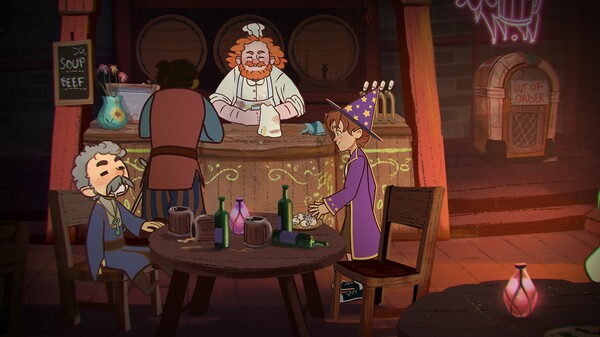
Gameplay and puzzle design lean into classic inventory-combination logic rather than modern hand-holding, which is both the game’s greatest strength and its main frustration depending on the player. When the puzzles click, they reward observation and lateral thinking with satisfying solutions and small moments of absurdity; when they don’t, players can feel pushed toward plodding trial-and-error or obscure item uses that rely on occasionally quirky logic. The lack of intrusive hints will please purists, and the inclusion of quality-of-life accessibility options and a hotspot-highlighting toggle helps temper the difficulty spikes – yet there are times when the flow is impeded by puzzles that ask for leaps the game hasn’t quite telegraphed.
Controls and interfaces strike a pragmatic compromise between classic point-and-click and a more direct gamepad-friendly scheme: players can move a cursor in the “classic” mode or use a direct-control option where hotspots light up as you approach. Both are serviceable, though neither feels perfect on PS5; cursor movement is accurate, but some interactions feel fiddly with a controller and the choice between styles occasionally exposes edge-cases in the UI. The menu systems and the “magic diary”/map tools are useful additions, and quick-travel options reduce downtime – small modern conveniences that keep the pacing from stalling too often.
Audio is a mixed bag in an interesting way: the soundtrack is well-composed – light, whimsical cues and occasional darker tones that support the game’s mood – and the sound effects are playful and well timed. The choice to bring back Chris Barrie as Simon’s voice is a deliberate wink to the past that will please many fans (us included), but it can also be a jarring audio decision in places: Barrie is now 65 and his cadence and timbre can sometimes feel out of sync with the body and age of the younger Simon, which can interrupt immersion for some. Still, the voice work overall is lively and the dubbing across characters is professionally handled.
All told, Simon the Sorcerer Origins is a largely successful return that understands what made the originals charming while trying (mostly successfully) to bring those instincts into present-day playability. It’s strongest when it leans into its writerly absurdities and handcrafted visuals, and it stumbles where old-school puzzle logic clashes with modern expectations of clarity. For fans of the saga and anyone who enjoys a well-made, occasionally churlish adventure with genuine affection for its source material, this is a more than welcome revival – imperfect in places, but heartfelt and a must-play for Simon fans.
Score: 8.0/10
 Press Play Media