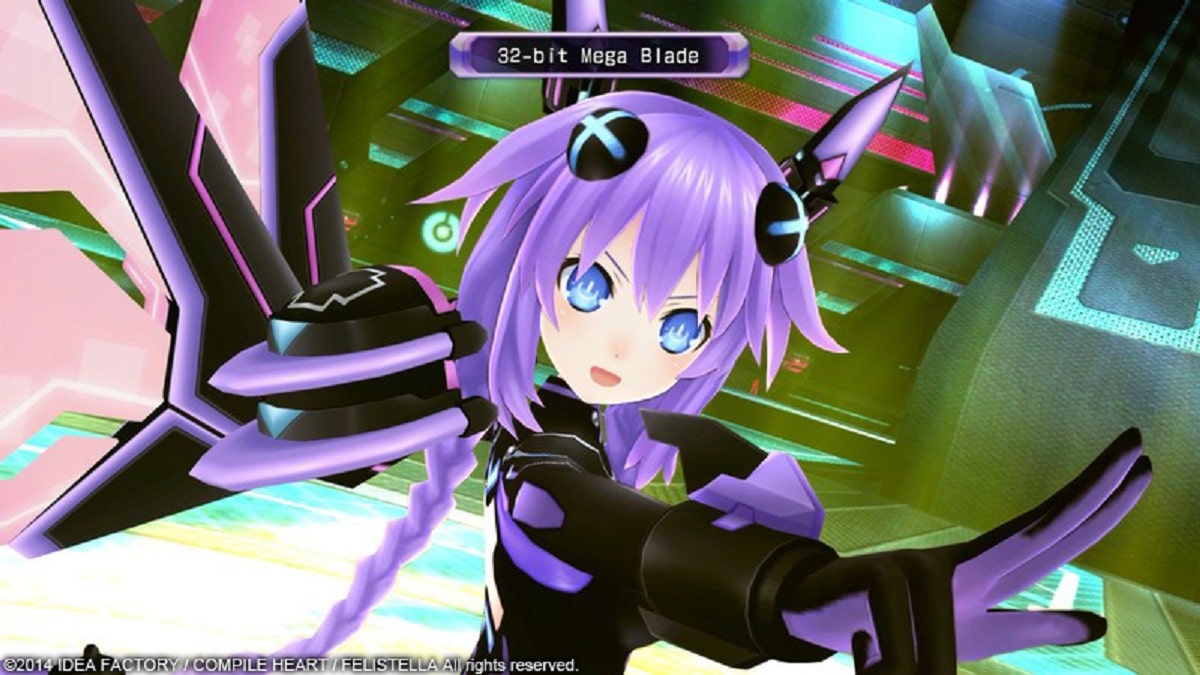
The PlayStation 4 releases of Hyperdimension Neptunia Re;Birth1+, Re;Birth2 – Sisters Generation, and Re;Birth3 – V Generation mark the latest return to Compile Heart and Felistella’s eccentric universe of Gamindustri, now published again by Idea Factory International. Each entry brings its own flavour to the tongue-in-cheek saga of anthropomorphised game consoles waging an eternal “Console War,” blending parody and fan-service with traditional Japanese RPG design. Though these are not part of a collected bundle, their simultaneous arrival on PS4 invites comparison as modern re-imaginings of titles that defined the series over a decade ago.
Re;Birth1+ revisits Neptune’s introduction to Gamindustri, refining the Vita remake of the original PlayStation 3 release. Its story remains a whimsical riff on the medium itself, balancing charm and absurdity as Neptune strives to reclaim her lost position among the CPUs. The “Remake System” lies at the heart of its gameplay, allowing adjustments to difficulty, enemy composition, and loot through craftable “Plans” that encourage experimentation. Turn-based combat retains the Rush/Power/Break balance and positional movement, keeping encounters lively even when environments feel sparse by today’s standards. Despite sharper character models and improved resolution, dungeon structure remains basic, and repetition sets in before the finale. Yet within its modest scope, Re;Birth1+ stands as the most approachable and cohesive of the three releases.

Where the first game felt like a rebooted beginning, Re;Birth2 – Sisters Generation acts as an ambitious but uneven follow-up. The focus shifts to the younger goddess sisters as Gamindustri falls under the control of the Arfoire Syndicate of International Crime. The expanded party system – four active combatants with four support slots – adds tactical depth, and the “Stella’s Dungeon” mini-game provides a light diversion. Visually, however, the improvements plateau. Many environments and assets are reused, making the sequel feel less like an evolution and more like an extension. The narrative’s broader political scope occasionally clashes with the series’ comedic tone, and pacing inconsistencies create abrupt difficulty spikes. Nonetheless, its mechanical stability and familiar structure ensure that fans of the first title can dive in seamlessly.
On the technical front, Re;Birth2 benefits from a slightly smoother interface and refined loading speeds on PS4, giving exploration a modest boost. Its combat animations are punchier and the soundtrack livelier, maintaining the high-energy presentation the series is known for. Yet its tonal juggling act – combining self-aware humour with darker story elements – sometimes undermines emotional engagement. Despite this, the interplay between characters remains enjoyable, particularly for returning fans who appreciate the expanded cast dynamics.
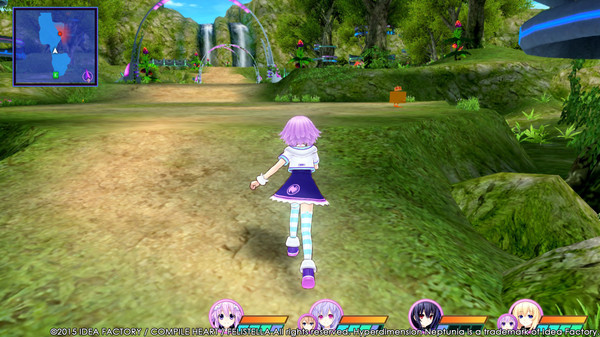
Re;Birth3 – V Generation re-centres the focus on Neptune, flinging her into a dimension inspired by the late 1980s. This nostalgic framing fuels the strongest writing of the trilogy, with sharper comedic timing and improved scene direction. Mechanically, the five-chain combo system and returning Remake System ensure a satisfying rhythm to combat, and the party customisation options are more flexible than before. The visual polish on PS4 helps its exaggerated, anime-infused style shine, though asset repetition persists and exploration design still feels dated. Despite familiar mechanics, the lively cast interactions and refined pacing give this entry a sense of confidence that its predecessors occasionally lacked.
From an audiovisual standpoint, the trilogy maintains consistent quality across its three PS4 versions. Character portraits and UI elements are crisp, transitions between scenes are fluid, and performance remains stable across long play sessions. Each soundtrack carries its own tone: Re;Birth1+ leans into lighthearted motifs, Re;Birth2 opts for heavier electronic beats, and Re;Birth3 blends both styles with standout battle themes. Voice acting, particularly in V Generation, shows clear improvement, with English and Japanese tracks both available. The aesthetic is unabashedly niche but well executed, staying true to the series’ roots without excessive compromise.
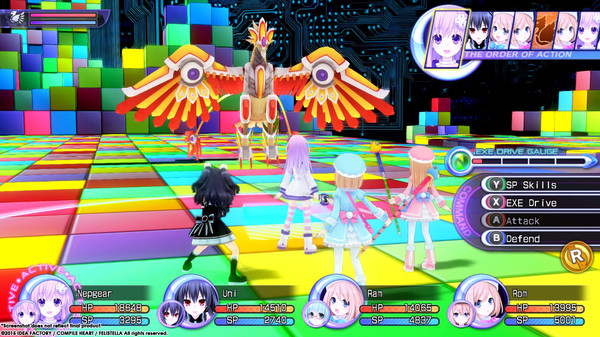
Control responsiveness across all three titles is solid, benefitting from PS4’s smoother frame pacing. Menu navigation remains dense – an enduring hallmark of the series – but combat inputs feel snappy and consistent. Minor quirks such as occasional camera clipping in dungeons persist, yet these never fundamentally disrupt the experience. What ties the trilogy together mechanically is the emphasis on gradual mastery: players who enjoy tinkering with builds and adjusting difficulty will find an immense amount of freedom within the Plan systems.
Taken individually, each Re;Birth entry embodies a different strength. Re;Birth1+ captures the essence of the series and balances nostalgia with accessibility. Re;Birth2 extends the framework but exposes the limits of the formula. Re;Birth3 rounds things off with sharper presentation and stronger character work, though innovation remains incremental. None of these remakes radically reinvent their foundations, but they collectively solidify the franchise’s identity as a self-referential yet mechanically competent JRPG experience.
Viewed together, these PlayStation 4 releases underline what makes Neptunia endure: its willingness to embrace its own eccentricity. For players drawn to lighthearted humour, familiar grind loops, and meta-commentary on gaming culture, the trilogy’s return to modern hardware delivers consistent entertainment. Others may find its repetition and dated design harder to overlook. Still, each title demonstrates a degree of polish and personality that continues to set the series apart from more conventional genre fare. For fans, this is a welcome encore; for newcomers, a curious but worthwhile entry point into the peculiar world of Gamindustri.
 Press Play Media